National Grid trials AI with data centres to stabilise UK energy grid
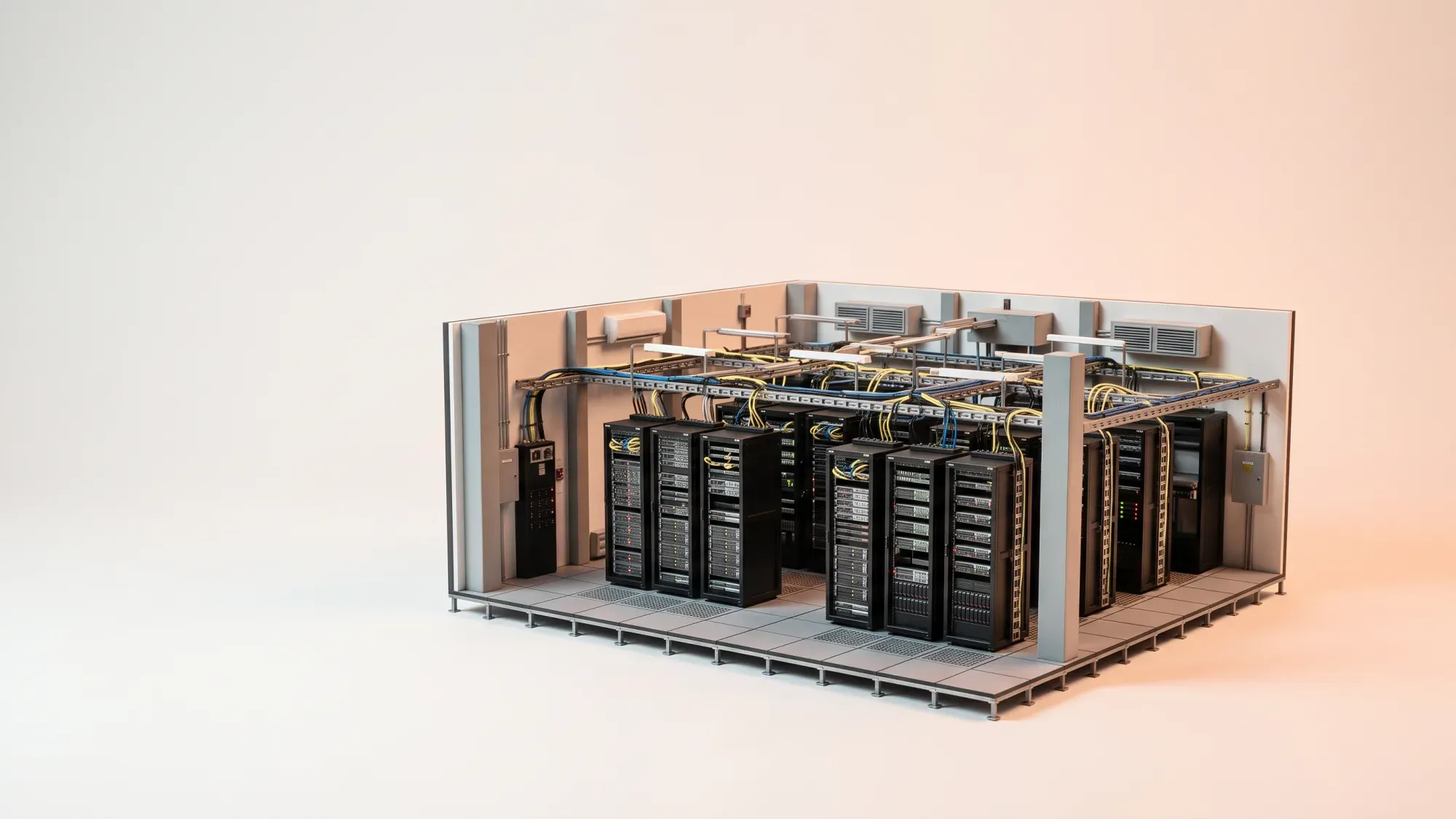
Artificial intelligence (AI) is quickly becoming essential for boosting the stability and resilience of the UK's energy grid, especially as the nation incorporates more renewable energy sources. This technological leap allows for dynamic adjustments to energy demand, transforming how the grid responds to fluctuations and paving the way for a more flexible and secure electricity system. Fuse Energy believes that AI-driven grid stabilisation is a critical enabler for achieving an abundant, reliable energy future, aligning with its mission to deliver the cheapest, cleanest energy possible.
AI is set to revolutionise how we manage energy, ensuring a more stable and efficient grid for everyone. At Fuse Energy, we're committed to making energy abundant and easy to manage for your home. Discover how our approach to modern energy can benefit you. Click here to switch to Fuse Energy today.
Enter your address to get a quote and see how much you could save
The challenge of UK energy grid stability
The UK's energy grid faces increasing complexity, driven by the shift towards decentralised generation and the integration of variable renewable energy sources. Maintaining a stable and reliable electricity supply is paramount, but this task is becoming more demanding.
Balancing supply and demand in a dynamic system
Traditionally, grid operators have managed stability by adjusting power generation to match demand. However, with modern energy systems, demand can fluctuate rapidly, influenced by everything from weather patterns to daily routines. This dynamic environment requires sophisticated tools to predict and respond to imbalances, ensuring that supply consistently meets demand without overloading the network or causing blackouts.
Integrating intermittent renewable energy sources
The UK's commitment to net-zero emissions means a growing reliance on renewable sources like wind and solar power. While essential for a sustainable future, these sources are inherently intermittent; their output depends on weather conditions, making them less predictable than traditional fossil fuel plants. Integrating large volumes of variable renewables demands greater flexibility from the grid to manage sudden drops or surges in generation. Without advanced management, this intermittency can lead to grid instability and potential curtailment of clean energy.
The critical role of frequency regulation
Grid frequency, typically 50 Hz in the UK, is a key indicator of system balance. Any deviation from this frequency signals an imbalance between electricity generation and consumption. If frequency strays too far, it can damage equipment and lead to widespread power outages. Effective frequency regulation is therefore vital for grid health, requiring constant monitoring and rapid corrective actions to maintain stability.
How artificial intelligence enhances grid responsiveness
AI offers powerful capabilities to address these challenges, moving beyond traditional, slower response mechanisms to enable a more proactive and agile energy grid.
Predictive analytics for energy forecasting
AI algorithms can analyse vast datasets, including historical consumption patterns, weather forecasts, and real-time grid conditions, to predict energy demand and supply fluctuations with unprecedented accuracy. This predictive power allows grid operators to anticipate potential imbalances hours or even days in advance, enabling proactive adjustments to generation or demand-side resources. Better forecasting reduces the need for costly emergency interventions and optimises the use of available energy.
Real-time decision-making and automated control
Beyond prediction, AI facilitates real-time decision-making and automated control across the grid. Machine learning models can process live data streams from thousands of sensors, identifying anomalies and recommending optimal responses within milliseconds. This capability is crucial for frequency regulation, where rapid adjustments are needed to counteract sudden changes in supply or demand. Automated systems can then execute these decisions, adjusting power flows or activating demand response programmes without human intervention, significantly improving grid responsiveness.
Optimising energy flow and infrastructure
AI can also optimise the physical flow of energy through the network. By continuously analysing grid topology, load patterns, and equipment status, AI can identify the most efficient routes for electricity, minimise transmission losses, and predict potential equipment failures. This optimisation extends the lifespan of infrastructure, reduces operational costs, and enhances the overall efficiency and reliability of the electricity network.
Data centres as dynamic grid assets
Large energy consumers, particularly data centres, are emerging as crucial players in demand-side response, using AI to dynamically adjust their energy consumption and support grid stability.
National Grid's AI trial with Cressall technology
The UK's National Grid has actively trialled AI technology to demonstrate how data centres can dynamically adjust demand in response to system conditions, thereby improving grid responsiveness. "National Grid have trialled AI technology that shows how data centres can dynamically adjust demand in response to system conditions and improve grid responsiveness"1. A system developed by power resistor manufacturer Cressall proved highly effective in these trials. It "reduced grid demand by 40% across 200 simulated grid events over five days". Furthermore, in stress scenarios, the system "cut the load by around 30% within 30 seconds". This trial highlights the significant potential for large industrial consumers to become active participants in grid balancing.
Google's approach to demand response capabilities
Google has also demonstrated similar demand response capabilities by shifting its AI and batch workloads. By intelligently rescheduling non-critical computing tasks, Google's data centres can temporarily reduce their electricity consumption when the grid is under strain. This flexibility allows them to respond to grid signals, helping to stabilise frequency and manage imbalances without disrupting essential services.
What is demand-side response?
Demand-side response (DSR) allows electricity consumers to adjust their energy usage in response to signals from the grid. Instead of relying solely on power generators to balance the system, DSR enables large users, like data centres, to temporarily reduce or shift their demand, helping to stabilise the grid, especially during periods of high demand or low supply.
Shifting data centre demand for grid flexibility
The ability of data centres to shift or curtail their energy demand provides a valuable source of flexibility for the grid. Their substantial and often flexible power requirements mean that even small percentage reductions can free up significant capacity. This dynamic demand adjustment helps manage the intermittency of renewable sources, ensuring that the grid remains stable even when wind or solar generation fluctuates. By acting as "virtual power plants," data centres contribute to a more resilient and responsive energy system.
Benefits of AI for a net-zero energy system
The integration of AI into grid management offers tangible benefits that accelerate the transition to a net-zero energy system in the UK.
Maximising renewable energy integration
AI's ability to predict and manage grid fluctuations allows for a higher penetration of renewable energy sources. By precisely forecasting renewable output and dynamically balancing it with demand, AI minimises the need to curtail clean energy generation due to grid instability. This means more wind and solar power can be effectively used, reducing reliance on fossil fuels and lowering carbon emissions.
Improving electricity network resilience
A grid managed by AI is inherently more resilient. Its capacity for real-time monitoring, predictive maintenance, and automated response means it can better withstand unexpected events, from extreme weather to sudden equipment failures. This enhanced resilience ensures a more reliable power supply for homes, reducing the risk of outages and their associated economic and social costs.
Reducing energy imbalance and waste
By optimising energy flow and enabling precise demand-side management, AI significantly reduces energy imbalances. This leads to less wasted energy, as generation can be more closely matched to actual consumption. Efficient grid operation also means lower operational costs for grid operators, which could contribute to more stable energy prices for consumers.
The future of AI in UK energy infrastructure
The journey towards an AI-optimised energy grid is ongoing, with continuous advancements and evolving market dynamics shaping its future.
Advancements in smart grid technology
The capabilities of AI in grid management are constantly expanding, driven by innovations in machine learning, sensor technology, and communication networks. Future smart grids are expected to feature even more sophisticated AI models capable of managing highly distributed energy resources, including home batteries and electric vehicles, further enhancing grid flexibility and control. These advancements will enable a truly decentralised and intelligent energy ecosystem.
Policy and market dynamics for AI adoption
The widespread adoption of AI in the UK energy sector will depend on supportive policy frameworks and market mechanisms that incentivise its deployment. Regulations need to evolve to recognise and reward the flexibility provided by AI-driven demand response and other smart grid solutions. Clear market signals will encourage investment in AI technologies and foster collaboration between technology providers, grid operators, and large energy consumers.
Towards an abundant and stable energy future
The integration of AI into the UK's energy infrastructure is a crucial step towards achieving a future where energy is abundant and reliable. By enabling the grid to efficiently manage vast amounts of clean, intermittent power and respond dynamically to demand, AI helps to create an energy system that is not only sustainable but also robust enough to support economic growth and societal well-being. This vision aligns with Fuse Energy's commitment to delivering an energy future where power is so abundant it stops being a thing you think about.
Managing your home's energy should be straightforward and stress-free. Fuse Energy offers clear pricing, real-time usage data through our app, and 24/7 human customer support to help you take control of your energy bills. We're building a future where energy is abundant and easy to manage. Click here to switch to Fuse Energy today and join us on our mission to redefine energy.
References
- Energy Live News. How AI can stabilise the energy grid
Disclaimer
For the avoidance of doubt, this article is provided for informational purposes only and is not intended to constitute legal or financial advice. The author and/or Fuse Energy shall not be responsible for any losses arising out of any reliance on the information contained herein.