UK data centre energy demand could surge 40%, Ofgem warns
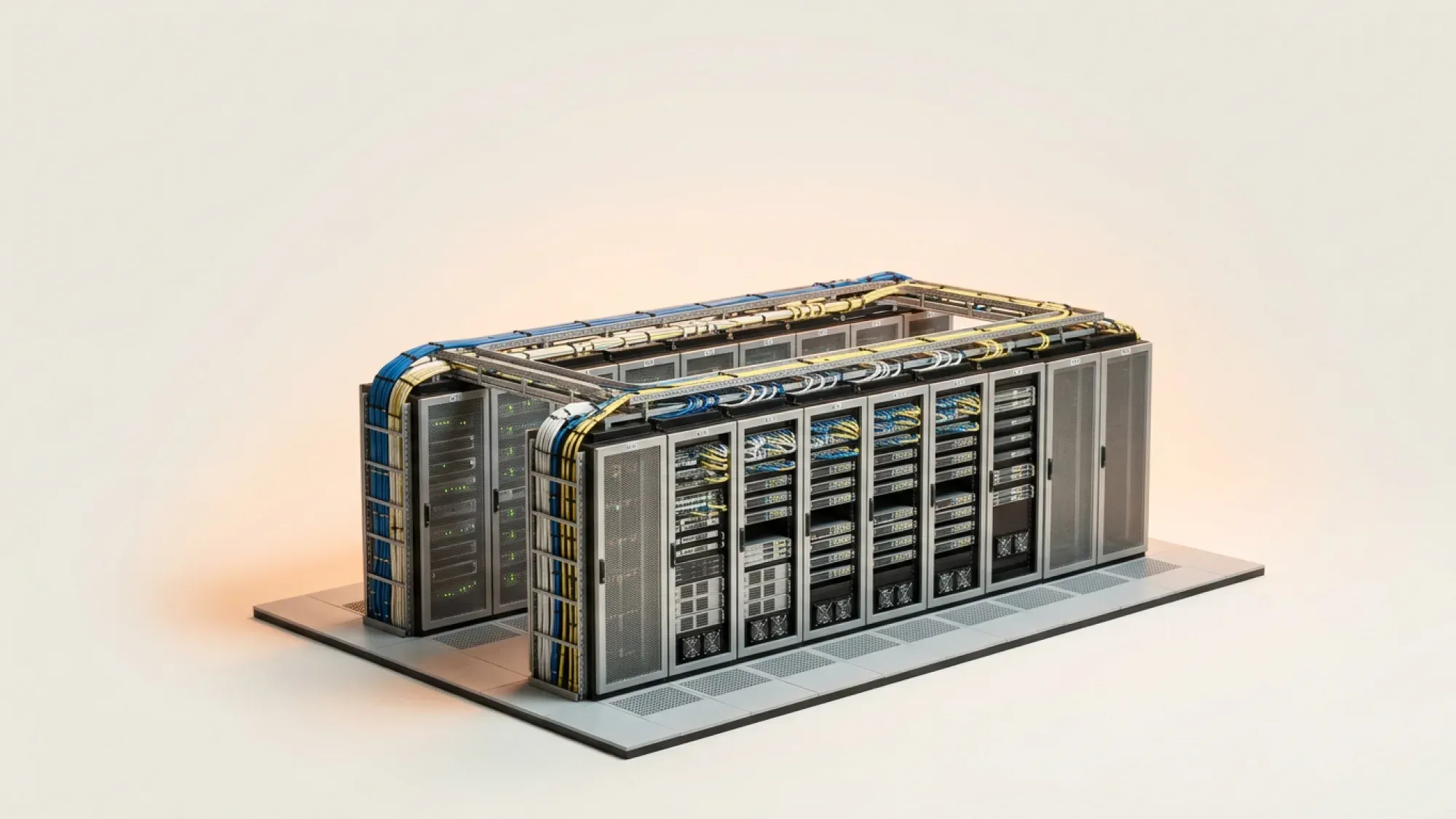
The UK's energy infrastructure faces an unprecedented challenge as the rise of Artificial Intelligence (AI) and Big Data drives a significant surge in electricity demand from data centres. Ofgem, the UK's energy regulator, has revised its forecasts, now admitting the data centre boom could consume 40% more electricity than estimated just months ago, according to Jeremy Cresswell1. This escalating demand threatens to strain the National Grid and complicate the UK's net-zero ambitions.
Understanding the growing energy demands of AI and data centres is crucial for planning a sustainable energy future. Fuse Energy is committed to building a future with abundant, clean energy, ensuring you have the power you need without compromise. Click here to switch to Fuse Energy today and be part of an energy future with power to play with.
Enter your address to get a quote and see how much you could save
The escalating challenge of AI energy demand in the UK
The digital revolution, particularly the rapid advancement of AI, is fundamentally reshaping electricity consumption patterns across the UK. Data centres, the physical backbone of this digital growth, are becoming increasingly power-hungry, creating a critical juncture for energy planners and policymakers.
Current consumption and future projections
Global electricity demand from data centres, including those powering AI, is experiencing rapid growth. Electricity demand from data centres soared by 17% last year, with AI-focused data centres climbing even faster, well outpacing the 3% growth in global electricity demand. The International Energy Agency (IEA) predicts that electricity consumption from data centres is set to double by 2030, while power use from those focused on AI is poised to triple. This trend highlights the immense energy footprint of modern digital infrastructure.
The UK's grid connection bottleneck
The UK is at the forefront of this energy challenge. Around 140 data centres are currently seeking grid connections for a total of 50 gigawatts (GW) of electricity. This figure could potentially rise to 70GW. To put this into perspective, the UK's total installed electricity production capacity is approximately 115GW. Such a substantial demand pipeline places immense pressure on an already complex grid infrastructure, leading to significant bottlenecks in connecting new projects.
Implications for the UK's energy grid and net-zero targets
The rapid expansion of AI and data centres has profound implications for the UK's energy landscape, affecting grid stability, environmental commitments, and broader economic security.
Strain on National Grid infrastructure
The sheer scale of demand from new data centres poses a significant challenge to the National Grid. Connecting 50GW to 70GW of new load requires substantial upgrades and reinforcements to transmission and distribution networks. This strain can lead to delays for other essential energy projects, including renewable generation, and could impact the reliability of electricity supply across the country. Ofgem has launched a review to reform grid connection processes in response to this surge, proposing stricter entry requirements.
Threat to net-zero aspirations
The UK government has a legally binding target to achieve net-zero carbon emissions by 2050. The escalating energy consumption from data centres, if powered by fossil fuels, could severely jeopardise these ambitions. While many data centre operators aim for renewable energy sources, the sheer volume of demand means that securing sufficient clean power quickly enough is a monumental task. This situation necessitates a strategic shift towards accelerating renewable energy deployment to match the pace of digital growth.
Economic and security considerations
Beyond environmental concerns, the energy demands of AI have economic and security implications. Increased demand can drive up wholesale electricity prices, affecting businesses and households. Furthermore, reliance on potentially unstable or carbon-intensive energy sources for critical digital infrastructure could compromise the UK's energy security and its position as a global leader in AI and technology.
Strategic responses to AI's energy footprint
Addressing the energy challenge posed by AI requires a multi-faceted approach, combining robust policy, technological innovation, and significant investment in new generation capacity.
Policy and regulatory imperatives
Policymakers and regulators, including Ofgem, must develop frameworks that support both digital growth and energy sustainability. This includes streamlining grid connection processes, incentivising flexible energy consumption by data centres, and ensuring that new digital infrastructure aligns with national energy strategy. Clear signals are needed to encourage investment in the right places and technologies.
Technological innovations for sustainable AI
While increased generation is crucial, advancements in energy efficiency within data centres and AI systems themselves also play a role. Innovations in cooling technologies, chip design, and software optimisation can reduce the power consumption per AI task. However, these efficiency gains must be viewed as complementary to, rather than a replacement for, the need for greater energy supply.
Investing in generation and storage capacity
The most critical response is a substantial investment in new, clean energy generation and storage capacity. This means accelerating the deployment of renewable energy projects, such as offshore wind farms, and exploring advanced energy technologies. Robust energy storage solutions are also vital to ensure grid stability and provide flexibility as intermittent renewables form a larger part of the energy mix.
Building an abundant energy future for the AI era
The unprecedented energy demand from AI and data centres in the UK presents a critical challenge to grid stability and net-zero ambitions. Fuse Energy views this not as an insurmountable problem, but as a powerful catalyst for innovation in energy generation.
Challenging the scarcity mindset
For too long, the energy narrative has been dominated by a scarcity mindset, focusing on using less. Fuse Energy challenges this by asserting that humanity has the right to use more energy, not less, to prosper and innovate. The escalating AI energy demand underscores the urgent need for abundant, clean energy that Fuse is building towards, reframing the challenge as an opportunity to build a future with power to play with.
Vertical integration and system rebuilding
Fuse's approach involves vertically integrating and rebuilding the energy system from scratch. This system-level transformation is designed to meet large-scale demands like those posed by AI, rather than merely managing existing constraints. By owning the entire energy stack, from generation to supply, Fuse aims to deliver terawatt-hours of the cheapest, cleanest energy possible.
The role of new energy technologies
Fuse's long-term vision includes deploying significant renewable capacity and investing in advanced energy technologies. This strategic direction is designed to provide the fundamental answer to the energy challenges presented by AI and data centres, ensuring a future where energy is so abundant it stops being a limiting factor for technological progress.
Conclusion: powering progress sustainably
The rise of AI presents a significant, yet solvable, energy challenge for the UK. By acknowledging the scale of the demand, implementing strategic policy, fostering technological innovation, and making bold investments in abundant, clean energy generation, the UK can power its digital future sustainably. This approach ensures that the transformative potential of AI can be fully realised without compromising the nation's energy security or net-zero commitments.
Fuse Energy is building towards a future where abundant, clean energy is a given, enabling technological advancement and societal prosperity. We offer clear pricing, real-time usage data, and 24/7 human customer support, making energy management straightforward for your home. Businesses interested in future commercial energy offerings can join our waitlist for updates. Click here to switch to Fuse Energy today. Find out about our mission by clicking here.
References
- Energy Voice. AI, our biggest energy challenge yet
Disclaimer
For the avoidance of doubt, this article is provided for informational purposes only and is not intended to constitute legal or financial advice. The author and/or Fuse Energy shall not be responsible for any losses arising out of any reliance on the information contained herein.