AI data centre grid delays: Nscale's £2bn project hit
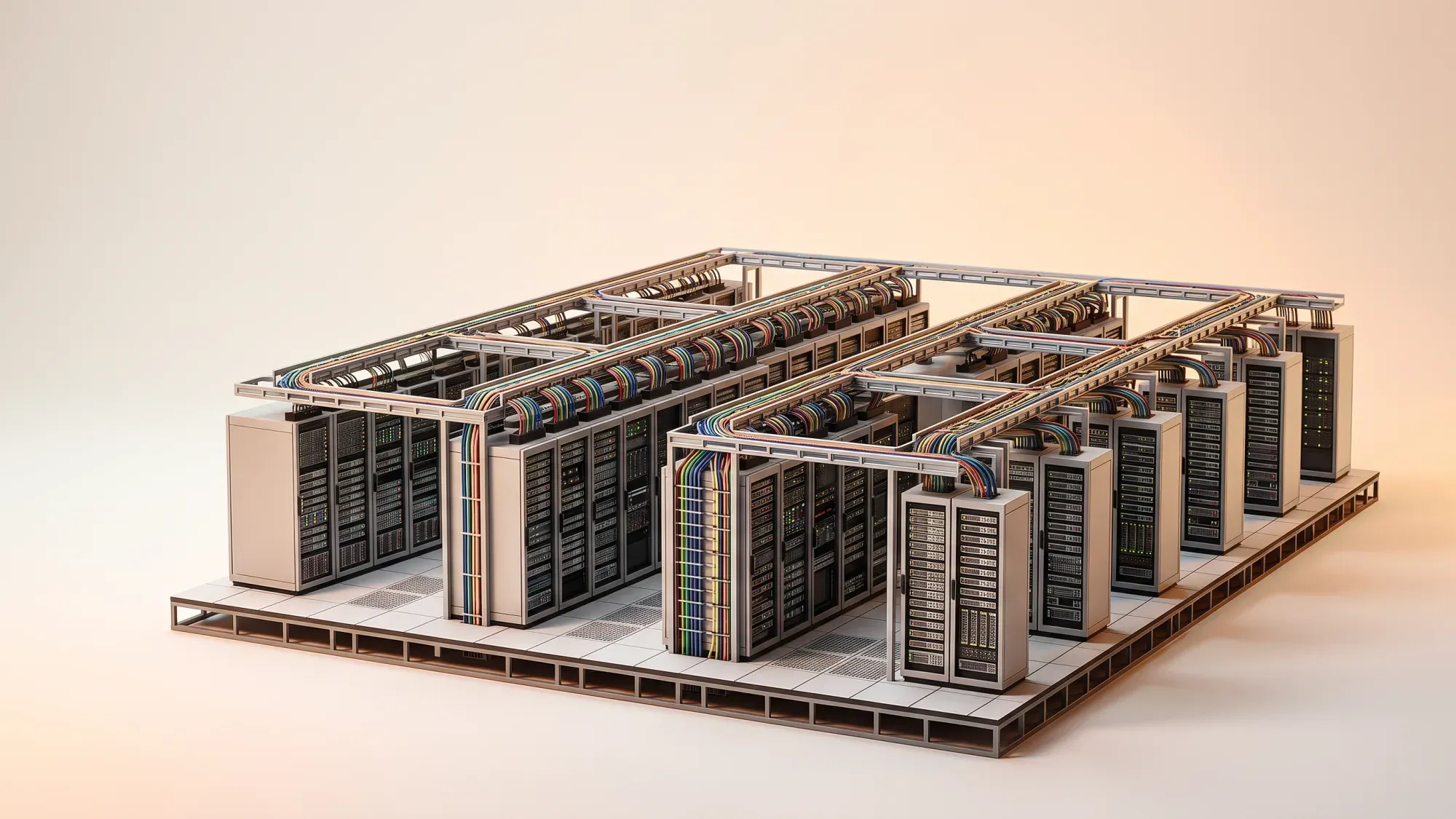
The UK's ambition to become a leader in artificial intelligence (AI) faces a significant challenge: its electricity grid. Major AI data centre projects, crucial for technological advancement, are encountering unexpected and prolonged connection delays, forcing developers to seek alternative power solutions. This issue is clearly illustrated by Nscale's flagship £2bn data centre in Essex, a project now seeking its own energy supplies due to grid connection problems1.
If you're a homeowner looking to manage your energy more effectively amidst these wider grid challenges, Fuse Energy offers transparent pricing and detailed usage data through its app. Click here to switch to Fuse Energy today.
Enter your address to get a quote and see how much you could save
The UK's grid under pressure: AI's growing demand
The energy demands of artificial intelligence are rapidly escalating, placing unprecedented strain on existing infrastructure. Data centres, the physical backbone of the digital economy, require vast amounts of electricity to power their servers and cooling systems. This surge in demand marks a "step-change" for the UK's electricity network.
The energy appetite of AI data centres
AI workloads are inherently power-intensive. Globally, electricity consumption from data centres is projected to more than double by 2030, driven significantly by AI. This rapid growth means that while the technology sector moves quickly, the energy system, with its longer lead times for infrastructure development, struggles to keep pace. The UK's grid, largely built for a different era of energy consumption, faces challenges in upgrading and expanding fast enough to meet this new demand.
Causes of grid delays
Several factors contribute to the significant grid connection delays experienced by AI data centres:
- Outdated infrastructure: Much of the UK's electricity transmission and distribution network was designed for a centralised generation model, not the distributed, high-demand loads of modern data centres. Upgrading this infrastructure is a complex, time-consuming, and costly undertaking.
- Planning and regulatory hurdles: Securing planning permission for new grid connections and associated infrastructure can be protracted, involving multiple stakeholders and environmental assessments.
- Increased demand: The sheer volume of new connection requests, not just from AI data centres but also from renewable energy projects and electric vehicle charging infrastructure, is overwhelming the existing connection process.
- Long lead times: Industry experts warn that some AI infrastructure projects in the UK face grid connection waits of nearly a decade. National Grid acknowledged the situation, with a spokesperson stating, "We're committed to connecting projects to the grid as quickly and efficiently as possible, while maintaining a safe, reliable and resilient network".
Impacts on the UK's AI ambitions
These grid delays have profound implications for the UK's aspirations in the AI sector:
- Project stagnation: Developers like Nscale are forced to delay or rethink projects, potentially leading to a loss of investment and innovation. Nscale's £2bn Loughton project, for instance, secured planning permission and a 90MW grid connection, but the electricity supply is now anticipated later than originally planned.
- Economic disadvantage: If the UK cannot provide reliable and timely grid connections, it risks losing out to other nations that can offer more robust energy infrastructure, impacting its competitiveness in the global AI race. Taco Engelaar, senior vice president at Neara, cautioned, "Britain's dreams of data centre sovereignty will disappear if we don't get a grip on the grid".
- Compromised clean energy goals: The exploration of on-site generation solutions, such as gas-powered systems, to bypass grid delays, complicates the UK's commitment to clean power and decarbonisation. Industry data suggests more than 100 UK projects are now considering gas generation while awaiting permanent grid connections.
Strategic solutions and the path forward
Addressing the AI data centre grid delay challenge requires a multi-pronged approach:
On-site generation and alternative power solutions
Developers are increasingly turning to behind-the-meter solutions, including fuel cells and gas-powered generators, to provide immediate power. While this offers a workaround for individual projects, it raises questions about overall grid resilience and decarbonisation efforts. Research published by Capgemini found that nearly a third of operators have already deployed on-site power generation, with a further 39 per cent planning to do so within the next two years.
Grid modernisation and investment
Significant investment in upgrading and expanding the National Grid is essential. This includes developing smart grid technologies, enhancing transmission capacity, and streamlining the connection process. National Grid is responsible for connecting projects to the grid and maintaining a safe, reliable, and resilient network.
Energy efficiency and optimisation
Implementing advanced cooling systems and optimising AI workloads can reduce the overall energy footprint of data centres, lessening the strain on the grid. Capgemini's research also indicated that 68 per cent of electricity executives expect power shortages as AI-driven data centre demand grows faster than networks can expand.
Collaborative planning for future demand
Better long-term planning and collaboration between energy providers, government, and the data centre industry are crucial to anticipate future demand and proactively develop the necessary infrastructure.
Powering the future: a vision for abundant energy
The UK's journey to becoming an AI superpower hinges on its ability to power this ambition. Overcoming grid delays is not merely an infrastructure challenge but a strategic imperative for economic growth and technological leadership.
Breaking the scarcity mindset
The grid delays faced by AI data centres underscore the urgent need for abundant energy, highlighting the limitations of an energy system built on a "scarcity mindset". Fuse Energy believes in challenging this scarcity narrative, advocating for systemic rebuilding of energy infrastructure to meet growing demands for homes, rather than simply 'using less'.
Rebuilding the energy system for growth
The challenges faced by AI data centres demonstrate the need for a fundamentally rebuilt energy system. Fuse aims to achieve this through vertical integration, ensuring sufficient capacity for homes, aligning with its vision of a future with power to play with.
The role of innovation in overcoming infrastructure challenges
Innovation across the energy sector, from advanced generation technologies to smart grid solutions, is vital. By embracing new approaches and investing in future-proof infrastructure, the UK can transform current bottlenecks into opportunities for sustained growth and technological leadership.
Conclusion: securing the UK's AI future
The grid connection delays impacting projects like Nscale's £2bn data centre in Essex present a clear challenge to the UK's AI ambitions. However, by addressing these infrastructure limitations through strategic investment, innovative solutions, and a commitment to abundant energy, the UK can secure its position as a global leader in AI.
At Fuse Energy, we're building the future of energy for homes, making it simple, transparent, and rewarding. We offer 24/7 human customer support and an app that provides detailed usage data, helping you understand and manage your energy consumption. Switching to Fuse is quick and easy, putting you in control of your energy bills. Click here to switch to Fuse Energy today and join us in building a future with power to play with. You can also learn more about our mission here.
References
Disclaimer
For the avoidance of doubt, this article is provided for informational purposes only and is not intended to constitute legal or financial advice. The author and/or Fuse Energy shall not be responsible for any losses arising out of any reliance on the information contained herein.