Energy Minister: AI data centres must help bring down bills
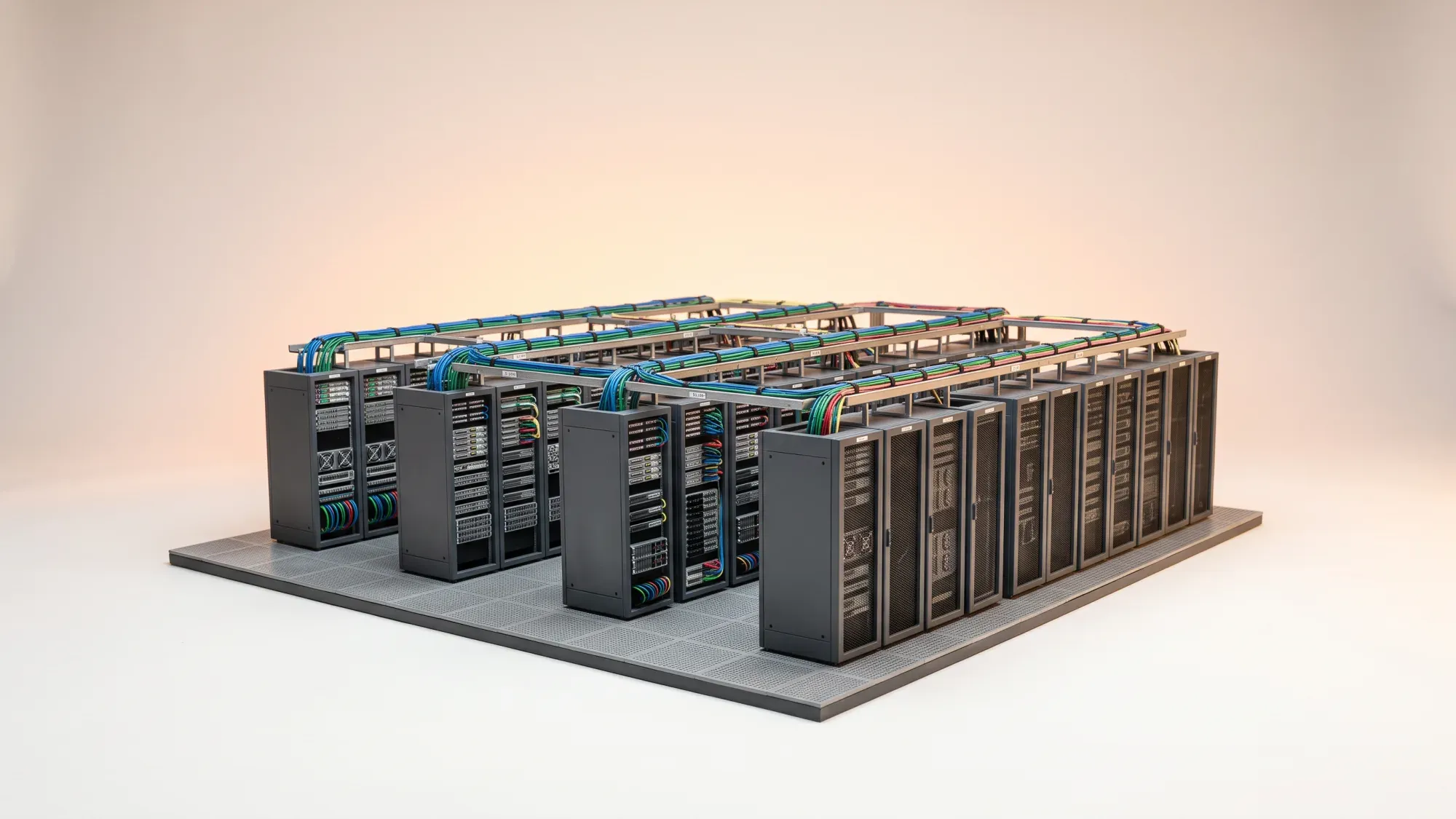
The rapid expansion of artificial intelligence (AI) data centres in the UK is placing significant pressure on the national electricity network. This has prompted warnings from Energy Minister Michael Shanks, who stated that AI infrastructure must help reduce household costs to maintain public support1. These power-hungry facilities are not only challenging grid capacity but also raising concerns about energy bills and the UK's net zero targets.
The energy demands of AI data centres are growing, but with Fuse Energy, you can take control of your home's energy use and contribute to a more stable grid. Click here to switch to Fuse Energy today.
Enter your address to get a quote and see how much you could save
The escalating energy demands of AI data centres
AI infrastructure demands vast amounts of electricity, and its rapid growth is creating unprecedented pressure on Britain's energy system. This surge in demand has far-reaching implications for grid stability, carbon emissions, and public perception.
Strain on the National Grid and electricity network
The increasing energy consumption of data centres is pushing the National Grid to its limits, leading to bottlenecks and significant connection delays for new projects across the UK. Some projects reportedly face delays stretching towards a decade. This strain not only threatens energy security but also slows down the deployment of critical AI infrastructure, hindering the UK's technological ambitions. More than 100 UK developments are reportedly considering on-site gas generation while waiting for permanent access to the network.
Environmental and public perception concerns
Beyond grid capacity, the environmental impact of AI data centres is a growing concern. Government estimates for AI infrastructure's carbon emissions have dramatically increased. Officials now expect AI data centres could produce between 34 million and 123 million tonnes of carbon dioxide over the next decade, depending on efficiency improvements and the speed of power system decarbonisation. The upper estimate would account for around 3.4 per cent of Britain’s projected emissions between 2025 and 2035.
Energy Minister Shanks cautioned that public support for AI infrastructure could diminish if it does not offer clear economic benefits.
"If we're not careful, I think data centres and AI will become a real issue around how they are a drain on resources rather than an opportunity." — Michael Shanks
This sentiment is echoed in public discourse, with warnings of a potential societal backlash if energy consumption continues unchecked. The challenge lies in powering AI's growth without compromising environmental goals or burdening consumers.
Innovative solutions for sustainable AI power
Addressing the energy conundrum requires a multi-faceted approach, integrating advanced technologies and strategic planning to ensure AI data centres contribute positively to the energy landscape.
Strategic placement and renewable integration
One promising approach involves the strategic placement of data centres closer to renewable energy sources. Energy Minister Shanks suggested that locating data centres near renewable generation could "soak up some of that excess energy and actually bring down bills". This method allows data centres to utilise surplus clean energy directly, reducing transmission losses and alleviating pressure on the grid. Justin Tilley, retail channel lead at EcoFlow, highlighted the importance of exploring "the role that solar and battery storage can play in the energy mix" to help consumers manage costs and enhance resilience.
Battery energy storage systems (BESS)
Battery Energy Storage Systems (BESS) are emerging as a critical technology for AI data centres. These systems can store excess renewable energy and discharge it during peak demand, providing grid stability and ensuring a reliable power supply. By integrating BESS, data centres can become more self-sufficient and less reliant on the main grid during periods of high demand.
Energy efficiency and optimisation
Beyond generation and storage, continuous improvements in energy efficiency within data centre operations are paramount. This includes advanced cooling techniques, optimised hardware, and AI-driven energy management systems that dynamically adjust power consumption based on workload. Investing in these areas can significantly reduce the overall energy footprint of AI facilities, making them more sustainable and cost-effective in the long run.
The UK's path to an AI-powered future
The UK government recognises the strategic importance of AI and is actively working to create an environment that supports its growth while addressing energy concerns.
Government initiatives and policy alignment
For AI development to thrive sustainably, energy policy must be closely aligned with digital infrastructure needs. Experts argue that the UK must proactively align its energy policy with its digital infrastructure strategy to ensure a robust and sustainable future for AI. This includes streamlining grid connection processes and incentivising renewable energy integration for large-scale consumers.
Overcoming grid connection delays
The persistent issue of grid connection delays remains a significant hurdle for new data centre developments. While New York has imposed a moratorium on large new data centres due to energy and water concerns, the UK seeks to overcome these challenges through investment in grid upgrades and policy reforms. A proactive approach to infrastructure planning and accelerated deployment of smart grid technologies are essential to ensure that the UK can build the AI future it desires without being constrained by energy limitations. Britain’s electricity consumption is expected to double by 2050 as data centres, electric cars, and heat pumps increase demand, though the pace remains uncertain.
Conclusion
The energy demands of AI data centres present both a challenge and an opportunity for the UK. While the strain on the National Grid and environmental concerns are valid, innovative approaches such as strategic renewable integration, BESS, and enhanced energy efficiency offer a pathway to sustainable AI growth. By embracing these approaches and fostering a proactive policy environment, the UK can ensure its AI infrastructure contributes to a future of energy abundance, rather than scarcity, ultimately benefiting both industry and households.
Managing your energy bills should be clear and easy to understand. Fuse Energy focuses on straightforward pricing, so you can see exactly what you're paying without unnecessary complexity. If you have a smart meter, you can view detailed usage data through the app or website, helping you understand how you can lower your bills. If you don't have a smart meter, Fuse Energy can upgrade your non-smart meter, completely for free. This can make it easier to track spending and make informed decisions about your energy use. Our 24/7 human support team is always on hand with fast response times of under 5 minutes whenever you need help. Click here to switch to Fuse Energy today. Find out about our mission by clicking here.
References
Disclaimer
For the avoidance of doubt, this article is provided for informational purposes only and is not intended to constitute legal or financial advice. The author and/or Fuse Energy shall not be responsible for any losses arising out of any reliance on the information contained herein.