AI data centres to consume energy of 100,000 homes
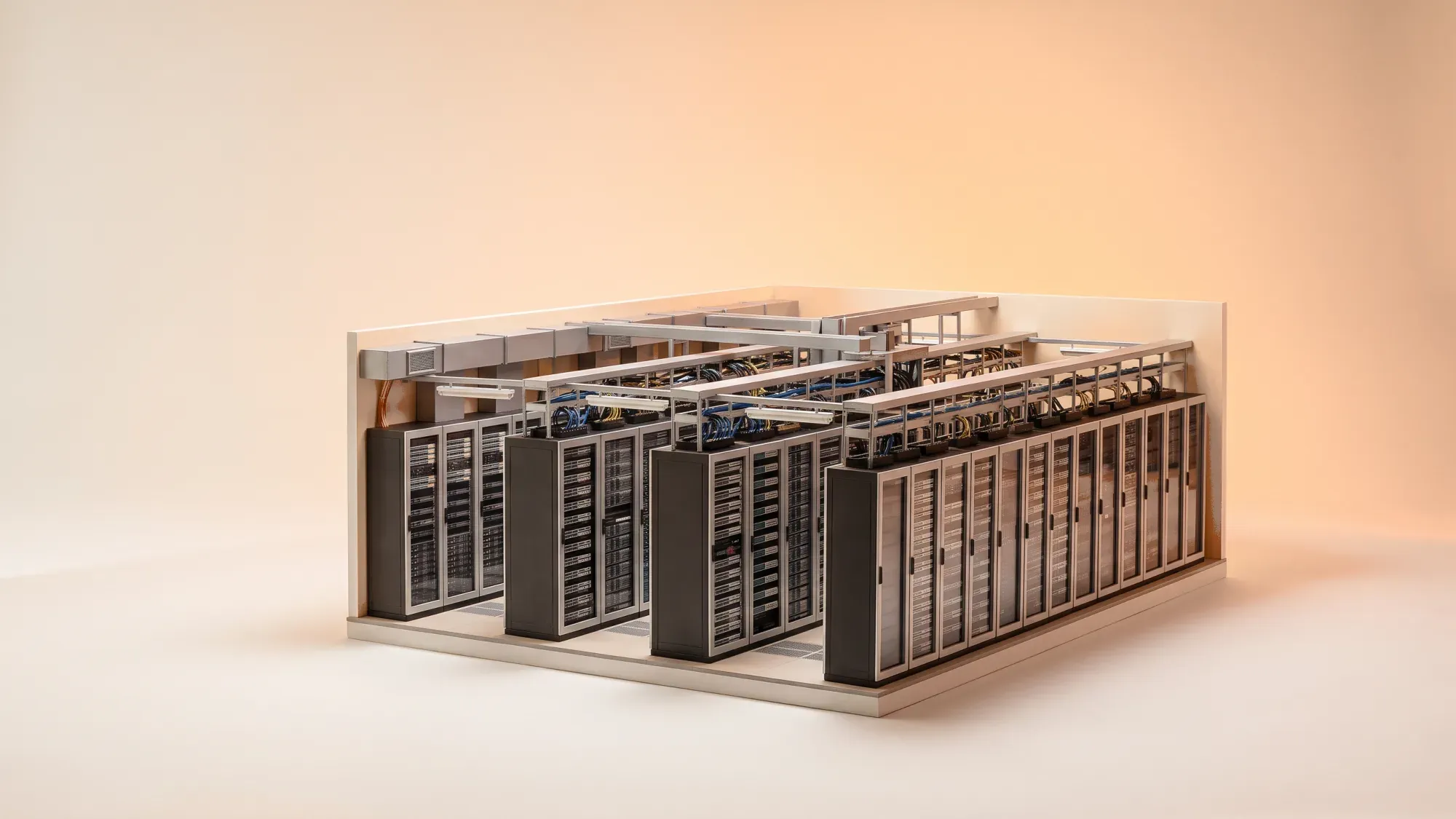
Artificial Intelligence (AI) data centres are set to become significantly more energy intensive, with each facility potentially using up to ten times more energy than conventional data centres do at present. Ireland's utilities regulator warns that these centres are expected to have an "annual electricity consumption comparable to that of around 100,000 homes"1. This escalating demand poses a significant challenge to electricity grids and net-zero ambitions across Europe.
The rising energy demands of AI data centres highlight the importance of efficient energy management. Fuse Energy helps you manage your home's electricity with clear pricing and in-app data, giving you greater control over your consumption. Click here to switch to Fuse Energy today.
Enter your address to get a quote and see how much you could save
The escalating energy demand of AI data centres
The rapid evolution of AI technology, particularly large language models, is driving an unprecedented increase in electricity consumption. The computational power required for AI workloads is transforming data centres into colossal energy users, placing immense pressure on existing grids. This trend is not unique to Ireland but serves as a stark indicator for other nations grappling with similar challenges.
The energy intensity of AI workloads
AI data centres are becoming significantly more energy-intensive. Utilities regulation commissioner Jim Gannon has highlighted that AI-focused facilities can use up to ten times more energy than conventional data centres do at present. This dramatic increase is primarily due to the complex processing and cooling requirements of advanced AI models.
How much energy does an AI data centre use?
A single AI data centre can have an annual electricity consumption comparable to that of around 100,000 homes. This is due to the intensive processing and cooling demands of advanced AI workloads, making these facilities significantly more energy-intensive than traditional data centres.
Projected growth in data centre electricity usage
The impact of this energy intensity is already evident in national electricity usage figures. In Ireland, data centres accounted for approximately 25% of electricity usage last year. Projections indicate that, under a median demand scenario, data centres and other new technology loads could account for approximately 35% of Ireland's electricity requirement by 2035. This substantial growth underscores the urgent need for strategic energy planning and infrastructure development.
Grid capacity and energy security challenges
The rapid expansion of energy-intensive AI data centres presents considerable challenges for existing electricity grids, pushing infrastructure to its limits and raising concerns about energy security.
Pressure on existing infrastructure
The sheer scale of energy demand from AI data centres places immense pressure on National Grid infrastructure. To address this, EirGrid, which manages Ireland's main electricity supply network, and ESB Networks, responsible for local distribution, are undertaking significant investments. A combined €18.9 billion is being invested in grid upgrades over the 2026-2030 period to improve capacity and resilience. Such investments are indicative of the systemic changes required to accommodate the energy needs of the AI era.
Balancing economic opportunity with energy stability
The challenge extends beyond infrastructure to balancing economic growth with energy security and climate objectives. Jim Gannon notes that "many jurisdictions face similar challenges in balancing economic opportunity with energy security, network capacity and climate objectives". Environmental advocates, such as Friends of the Earth Ireland CEO Deirdre Duffy, have described the development of data centres as a "runaway train", calling for a moratorium to allow for the development of new legislative strategies. This highlights the tension between fostering technological advancement and ensuring a stable, sustainable energy future.
Regulatory responses and calls for sustainability
In response to these growing pressures, regulatory bodies are expanding their oversight and implementing new policies to guide the sustainable development of energy-intensive AI infrastructure.
Expanding regulatory remit for AI developers
The Commission for Regulation of Utilities (CRU) in Ireland is expanding its remit to regulate large AI developers. This move signifies a trend towards increased regulatory oversight for energy-intensive AI infrastructure.
Mandates for renewable energy integration
A key regulatory response in Ireland is the mandate for all new data centre facilities to be at least 80% powered through renewable energy. This policy aims to directly link new data centre demand to renewable supply, ensuring that growth in the digital economy aligns with national climate objectives.
"As AI models continue to grow in complexity and scale, the electricity requirements of supporting infrastructure are expected to increase correspondingly." — Jim Gannon, Commissioner for the Regulation of Utilities
Building an energy-abundant future for AI
The energy challenges posed by AI data centres are significant, but they are not insurmountable. They necessitate a shift from incremental efficiency gains to systemic innovation in energy generation and distribution.
Beyond incremental efficiency: systemic solutions
Addressing the exponential energy demand of AI requires more than just optimising existing systems. It calls for a fundamental rethinking of how energy is produced, delivered, and consumed. This involves investing in advanced cooling technologies, hardware efficiency, and, crucially, integrating long-term renewable energy strategies into data centre planning. The goal is to move towards an energy system that can not only meet but anticipate the demands of future AI workloads without compromising grid stability or climate objectives.
The vision for scalable, clean energy
Fuse Energy envisions a future where the immense energy demands of AI data centres can be met without compromise. Our core belief is to never settle for scarcity, but instead to build an energy system where abundance is the norm, supporting both technological advancement and a stable, sustainable future.
The challenges posed by AI's energy demands highlight the need for smarter, more efficient energy solutions for everyone. At Fuse Energy, we believe in making energy simple and transparent for your home. We offer clear pricing, real-time usage data through our app, and 24/7 human customer support to help you understand and manage your energy consumption. Switching to Fuse is quick and easy, putting you in control of your energy bills.
Ready to experience a different approach to home energy? Click here to switch to Fuse Energy today. You can also learn more about our mission to build a future with abundant energy by clicking here.
References
- Business Plus. AI data centres to consume energy of 100,000 homes
Disclaimer
For the avoidance of doubt, this article is provided for informational purposes only and is not intended to constitute legal or financial advice. The author and/or Fuse Energy shall not be responsible for any losses arising out of any reliance on the information contained herein.