AI data centre demand: UK electricity growth quadrupling by 2030
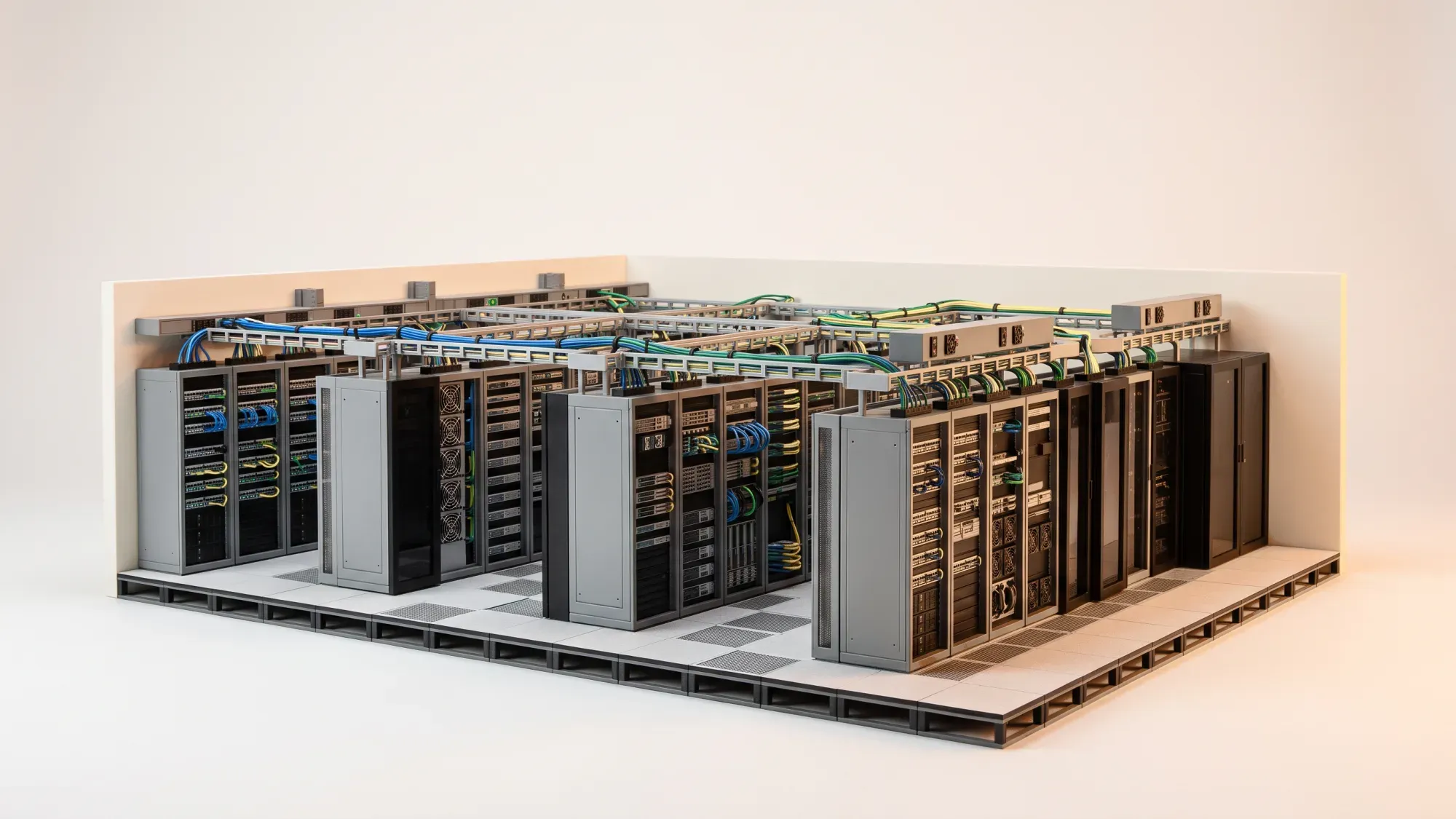
Britain's electricity demand has reached a significant turning point, experiencing "two consecutive years of growth for the first time in over 20 years" after a prolonged period of decline.1 This resurgence is primarily driven by the rapid expansion of Artificial Intelligence (AI) and the power-intensive data centres that support it. The escalating energy requirements of these digital infrastructures, alongside the broader electrification of the economy, are placing unprecedented demands on the National Grid, necessitating a fundamental rethink of energy supply and infrastructure.
The rising electricity demand from AI data centres highlights the need for a modern energy system. Fuse Energy is building that future, offering transparent billing, smart meter insights, and 24/7 human customer support to help you manage your home's energy. Click here to switch to Fuse Energy today.
Enter your address to get a quote and see how much you could save
The UK's shifting electricity landscape
For decades, Britain's electricity demand steadily fell, declining by more than a fifth since its peak in 2005. This trend, often linked to deindustrialisation and outsourcing, has now reversed.
Decades of decline reversed
The past two years mark a significant shift, with demand growing consecutively for the first time in over two decades. This turnaround signals a new era for the UK's energy landscape, driven by powerful technological and societal shifts. It challenges the long-held assumption that UK electricity consumption would continue its downward trajectory.
The drivers of renewed demand
The primary driver behind this escalating demand is the rapid expansion of AI and the power-intensive data centres that underpin it. Beyond AI, other trends contribute to the overall rise. The electrification of transport, for instance, saw a 27% increase in electric vehicle sales, alongside a more modest rise in heat pump installations. These combined forces are placing unprecedented demands on the National Grid, necessitating a fundamental rethink of energy supply and infrastructure.
AI data centres: powering the digital future
AI data centres are at the forefront of this energy transformation, consuming vast amounts of electricity to power complex computations and maintain optimal operating conditions.
Scale of AI data centre energy use
These digital infrastructures are already substantial energy consumers, currently accounting for 2.5% of Britain’s electricity, a figure that surpasses the entire city of Birmingham's demand. Forecasts suggest a dramatic increase, with UK data centre demand forecast to quadruple by 2030. This rapid growth underscores the profound impact AI is having on the nation's energy profile. For context, data centres already consume 5% of national demand in the US, and 20% of Ireland’s electricity.
The technology behind the demand
The intensive energy consumption of AI data centres stems from several factors. Advanced AI models require immense computational power, often relying on thousands of Graphics Processing Units (GPUs) working in parallel. These powerful processors generate significant heat, necessitating sophisticated and energy-intensive cooling systems to prevent overheating and ensure continuous operation. As AI capabilities advance, the computational and cooling demands are only set to increase.
Projected growth and implications
The anticipated quadrupling of UK data centre electricity demand by 2030 presents significant implications for energy planning and infrastructure. Experts suggest this growth will require substantial new generation capacity and upgrades to transmission and distribution networks. Without proactive measures, the strain could lead to increased costs, potential supply constraints, and hinder the UK's progress towards net-zero targets. The Electric Insights report highlights that similar surges in demand have led to American firms scrambling to build polluting diesel and gas generators, and Ireland placing a three-year ban on new data centres to protect consumers. The scale of this projected increase demands a strategic, long-term approach to energy provision.
Grid challenges and policy responses
The surge in electricity demand from AI data centres, coupled with broader electrification, presents considerable challenges for the UK's energy infrastructure.
Strain on National Grid infrastructure
The National Grid must adapt rapidly to accommodate these new, large-scale loads, ensuring stability and reliability across the network. Integrating such substantial and concentrated demand points requires significant investment in grid reinforcement, smart grid technologies, and flexible energy solutions. The existing infrastructure, designed for a different era of energy consumption, faces unprecedented pressure.
Why is AI data centre energy demand a critical UK challenge?
The rapid growth of AI data centres, with their intensive power requirements, is placing unprecedented strain on the UK's National Grid. This escalating demand necessitates urgent investment in robust infrastructure and clean energy sources to ensure stability and meet future digital needs.
Economic and environmental pressures
Beyond the technical challenges, the escalating energy demand from AI data centres introduces economic and environmental pressures. Ensuring a reliable and affordable power supply for these critical infrastructures is vital for the UK's digital economy. Simultaneously, there's a pressing need to power this growth with clean energy sources to meet climate targets and reduce the carbon footprint of the digital sector.
Government initiatives: AI growth zones
To address these challenges, the government has established five AI growth zones. These zones are designed to provide robust grid connections and integrate clean energy sources directly into these high-demand areas. The aim is to ensure that the expansion of AI infrastructure is powered by reliable, low-carbon electricity, mitigating its environmental footprint and supporting grid resilience. These initiatives represent a strategic effort to align technological advancement with sustainable energy policy.
Strategies for sustainable power management
Addressing the escalating energy needs of AI data centres requires a multi-faceted approach focused on sustainable power management, combining efficiency, clean energy integration, and grid flexibility.
Enhancing data centre efficiency
Optimising data centre energy efficiency is a crucial first step. This includes implementing advanced cooling technologies, utilising more energy-efficient hardware, and employing AI-driven software to manage workloads and power consumption dynamically. Continuous innovation in these areas can significantly reduce the overall energy footprint of AI operations.
Integrating clean energy sources
Securing clean and sustainable energy sources is paramount. This involves direct procurement of renewable energy, such as solar and wind power, and exploring on-site generation where feasible. Integrating battery storage solutions can also help manage intermittency and provide grid stability, ensuring a consistent supply of green energy.
Decentralised and flexible grid solutions
The future energy system for AI data centres will likely involve more decentralised and flexible solutions. This includes exploring microgrids, demand-side response programmes, and active participation in energy markets. By becoming more flexible energy consumers, data centres can contribute to grid stability and help balance supply and demand, especially as renewable energy penetration increases.
Building a future with abundant energy
The challenges posed by the surging electricity demand from AI data centres underscore the urgent need for a modern, resilient, and abundant energy system.
Challenging the scarcity mindset
The escalating electricity demand from AI data centres highlights a fundamental truth: the traditional scarcity mindset, which has long dominated energy discussions, is no longer fit for purpose. Instead of focusing on using less, the focus must shift to generating more clean, abundant energy. This approach allows critical infrastructure like AI to thrive without straining the National Grid, fostering innovation and economic growth.
Fuse's vision for systemic change
Fuse Energy's vision is to build a future with "power to play with," where energy is so abundant it stops being a thing you think about. This vision directly addresses the systemic challenges of rapidly increasing demand from sectors like AI. By vertically integrating and rebuilding the energy system from scratch, Fuse aims to deliver terawatt-hours of the cheapest, cleanest energy possible.
Powering critical infrastructure sustainably
A future with abundant, clean energy, as envisioned by Fuse, allows critical infrastructure like AI data centres to thrive without compromise. It ensures that the UK can meet its growing energy needs, support technological advancement, and move towards a sustainable, energy-rich future. This approach ensures that energy is not a limiting factor for innovation but rather an enabler of progress.
Managing your home's energy should be straightforward, even as national demand evolves. Fuse Energy offers transparent billing and smart meter insights, helping you understand your usage and take control. Our 24/7 human support team is always on hand to assist you. Click here to switch to Fuse Energy today and join us in building a future with abundant energy. You can also learn more about our mission here.
References
Disclaimer
For the avoidance of doubt, this article is provided for informational purposes only and is not intended to constitute legal or financial advice. The author and/or Fuse Energy shall not be responsible for any losses arising out of any reliance on the information contained herein.