Devon AI data centre plans spark local concern
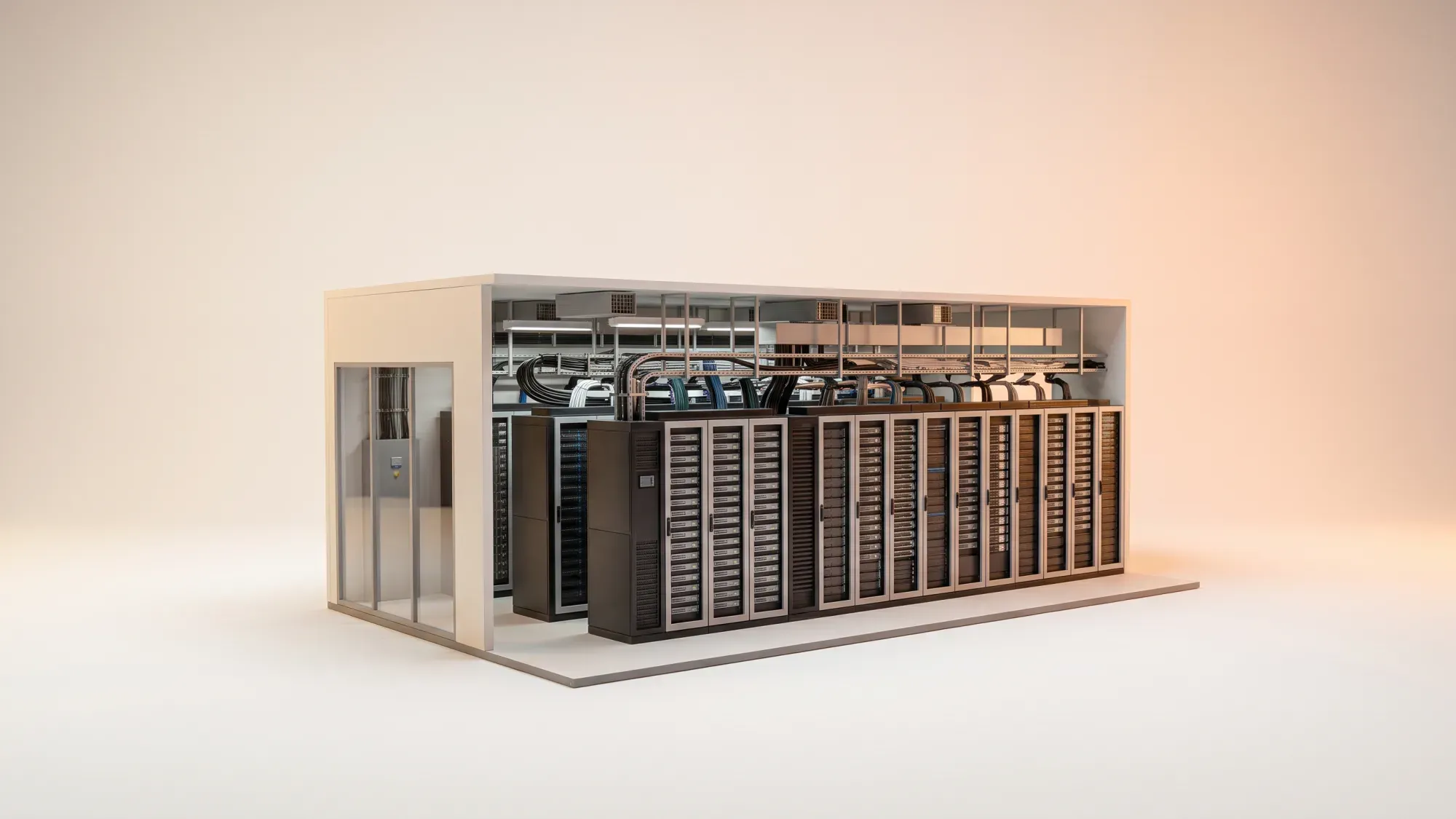
Xlinks' proposed 850-acre AI data centre in Devon, dubbed the 'Devon data campus', has sparked significant concern among local communities near Great Torrington, Huntshaw, and Weare Giffard.1 This ambitious £13-billion project, intended to house advanced computing infrastructure, could become one of Europe's largest data centres, but its scale and potential impact are drawing considerable opposition. The development highlights the complex interplay between the UK's growing demand for AI computing capacity and the environmental and social considerations of large-scale infrastructure in rural areas.
The energy demands of such large-scale projects underscore the need for a modernised and resilient energy system. Fuse Energy is committed to building a future with abundant, clean energy, making it easier for homes to manage their power needs. Click here to switch to Fuse Energy today.
Enter your address to get a quote and see how much you could save
The UK's growing AI computing ambition
The UK is actively seeking to expand its domestic computing capabilities for artificial intelligence, driven by both economic aspirations and national security concerns. This push aims to reduce reliance on overseas facilities and foster local investment and job creation.
The drive for domestic AI capacity
To meet the escalating demands of AI, the UK requires substantially more computing capacity. Xlinks argues that the current reliance on AI data centres abroad introduces data security risks and prevents the UK from fully capitalising on the economic benefits these facilities can bring. Xlinks stated, "To meet AI demand, the UK needs more computing capacity. Today, the UK relies on AI data centres abroad, which creates data security risk and means the UK doesn’t benefit from the jobs and investment they bring."
Economic benefits and job creation
Xlinks anticipates the creation of between 2,000 and 3,500 jobs during the construction period and between 650 and 1,200 permanent operational roles upon completion. Beyond direct employment, the project aims to attract further AI-related companies, bringing additional jobs and investment to the region. This domestic capacity is also seen as crucial for managing UK data within the country, addressing data security concerns.
Xlinks' proposed Devon data campus
The sheer scale and technological ambition of the Xlinks project position it as a significant development within the UK's digital infrastructure landscape.
Scale and location: Great Torrington and beyond
The "Devon data campus" is planned for an 850-acre site located between Great Torrington, Huntshaw, and Weare Giffard in North Devon. This vast development would be among the largest of its kind in Europe.
Technological scope: GPUs, TPUs, and hpc
The facility is designed to house GPUs, TPUs, and high-performance processors, providing the computing power necessary for advanced AI workloads. This infrastructure would serve as the "brains" behind the AI models increasingly powering everyday digital life.
Environmental and community concerns
Despite the economic promises, the proposed data centre has generated substantial environmental and community opposition, particularly concerning resource consumption and local impact.
Water consumption for cooling
A primary concern revolves around the immense water requirements for cooling the high-performance processors within the data centre. Miguel Yañez-Barnuevo, writing for the Environmental and Energy Study Institute, explains that "A medium-sized data centre can consume up to roughly 110-million gallons of water per year for cooling purposes, equivalent to the annual water usage of approximately 1,000 households." Larger data centres can use up to 5 million gallons daily, comparable to the needs of a town of up to 50,000 people. This water is often evaporated, removing it from the local water cycle and potentially concentrating pollutants.
How much water do data centres use for cooling?
A medium-sized data centre can consume around 110 million gallons of water annually for cooling, which is roughly equivalent to the yearly water usage of 1,000 households. Larger facilities can demand up to 5 million gallons per day, impacting local water supplies significantly, especially in regions already facing water stress.
Noise pollution and rural industrialisation
Residents have voiced significant worries about noise pollution from the continuous operation of cooling systems and backup generators. Persistent humming sounds have led to complaints in other areas. The industrialisation of a rural landscape is another major point of contention, with concerns about the destruction of countryside and wildlife. Xlinks has stated there would be strict noise limits set as part of the planning process, enforced throughout the campus's lifetime, and plans to design in noise buffers like landscaping and trees.
Public consultation and local opposition
A public consultation period for the Xlinks proposals is underway from 14 July until 11 August. However, public information days initially scheduled for July were postponed to allow more time for engagement and to avoid the summer holiday period, frustrating some locals. Local groups are making their thoughts known regarding this giant development.
Addressing the energy infrastructure challenge
The energy demands of AI data centres present a substantial challenge for existing electricity grids, necessitating robust and sustainable solutions.
Electricity grid capacity and renewable energy
AI data centres require massive, constant flows of power, placing considerable strain on electricity grids. Data centres already account for around 2.5% of the UK's electricity consumption.
The 'Goldilocks' climate argument
Xlinks has argued that the Devon location offers a "Goldilocks" climate - "not too cold, not too hot, just right" - which they claim will reduce the need for heating and cooling, thereby cutting energy and water use. This mild climate, coupled with access to renewable energy sources and available electricity grid capacity, are cited as advantages for the site.
Sustainable solutions for high-performance computing
To mitigate the environmental impact, developers are increasingly exploring sustainable solutions. Co-locating data centres with solar energy projects is one promising approach, providing on-site renewable power and reducing reliance on the grid. These solutions are crucial for meeting the growing energy demands of AI sustainably.
Building a future-ready energy grid for AI
The challenges posed by projects like the Devon data campus underscore the urgent need for a modernised and resilient energy system capable of supporting high-demand users.
The role of abundant, clean energy
The massive power requirements of AI data centres highlight the importance of transitioning to abundant, clean energy sources. Rather than viewing high energy demand as a burden, it can be seen as an opportunity to accelerate the development of a future-ready energy grid. Fuse Energy's vision is to build a future with power to play with, where energy is so abundant it stops being a thing you think about.
Modernising the grid for high-demand users
The energy infrastructure challenges, including grid capacity constraints and connection queues, emphasise the need for a fundamental shift in how the UK's energy system is built and managed. Fuse Energy aims to vertically integrate and rebuild the energy system from scratch, creating a resilient infrastructure capable of powering the next generation of computing and ensuring the UK can meet its AI ambitions sustainably.
Managing your home's energy should be straightforward and stress-free. Fuse Energy offers clear pricing, real-time usage data through our app, and 24/7 human customer support to help you stay in control of your bills. We believe in making energy abundant and accessible, so you can focus on what matters most.
Click here to switch to Fuse Energy today and experience a modern approach to energy. You can also find out more about our mission to create a future with power to play with by clicking here.
References
Disclaimer
For the avoidance of doubt, this article is provided for informational purposes only and is not intended to constitute legal or financial advice. The author and/or Fuse Energy shall not be responsible for any losses arising out of any reliance on the information contained herein.