AI data centres: deserts offer power as grids strain
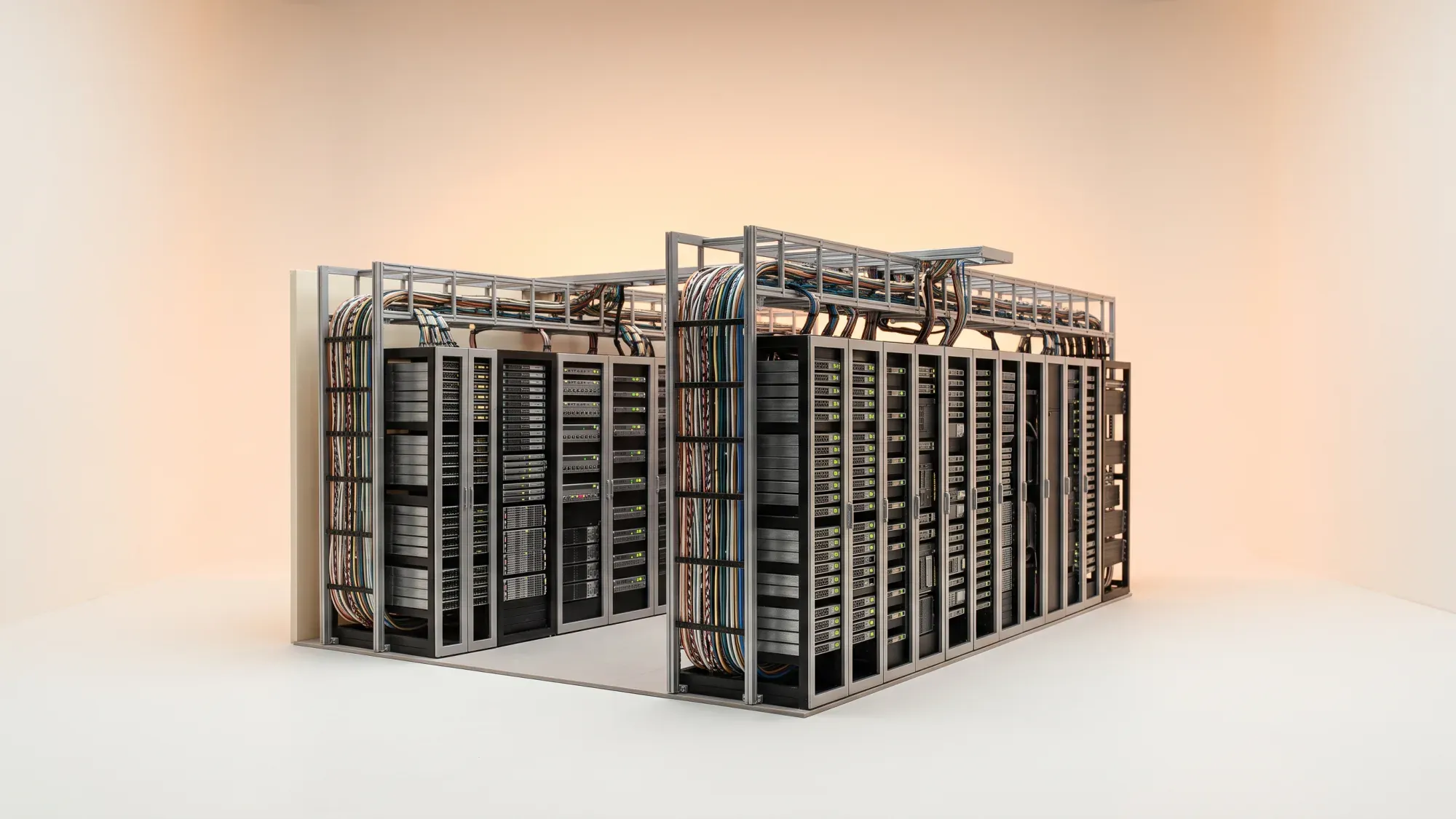
The rapid expansion of artificial intelligence (AI) is placing immense pressure on global electricity grids, pushing existing energy infrastructure to its limits1. This surge in demand necessitates a fundamental rethink of how and where data centres, the physical backbone of AI, are located and powered. Instead of struggling to bring power to existing infrastructure, a new vision proposes taking AI to where energy is already plentiful and clean.
Thinking about AI data centres? With Fuse Energy, you get clear pricing, real-time usage data, 24/7 human customer support, and a modern energy experience designed around you. Signing up takes just a few minutes, so you can take control of your bills from day one. Click here to switch to Fuse Energy today and start saving.
Enter your address to get a quote and see how much you could save
The escalating energy demands of artificial intelligence
Artificial intelligence, particularly the advanced models driving today's innovations, relies on immense computational power. This power translates directly into a colossal appetite for electricity, a challenge that is rapidly intensifying.
Understanding gpu power consumption and AI workloads
The core of modern AI processing lies in Graphics Processing Units (GPUs). These specialised chips, designed for parallel processing, are exceptionally efficient at handling the complex calculations required for AI training and inference. However, their high performance comes at a significant energy cost. While GPUs themselves account for a significant portion of the total power consumed in a cutting-edge AI data centre at peak operation, the remaining energy fuels crucial supporting systems such as CPUs, fans, storage, networking equipment, cooling infrastructure, and power conversion systems. As AI models grow in complexity and scale, so too does the energy footprint of these powerful computing clusters.
The International energy Agency's forecast for data centre power
The International Energy Agency (IEA) has issued a stark warning regarding the future of data centre energy consumption. Their projections indicate that global electricity demand from data centres is set to more than double by 2030, reaching an estimated 945 terawatt-hours (TWh). This dramatic increase, primarily driven by the rapid industrialisation of AI, would see data centres consuming an amount of electricity comparable to Japan's entire annual power consumption today. This forecast underscores the urgent need for sustainable and scalable energy solutions to support the continued growth of AI.
Strain on electricity grids and traditional data centre models
Existing electricity grids and traditional data centre models are increasingly ill-equipped to handle the escalating energy demands of AI. This creates significant bottlenecks for nations aiming to be leaders in the AI race.
Challenges of Integrating AI infrastructure into existing grids
Integrating large-scale AI infrastructure into current electricity grids presents substantial challenges. The sheer volume of power required by modern AI data centres can quickly overwhelm local grid capacity, leading to lengthy connection queues and significant infrastructure upgrades. The IEA estimates that electricity grid constraints could delay around one in five data centres currently planned for construction around the world by the end of the decade.
Why current data centre locations are becoming unsustainable
Historically, data centres have been built close to major urban centres or established fibre networks, prioritising connectivity and proximity to customers. However, this approach is becoming increasingly unsustainable in the age of AI. These locations often lack the abundant, readily available clean energy needed for AI's intensive workloads. Relying on an already strained grid in densely populated areas means long waits for grid connections, higher energy costs, and a greater carbon footprint if power is sourced from fossil fuels. The traditional model struggles to scale with AI's exponential energy growth, making a shift in location not just an option, but a necessity.
A radical shift: taking AI to abundant energy sources
To overcome the energy constraints facing AI, a radical departure from conventional data centre siting is emerging. This new philosophy prioritises energy abundance over traditional grid proximity.
The "transport the data, not the electrons" philosophy
A key tenet of this new approach is encapsulated in the phrase: "Don't transport the electrons. Transport the data." This philosophy, championed by clean energy infrastructure company GIGATONS, suggests that instead of waiting years for grid infrastructure to deliver power to AI's powerful GPUs, the GPUs themselves should be located where energy is already plentiful. Toddington Harper, founder and CEO of GIGATONS, stated, "Instead of waiting years for power to reach the GPUs, we can take the GPUs to where energy is abundant." This means building data centres directly alongside vast sources of clean, renewable energy, eliminating the need for extensive and time-consuming grid expansions. It is a fundamental reorientation of infrastructure planning, turning energy scarcity into an opportunity for innovation.
Desert data centres and other strategic locations
This radical shift opens the door to strategic locations previously considered unsuitable for data centres. Deserts, for instance, offer vast tracts of land ideal for large-scale solar farms, providing an abundant and consistent supply of renewable energy. While challenges such as cooling and water management remain, these can be addressed through innovative engineering and sustainable practices. Beyond deserts, other strategic locations could include areas with high wind resources or proximity to other forms of clean energy generation. GIGATONS is already pursuing this idea at scale, having announced a global partnership with Schneider Electric, with initial projects in Abu Dhabi and Australia. The focus is on co-locating computing power with energy generation, creating self-sufficient AI hubs that are less reliant on congested national grids.
Building resilient AI power: renewables, microgrids, and storage
The vision of energy-abundant AI data centres hinges on the integration of advanced clean energy technologies, ensuring both sustainability and resilience.
Integrating solar power and battery storage for AI data centres
Vast solar farms are central to powering these decentralised AI data centres, providing a direct and abundant source of clean electricity. However, the intermittent nature of solar power necessitates robust energy storage solutions. Advanced battery storage systems are crucial for capturing excess solar energy during peak generation and discharging it when sunlight is unavailable, ensuring a continuous power supply for AI workloads. In the UK context, wind power also plays a vital role. UK onshore wind farms typically operate at around 27% capacity factor, while offshore wind farms, benefiting from stronger and more consistent winds, average around 41%. Integrating these diverse renewable sources with substantial battery storage creates a resilient and sustainable energy ecosystem for AI.
The role of dedicated microgrids in energy independence
Dedicated microgrids are the technological backbone of these energy-independent AI data centres. A microgrid is a localised energy grid that can operate autonomously from the main National Grid, or connect to it as needed. For AI data centres, these microgrids can directly integrate renewable generation, battery storage, and computing infrastructure, dramatically reducing the time from deployment to operation. As Toddington Harper noted, "The global AI race will increasingly be determined by two things: access to GPUs and access to power." By bringing these together through powerful microgrids, a faster route to sovereign AI capacity is created.
As homes increasingly rely on smart technology, understanding energy demands is crucial. Fuse Energy helps you manage your home's energy with clear pricing and real-time usage data, making it easier to power your smart home sustainably. Click here to switch to Fuse Energy today.
Managing your home's energy should be straightforward, especially as technology evolves. Fuse Energy offers clear pricing and detailed usage insights through our app, helping you understand and control your electricity consumption. Our 24/7 human support team is always ready to assist. Click here to switch to Fuse Energy today and take control of your home's energy future. You can also learn more about our mission to make energy abundant by clicking here.
References
Disclaimer
For the avoidance of doubt, this article is provided for informational purposes only and is not intended to constitute legal or financial advice. The author and/or Fuse Energy shall not be responsible for any losses arising out of any reliance on the information contained herein.