Queen's University Belfast unveils £74 3D-printed battery
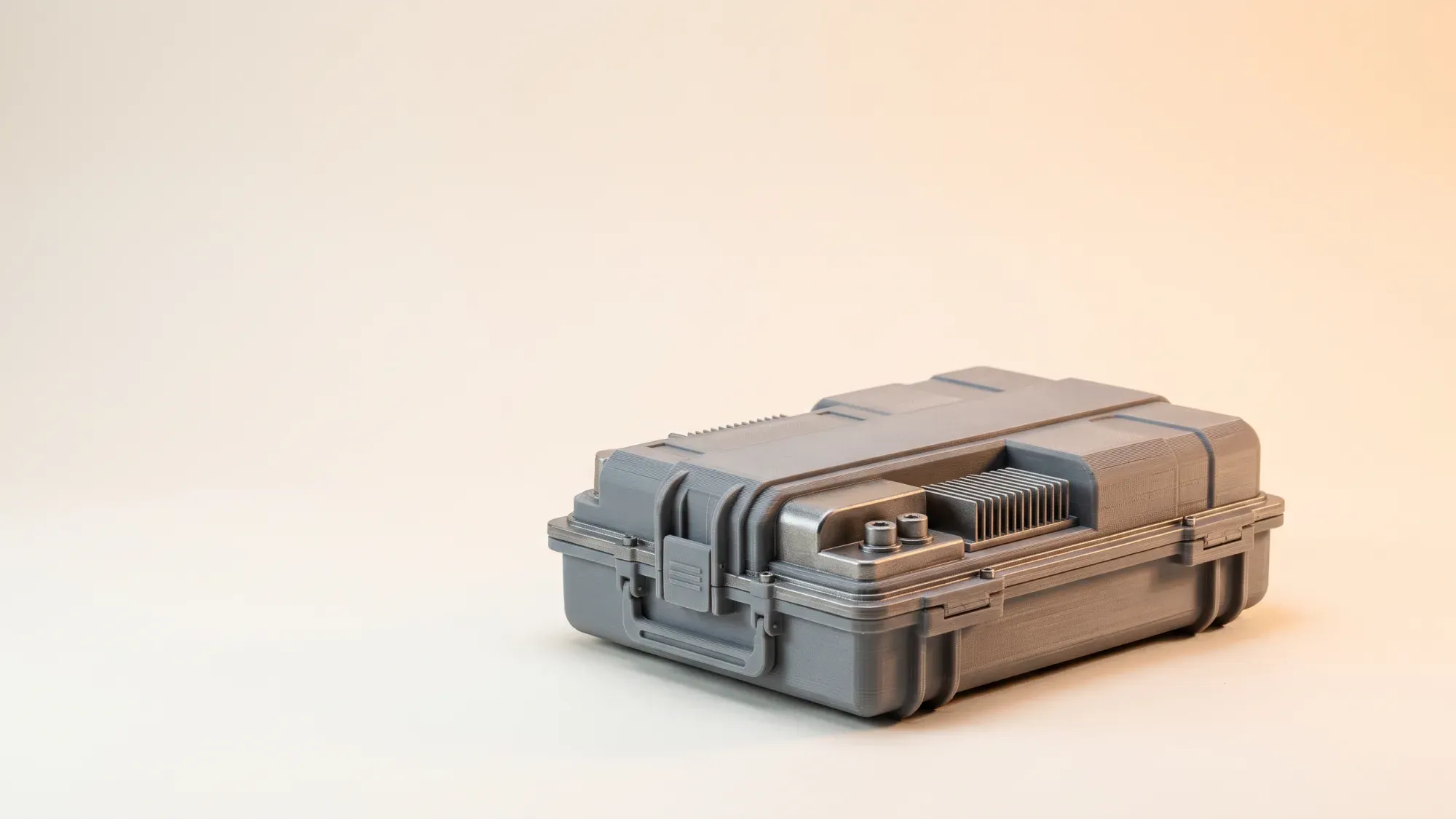
Scientists at Queen's University Belfast have developed a prototype 3D-printed flow battery cell costing approximately £741, a breakthrough poised to significantly reduce the cost of renewable energy storage research. This innovation offers a cheaper alternative to commercial research equipment, which typically costs between £2,000 and £3,000. The design, which uses widely available iron instead of the more expensive and price-volatile vanadium, has been released free to the international scientific community, complete with an "Ikea-style instruction manual" for assembly. This open-source approach aims to foster common testing standards globally, accelerating the identification of commercially viable systems for large-scale renewable electricity storage.
The Queen's University Belfast breakthrough
A new era for energy storage research
The development from Queen's University Belfast marks a pivotal moment for energy storage research. By drastically cutting the cost of research equipment, this 3D-printed flow battery cell democratises access to critical tools, allowing more researchers worldwide to contribute to advancements in energy storage. The initiative directly addresses a significant barrier to innovation: the prohibitive expense of proprietary research equipment.
Dr Hugh O'Connor, a postdoctoral researcher at Queen's University Belfast, began developing the cell during his PhD research after discovering that commercial equipment could cost up to £3,000, eventually creating one for around £75.
Iron flow battery technology explained
Flow batteries are a type of rechargeable battery where energy is stored in liquid electrolytes, which are pumped through an electrochemical cell. Unlike traditional lithium-ion batteries, flow batteries separate the energy storage component (the electrolyte tanks) from the power generation component (the cell stack), allowing for independent scaling of energy and power capacities. This makes them particularly well-suited for long-duration, large-scale energy storage applications.
The Queen's University Belfast design is an iron flow battery, distinguishing itself from most current systems that rely on vanadium. Vanadium, while effective, is produced in a limited number of countries and is susceptible to significant price fluctuations. Iron, being much more abundant and easier to source, offers a more stable and cost-effective alternative, reducing material science challenges and supply chain risks.
How 3D printing transforms battery development
Precision manufacturing for complex designs
3D printing, also known as additive manufacturing, enables the creation of complex geometries and intricate internal structures that are difficult or impossible to achieve with traditional manufacturing methods. For battery development, this means researchers can design and produce highly optimised components, such as flow sections within the battery cell, to enhance performance and efficiency. The finished design from Queen's University Belfast uses around 10 components, including printed flow sections, a membrane, gaskets, electrodes, and current collectors, showcasing the precision achievable with this technology.
Reducing costs and accelerating prototyping
One of the most significant advantages of 3D printing in this context is its ability to reduce costs and accelerate the prototyping process. Researchers can rapidly iterate on designs, printing new versions within a day to test different configurations. This rapid prototyping capability allows for quicker experimentation and optimisation, significantly shortening the development cycle for new battery chemistries and architectures. The ability to produce a functional research cell for just £74, compared to commercial units costing thousands, underscores the transformative potential of 3D printing in making advanced research more accessible.
The power of open-source innovation
Standardising battery testing globally
The decision to release the 3D-printed battery design as open-source, complete with an "Ikea-style instruction manual", is a strategic move to standardise battery testing across the globe. Historically, different laboratories using varied equipment have produced results that are difficult to compare or reproduce, hindering collective progress. By providing a common, low-cost platform, researchers can now perform identical tests using the same cell and well-defined protocols.
Why is open-source design important for battery research?
Open-source designs for battery research tools, like the Queen's University Belfast 3D-printed cell, are crucial for standardising testing across different laboratories. This enables easier comparison of results, accelerates the identification of promising battery chemistries, and fosters global collaboration, ultimately speeding up the development of commercially viable energy storage solutions.
Fostering collaboration and rapid advancement
This open-source methodology fosters unprecedented collaboration within the scientific community. Researchers can share data and insights based on a common experimental setup, making it easier to identify which battery chemistries and systems hold the greatest commercial potential for large-scale renewable electricity storage. This collective approach is vital for accelerating scientific progress and commercialisation in battery technology, preventing energy waste and grid overload.
Strategic implications for UK energy and beyond
Enhancing grid stability and renewable integration
The UK is committed to achieving a net-zero electricity grid by 2035, a goal that necessitates a significant increase in renewable energy sources like wind and solar. However, the intermittent nature of these sources poses challenges for grid stability. Energy storage systems are critical for balancing supply and demand, storing excess energy during periods of high generation and releasing it when needed. Innovations like the Queen's University Belfast iron flow battery contribute to the diverse portfolio of storage solutions required to integrate more renewables reliably into the grid, reducing reliance on fossil fuel backups and enhancing overall grid resilience.
Towards energy independence with low-cost storage
The development of low-cost, efficient energy storage solutions is a power play for the UK's energy independence. By reducing the cost of research and accelerating breakthroughs in storage, the Queen's University Belfast innovation contributes to a future where energy is more abundant and less subject to geopolitical and market volatilities. Affordable, large-scale storage can help the UK make the most of its domestic renewable resources, bolstering national energy security and reducing the need for energy imports. This aligns with Fuse Energy's vision of a future with "power to play with," challenging the notion that advanced energy solutions must be prohibitively expensive.
Challenges and the future of 3D-printed batteries
Scaling up production and commercialisation
While the Queen's University Belfast prototype represents a significant leap for research, the pathway from laboratory prototype to widespread commercial deployment involves considerable challenges. Scaling up the production of 3D-printed battery components for commercial use requires overcoming hurdles related to manufacturing efficiency, material science, and cost-effectiveness at scale. The focus of this particular breakthrough is on research democratisation, and further work is needed to translate these research gains into commercially ready products.
The road ahead for sustainable energy solutions
The future of 3D-printed batteries, particularly for sustainable energy solutions, is promising. Researchers are already testing larger stacks of the printed cells to understand their performance beyond individual laboratory units. Continued research and development, supported by open-source initiatives, will be crucial for optimising battery chemistry, improving efficiency, and ensuring the long-term durability of these systems. As the UK and the world strive for a cleaner, more reliable energy future, innovations like the 3D-printed flow battery from Queen's University Belfast will play a vital role in making sustainable energy solutions a tangible reality.
References
- Energy Live News. Could £74 printed battery be the future for storage
Disclaimer
For the avoidance of doubt, this article is provided for informational purposes only and is not intended to constitute legal or financial advice. The author and/or Fuse Energy shall not be responsible for any losses arising out of any reliance on the information contained herein.