Zero emission boiler: sustainable home heating explained
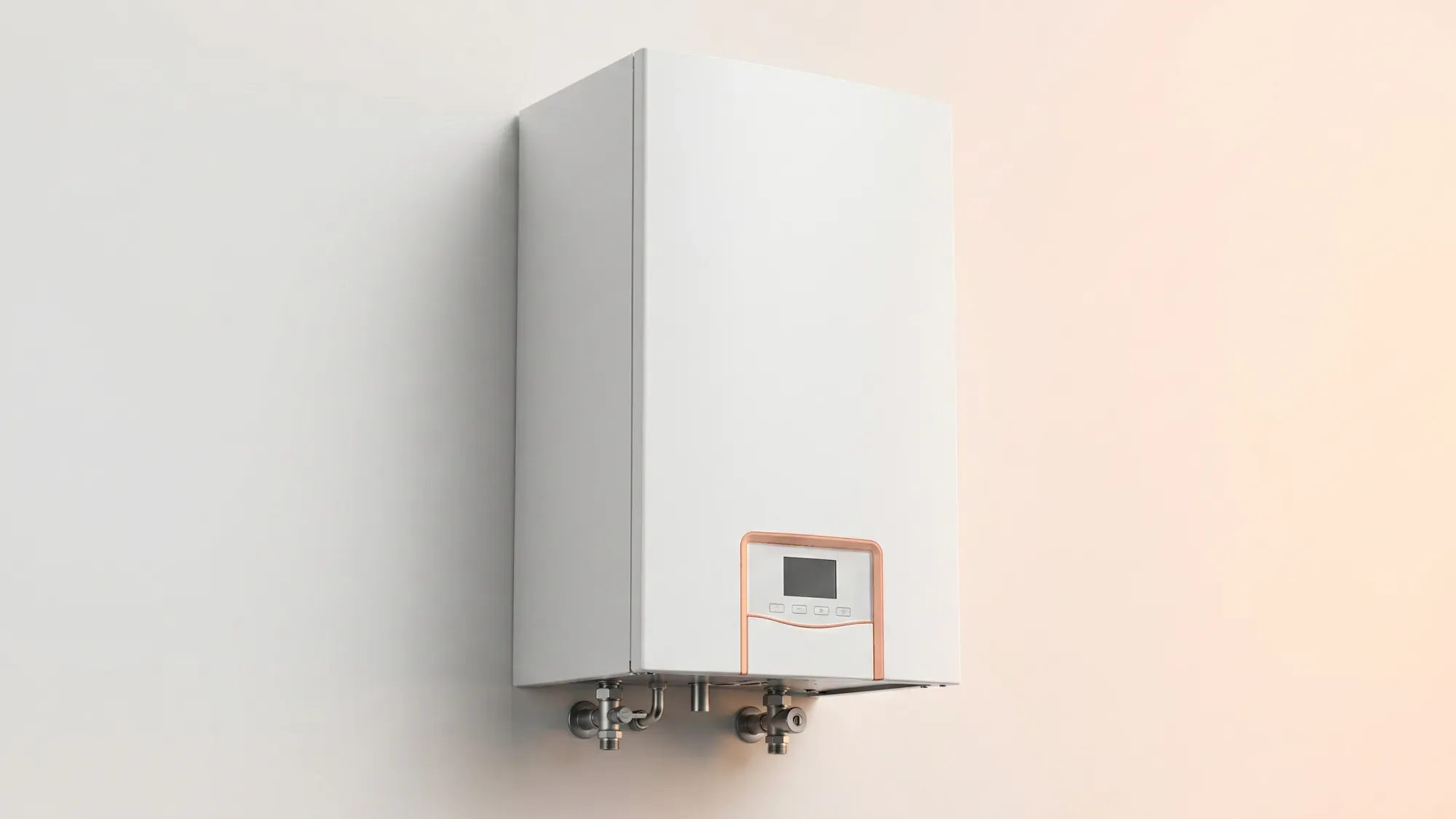
Zero emission boilers (ZEBs) offer a powerful alternative to traditional fossil fuel systems for UK homeowners looking to embrace greener living. These innovative systems provide comfortable warmth without direct carbon emissions at the point of use. This guide explains how ZEBs work, their benefits, and how they compare to other low-carbon technologies like heat pumps.
What is a zero emission boiler?
Zero emission boilers are heating systems designed to produce no direct carbon emissions at the point of use. Unlike conventional boilers that burn gas or oil, ZEBs typically run on electricity or, in future scenarios, hydrogen, aligning With the UK's commitment to low-carbon heating and net-zero targets.
Defining zero emission heating
Zero emission heating fundamentally means severing the link between home warmth and fossil fuel combustion. It ensures that heating your home does not directly release greenhouse gases into the atmosphere. This approach is crucial for reducing the UK's overall carbon footprint, as domestic heating accounts for a significant portion of national emissions.
How zero emission boilers work
At their core, zero emission boilers convert energy into heat without burning fuel on-site. Electric ZEBs use heating elements to warm water for your central heating system and hot water supply. Many models, such as those sometimes referred to as 'ZEB boilers' or 'Tepeo' systems, incorporate a thermal battery. This battery stores heat generated from electricity, often during off-peak hours when electricity is cheaper, and then discharges it as needed. This process is similar to how an immersion heater works but with greater efficiency and smart control capabilities.
Types of zero emission boilers
The primary types of zero emission boilers available or under development for UK homes include:
- Electric thermal storage boilers (heat batteries): These are essentially advanced electric boilers that store heat in a highly insulated thermal battery. They convert electricity into heat, which can then be released into the home's central heating system when required. This allows homeowners to take advantage of cheaper, off-peak electricity tariffs.
- Direct electric boilers: These function much like traditional electric boilers, converting electricity directly into heat for immediate use. They do not typically include a thermal storage component, meaning they operate on demand.
- Hydrogen-ready boilers: These boilers are designed to operate on natural gas initially but can be converted to run on 100% hydrogen when it becomes widely available. Hydrogen for domestic heating is still in trial phases in the UK, with widespread adoption not yet established.
Benefits of zero emission boilers for UK homes
Adopting a zero emission boiler can be a strategic move for homeowners looking to future-proof their properties and contribute to a cleaner environment.
Environmental impact and carbon reduction
The most significant benefit of ZEBs is their environmental impact. By producing no direct carbon emissions at the point of use, they play a crucial role in reducing a home's carbon footprint. As the UK grid decarbonises with more renewable energy sources, the environmental benefits of Electric ZEBs will only increase. This aligns With the UK government's commitment to phasing out fossil fuel heating in new homes by 2025.
Potential for lower running costs with smart tariffs
Electric ZEBs, particularly those with thermal storage, can offer lower running costs by utilising smart energy tariffs. These tariffs provide cheaper electricity during off-peak hours, allowing the boiler to charge its thermal battery when energy is most affordable. This intelligent charging can significantly reduce heating bills compared to standard tariffs.
Ease of integration into existing systems
One of the key advantages of ZEBs over some other low-carbon heating solutions is their relative ease of integration into existing central heating systems. Unlike heat pumps, which often require larger radiators or underfloor heating to operate efficiently, many ZEBs can work with a home's current radiators and pipework, minimising disruption and installation costs.
Zero emission boilers vs heat pumps: a comparison
When considering low-carbon heating, heat pumps are a prominent alternative. Understanding the differences between ZEBs and heat pumps is crucial for making an informed decision.
Key differences in technology and operation
Heat pumps extract heat from the air, ground, or water, even at low temperatures, and transfer it into the home. They use a refrigeration cycle to do this, making them highly efficient. Zero emission boilers, on the other hand, generate heat directly from electricity or release stored heat from a thermal battery.
Installation considerations and disruption
Installing a heat pump can be more complex and disruptive than fitting a ZEB. Air source heat pumps require an outdoor unit, while ground source heat pumps need significant excavation for ground loops. Both often necessitate upgrades to radiators or pipework to maximise efficiency. ZEBs, especially electric thermal storage models, can often be a more straightforward replacement for a traditional boiler, fitting into existing spaces and connecting to current plumbing.
Efficiency and performance in UK climates
Heat pumps are generally very efficient, often producing 3-4 units of heat for every unit of electricity consumed. Their performance can, however, be affected by very low outdoor temperatures, though modern heat pumps are designed to operate effectively in typical UK winters. Electric ZEBs convert electricity to heat with near 100% efficiency, but they do not offer the same coefficient of performance (CoP) as heat pumps. However, their ability to store heat and draw power during off-peak times can offset some of this difference in running costs.
Cost implications and long-term savings
The upfront cost of a heat pump installation can be higher than that of a ZEB, partly due to the more extensive installation work often required. While heat pumps are eligible for grants under the Boiler Upgrade Scheme (BUS), electric thermal storage boilers are not currently included in the scheme. Long-term savings for both systems depend heavily on electricity prices, home insulation, and the effective use of smart tariffs.
Are electric thermal storage boilers eligible for the BUS?
No, electric thermal storage boilers (often referred to as heat batteries) are not currently eligible for grants under the UK government's BUS. The scheme primarily supports the installation of air source heat pumps and ground source heat pumps.
Costs, grants, and financial support
Understanding the financial aspects of installing and running a zero emission boiler is vital for UK homeowners.
Upfront installation costs for zero emission boilers
The upfront cost of installing a zero emission boiler can vary significantly based on the type of system, the complexity of the installation, and any necessary upgrades to a home's electrical supply. While specific figures require a quote from a qualified installer, ZEBs can often be a more cost-effective installation than a heat pump, particularly if minimal changes to existing pipework or radiators are needed.
Understanding running costs and energy tariffs
The running costs of an electric ZEB are directly tied to electricity prices. With the average UK home using around 2,700 kWh of electricity per year1, optimising energy consumption is key. Homeowners can significantly reduce running costs by pairing their ZEB with a smart energy tariff that offers cheaper electricity during off-peak hours. This allows the boiler to charge its thermal battery when rates are lowest, releasing heat when needed without incurring peak charges.
UK government grants and schemes for low-carbon heating
The UK government offers grants to encourage the adoption of low-carbon heating. The BUS provides financial support for homeowners in England and Wales to install systems like air source and ground source heat pumps. However, it is important to note that electric thermal storage boilers are not currently eligible for BUS grants. Hydrogen-ready boilers are also not currently supported by specific government grants for their hydrogen operation, as hydrogen for domestic heating is still in trial phases.
Is a zero emission boiler right for your UK home?
Deciding whether a zero emission boiler is suitable for your home involves assessing several factors beyond just the technology itself.
Assessing home suitability and energy efficiency
The performance and cost-effectiveness of any heating system, including ZEBs, are significantly influenced by a home's energy efficiency. Well-insulated homes with good draught-proofing will retain heat more effectively, reducing the amount of energy required to stay warm. An energy efficiency assessment can help determine if your home is ready for a ZEB or if insulation upgrades are needed first.
Electrical supply requirements
Electric ZEBs, especially those with thermal storage, require a robust electrical supply. Older homes may need an upgrade to their mains electricity connection to accommodate the power demands of a ZEB. It is essential to have a qualified electrician assess your home's electrical infrastructure to ensure it can safely support the new system.
Future-proofing your heating system
Choosing a zero emission boiler is a step towards future-proofing your home against rising fossil fuel costs and evolving environmental regulations. With the UK government aiming to phase out new fossil fuel boilers in new homes by 2025, and building regulations being updated to require low-carbon heating in new builds from the same year, investing in a ZEB aligns with the long-term direction of home heating.
The future of zero emission heating
The landscape of home heating is rapidly evolving, with zero emission technologies at its forefront.
Hydrogen-ready boilers and their potential
Hydrogen-ready boilers represent a potential future pathway for decarbonising heating. These boilers can run on natural gas now and switch to 100% hydrogen later, offering a 'no-regrets' option for some homeowners. However, the widespread availability and cost-effectiveness of green hydrogen for domestic use are still uncertain, with trials ongoing across the UK. The transition to hydrogen heating will depend on significant infrastructure development and policy support.
Advancements in electric heating technology
Electric heating technology continues to advance, with improvements in efficiency, control, and thermal storage capabilities. Innovations in materials and smart energy management are making Electric ZEBs more attractive and effective. These advancements, coupled with a decarbonising electricity grid, mean electric heating will play an increasingly important role in achieving net-zero targets.
The role of smart energy management
Smart energy management is key to maximising the benefits of zero emission heating. Systems that can intelligently charge thermal batteries during periods of low-cost, abundant renewable electricity empower homeowners to take control of their energy consumption. This aligns with a vision of a future with power to play with, where heating your home does not come with the anxiety of high bills or environmental guilt. Adopting a zero emission boiler, especially when paired with smart energy management, allows homeowners to make a strategic move towards greater control over their home heating and energy consumption.
References
Disclaimer
For the avoidance of doubt, this article is provided for informational purposes only and is not intended to constitute legal or financial advice. The author and/or Fuse Energy shall not be responsible for any losses arising out of any reliance on the information contained herein.