Is wood cheaper for home heating?
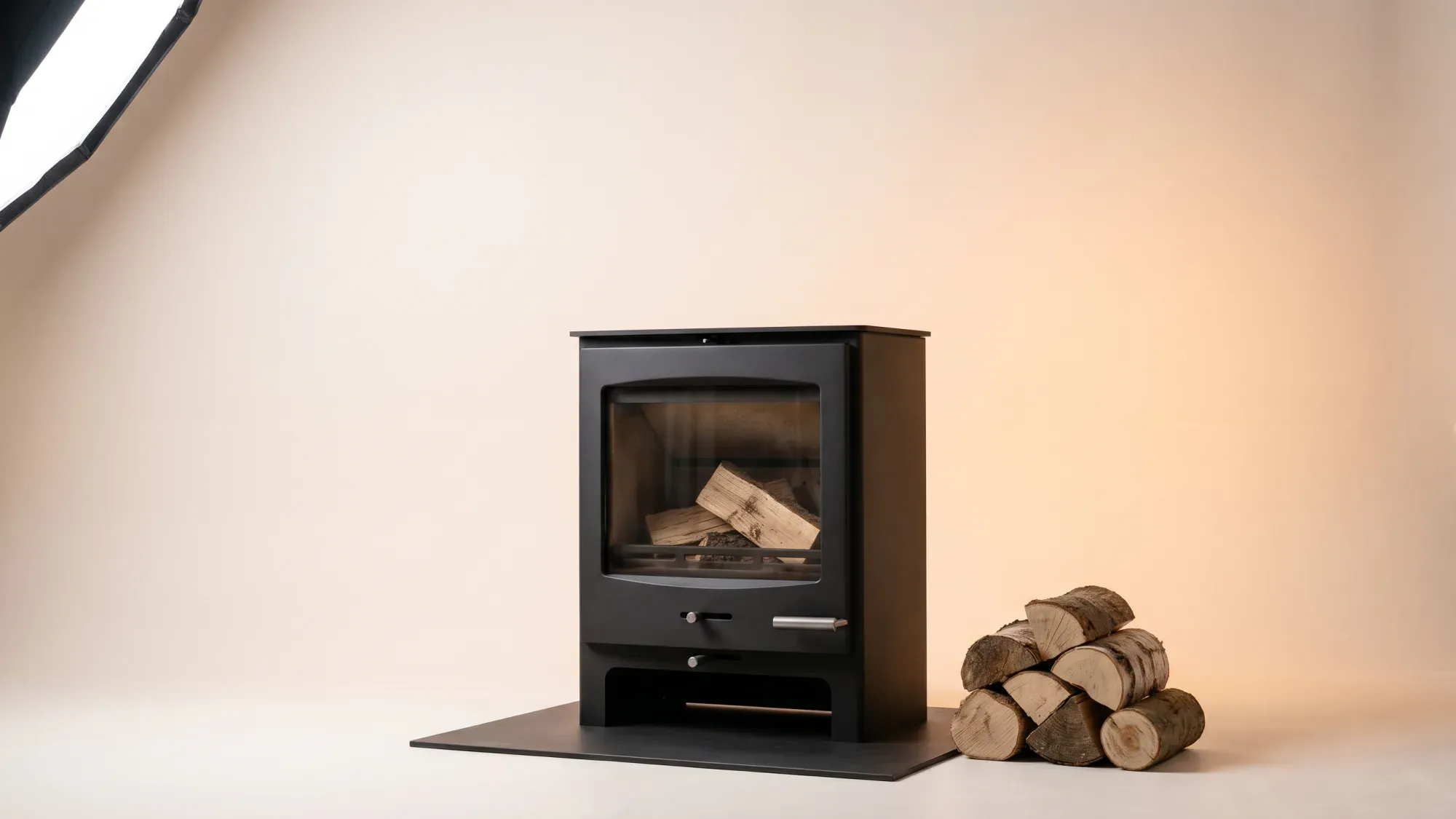
UK homeowners are increasingly weighing up whether wood fuel offers a genuinely cheaper and viable alternative to gas and electricity for heating their homes. With fluctuating energy prices, understanding the total cost of ownership for wood heating, beyond just the fuel price, is crucial.
Making informed heating choices is crucial for homeowners. While Fuse Energy does not supply wood fuel, we offer competitive tariffs for gas and electricity, which are direct alternatives or supplementary heating sources. Our commitment to rigorous, data-backed insights, including detailed UK-specific cost breakdowns, aligns with our goal of empowering you with control over your energy usage and costs. Click here to switch to Fuse Energy today.
Enter your address to get a quote and see how much you could save
Understanding the true cost of wood fuel
The initial appeal of wood heating often lies in the perceived lower cost of fuel, but a comprehensive view must include the upfront investment and ongoing expenses.
Initial investment: stove and installation
Installing a wood-burning stove or biomass boiler represents a significant upfront cost. A typical wood-burning stove alone costs around £950, though prices can range from £700 to £2,000. Average installation costs are approximately £2,000. This brings the total average cost for a stove and its installation to approximately £3,000. However, this can range from £2,500 to over £15,000, depending on whether you have an existing suitable chimney and the complexity of the installation. If a new fireplace or external flue system is needed, costs can rise considerably.
For biomass boilers, which burn wood pellets, chips, or logs to provide central heating and hot water, the investment is substantially higher. Domestic biomass boiler installations typically cost between £6,000 and £18,000, including the boiler, flue, and fuel storage. Some sources indicate a broader range of £10,000 to £25,000. These systems are generally best suited for larger, off-grid homes with ample space for the boiler and fuel storage.
Fuel costs: logs, pellets, and moisture content
The price of wood fuel varies significantly based on type, moisture content, and how it is purchased. Kiln-dried logs offer a higher energy content per unit of volume and burn more efficiently than seasoned or wet wood, reducing overall fuel consumption.
Kiln-dried logs purchased in bulk from local suppliers typically cost around 10-15p per useful kWh. A standard bulk bag (around 200kg) of kiln-dried hardwood typically costs in the region of £90 to £120. Smaller net bags from supermarkets or petrol stations are significantly more expensive per kilogram.
Wood pellets, often used in biomass boilers, are another option. Bulk pellets can cost between 7.1p and 8.3p per kWh of energy content (before stove efficiency), with bagged pellets being slightly dearer at around 10p per kWh of delivered heat.
Ongoing maintenance and hidden expenses
Beyond the initial purchase and fuel, several ongoing costs contribute to the total cost of wood heating. Wood burning stoves require annual chimney sweeping, which typically costs between £60 and £120 per service. Other considerations include the labour involved in sourcing, storing, and loading wood, as well as the amortised cost of a carbon monoxide alarm (around £10 per year).
What is the average annual running cost for a log burner?
For regular use, a log burner can cost approximately £470-£870 per year. This includes £400-£770 for firewood, £60-£85 for an annual chimney sweep, and about £10 per year for a carbon monoxide alarm. This figure can vary significantly with usage and fuel sourcing.
Wood vs gas and electricity: a UK cost comparison
Comparing wood heating with gas and electricity requires looking at unit rates, running costs, and long-term price stability.
Comparing unit rates per kWh
As of Q3 2026, the average UK home electricity unit rate under the price cap is 26.11p/kWh, and gas is 7.33p/kWh. When considering the useful heat delivered, mains gas costs about 9p per useful kWh through a modern boiler with roughly 90% efficiency.
In comparison, kiln-dried logs from local bulk delivery are typically 10-15p per useful kWh, making them dearer than mains gas but significantly cheaper than electricity. Wood pellets, at 7.1p to 8.3p per kWh of content, sit closer to mains gas in terms of energy unit cost.
Factors influencing running costs
The efficiency of your heating appliance plays a crucial role. Modern Ecodesign stoves, which became a legal requirement for new stoves sold in the UK from 1 January 2022, are designed to burn fuel more effectively. They achieve a mean net efficiency of 82.2% compared to 59.5% for non-Ecodesign stoves, meaning more heat from less fuel. This improved efficiency directly translates to lower running costs.
The way you heat your home also matters. Wood burning stoves excel at "zonal heating", where you heat only the space you are using, such as a living room. This can allow you to turn down or switch off central heating in other areas, reducing overall energy usage. Understanding the energy price cap can help you compare these costs.
Long-term price stability and volatility
Energy prices for gas and electricity have seen significant volatility, with the UK remaining exposed to international market fluctuations. While wood fuel prices can also fluctuate, particularly for pellets which are a traded commodity, they can offer a degree of independence from the energy grid and a financial cushion against gas and electricity price swings. However, wood prices globally have also risen in recent years.
Sourcing and storing wood efficiently
To maximise the cost-effectiveness and efficiency of wood heating, proper sourcing and storage are essential.
Where to buy cheap wood
Buying wood in bulk from local suppliers generally offers the best per-cubic-metre rates. Avoid smaller net bags from supermarkets or petrol stations, which can be significantly more expensive per kilogram. Prices can fluctuate due to factors like wood type, seasoning, regional availability, and the time of year, with winter demand often pushing prices up.
Kiln-dried vs seasoned wood
Kiln-dried wood has a guaranteed moisture content below 20%, often verified through "Ready to Burn" certification. This low moisture content is crucial for a clean, efficient burn, producing more heat and fewer emissions. Wet wood, with a moisture content over 20%, burns inefficiently, produces more smoke and soot, and is illegal to burn in smoke control areas. While unseasoned wood can be cheaper upfront, it requires proper seasoning (drying) for an extended period before it is suitable for burning.
Optimal storage solutions
Proper storage is key to maintaining the quality of your wood fuel. Firewood should be stored under a solid roof, raised off the ground, and with steady airflow on all other sides. A ventilated log store or woodshed with an open or slatted front is ideal for the UK climate. Stacking logs loosely with small gaps between them promotes airflow, and keeping them off the ground prevents moisture absorption. Storing wood too close to the home can also attract pests.
Navigating regulations for wood burning
Wood burning in the UK is subject to regulations designed to improve air quality.
Smoke control areas and authorised fuels
Many towns and cities across the UK are designated Smoke Control Areas (SCAs) under the Clean Air Act 1993. In these areas, you can only burn wood in a DEFRA-exempt stove (an appliance that has been tested and listed as suitable). You can also burn authorised smokeless fuels in any stove. It is illegal to burn wood in a non-exempt stove or an open fire within an SCA. Local authorities can issue fines for non-compliance.
The importance of low moisture content
A critical regulation in England is the prohibition of burning wet wood (with a moisture content over 20%) or house coal in smoke control areas. Burning wet wood creates excessive smoke, soot, and tar, reducing efficiency and increasing pollution. Wood that is "Ready to Burn" certified guarantees a moisture content below 20%.
Environmental considerations
Ecodesign regulations, which came into effect for new solid fuel appliances in the UK on 1 January 2022, aim to significantly reduce emissions of particulate matter, carbon monoxide, and other pollutants. Ecodesign stoves produce up to 90% fewer particulate emissions compared to an open fire and up to 80% less than a non-Ecodesign stove. Choosing an Ecodesign-compliant stove and burning dry, certified wood contributes to better air quality and a more sustainable heating approach.
Maximising efficiency and savings
Once you have decided on wood heating, there are several ways to ensure you get the most heat for your money.
Choosing the right stove
Opting for an Ecodesign-compliant stove is paramount. These stoves are not only more environmentally friendly due to lower emissions but also significantly more efficient, meaning you will use less fuel to achieve the same level of heat. This translates directly into lower running costs. If you live in a Smoke Control Area, a DEFRA-exempt Ecodesign stove is a legal necessity.
Proper burning techniques
Using the correct burning techniques can drastically improve efficiency. Always burn kiln-dried or properly seasoned wood with a moisture content below 20%. The "top-down" method of lighting a fire can lead to a cleaner, more efficient burn with less smoke. Regular maintenance, including annual chimney sweeping, also ensures your stove operates at its best.
Combining wood with other heating
Wood heating can be particularly effective when used in conjunction with other heating systems. By using a wood burner to heat your main living space, you can turn down or switch off your central gas or electric heating in that area, effectively implementing zonal heating. This approach can significantly reduce your overall reliance on more expensive fuels for whole-house heating, leading to savings. Many homeowners pair this with a smart meter installation to track usage.
Making an informed heating choice
Deciding whether wood heating is right for your home involves weighing up various factors.
Weighing convenience against cost
While wood heating can offer lower running costs per kWh compared to electricity and potentially gas (depending on fuel source and efficiency), it demands more active management. This includes sourcing, storing, and loading fuel, as well as regular maintenance like chimney sweeping. Gas and electricity, while potentially more expensive per unit, offer unparalleled convenience and control.
The role of gas and electricity in a multi-fuel home
For many, wood heating serves as a supplementary heat source, providing warmth and ambiance in key living areas while gas or electricity handles the rest of the home. This multi-fuel approach can offer a balance of cost savings and convenience. Gas remains the cheapest whole-house heating fuel for many UK homes.
Managing your energy bills should be clear and easy to understand. Fuse Energy focuses on straightforward pricing, so you can see exactly what you are paying without unnecessary complexity. If you have a smart meter, you can view detailed usage data through the app or website, helping you understand how you can lower your bills. If you do not have a smart meter, Fuse Energy can upgrade your non-smart meter, completely for free. This can make it easier to track spending and make informed decisions about your energy use. Our 24/7 human support team is always on hand with fast response times of under 5 minutes whenever you need help. Click here to switch to Fuse Energy today. Find out about our mission by clicking here.
Disclaimer
For the avoidance of doubt, this article is provided for informational purposes only and is not intended to constitute legal or financial advice. The author and/or Fuse Energy shall not be responsible for any losses arising out of any reliance on the information contained herein.