Understanding wind waste
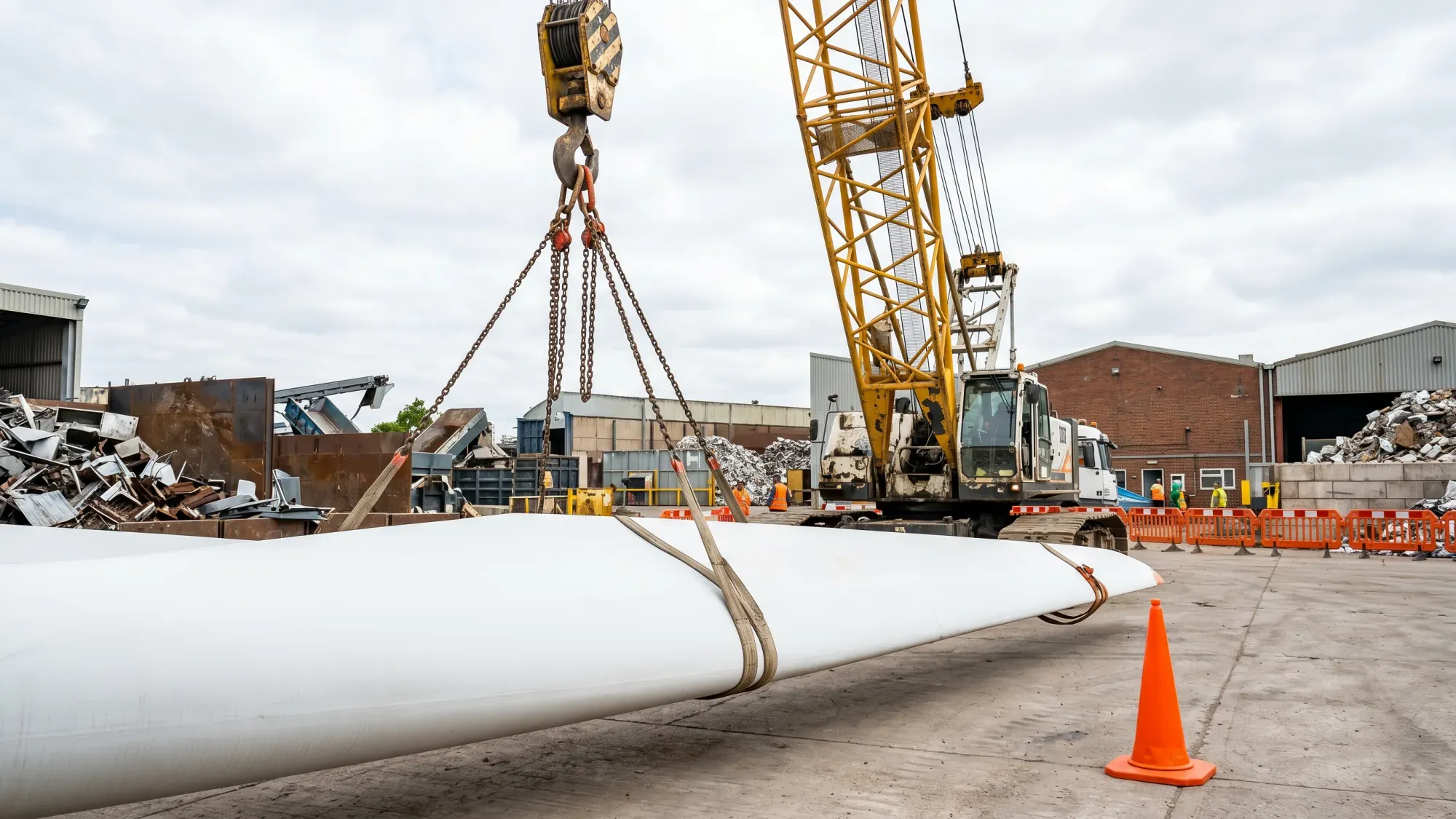
The UK's push for renewable energy relies heavily on wind power, yet this vital resource faces a dual challenge: wind waste. This term encompasses both the valuable electricity that cannot reach homes due to grid limitations and the growing issue of physical waste from decommissioned wind turbine components. Tackling these inefficiencies is crucial for the UK to fully harness its renewable potential and build a sustainable energy future.
At Fuse Energy, we believe in maximising the potential of clean energy to deliver abundant power to your home. Understanding and addressing issues like wind waste is key to this mission. Click here to switch to Fuse Energy today.
Enter your address to get a quote and see how much you could save
What is wind waste?
Wind waste appears in two main forms: energy curtailment, where generated electricity cannot reach consumers, and the physical waste from end-of-life wind turbine components. Both represent significant inefficiencies that hinder the UK's progress towards net zero.
Energy curtailment: the invisible waste
Energy curtailment happens when wind farms generate electricity, but the grid cannot transport that power to where it is needed. This often occurs due to grid congestion, particularly in areas with high wind generation like Scotland, and insufficient transmission capacity to demand centres in other parts of the UK. When the grid cannot handle the influx of wind power, operators are forced to pay wind farms to switch off their turbines, leading to a significant loss of clean energy. Constraint payments to wind farms have reached billions of pounds, with costs hitting £1.9 billion in 2025-26 alone. This means clean, affordable electricity is lost, and consumers ultimately bear the cost.
What are constraint payments?
Constraint payments are sums paid to electricity generators, such as wind farms, when they are asked to reduce their output. This typically happens when the electricity network cannot handle the amount of power being generated, often due to congestion or insufficient transmission capacity, leading to wasted renewable energy.
Physical waste: end-of-life turbines
Beyond the invisible waste of curtailed energy, there is a tangible problem: the physical disposal of wind turbine components. Wind turbine blades, made of composite materials, are difficult to recycle and often end up in landfill. As more turbines reach the end of their operational life, this issue is set to grow. The sheer size and complex composition of these blades make traditional recycling methods uneconomical and technically challenging, posing a significant environmental concern for a supposedly green technology.
Causes of wind waste in the UK
The root causes of wind waste are systemic, stemming from a combination of outdated infrastructure and material science challenges that were not fully anticipated when the first generation of turbines was deployed.
Grid infrastructure limitations
The UK's electricity grid was largely designed for a centralised energy system, relying on large fossil fuel power stations. It struggles to cope with the decentralised and intermittent nature of modern renewable energy sources like wind. Grid infrastructure limitations, such as insufficient transmission lines and a lack of smart grid technologies, prevent efficient energy flow from windy regions to areas of high demand. The UK is undertaking a significant grid overhaul, with network investments potentially reaching £89 billion in the 2030s alone, and an overall rebuild projected to cost over £150 billion by 2041. This underinvestment in grid modernisation directly contributes to energy curtailment.
Material challenges in turbine blades
The primary material challenge lies in the composite nature of wind turbine blades. These blades are typically made from fibreglass or carbon fibre reinforced with resins, creating a strong yet lightweight structure essential for their function. However, this combination of materials makes them extremely difficult to break down and separate for recycling. Unlike metals, which can be melted down and reused, composites require advanced and often energy-intensive processes to reclaim their constituent parts, making landfill the cheaper, albeit less sustainable, option for many decommissioned blades.
The impact of wind waste
The consequences of wind waste are far-reaching, affecting both the UK's economy and its environmental aspirations. These impacts underscore the urgency of finding comprehensive solutions.
Economic costs and consumer burden
The economic costs of wind waste are substantial. Constraint payments, which compensate wind farms for not generating electricity, are ultimately passed on to consumers through their energy bills. This means households are paying for energy that was never produced, adding an unnecessary burden to already rising costs. According to Ofgem's medium Typical Domestic Consumption Value, effective from 1 July 2026, the average UK home uses around 2,500 kWh of electricity per year1. When clean energy is wasted, it also increases reliance on more expensive and often carbon-intensive backup power sources, further driving up wholesale electricity prices.
Environmental concerns and sustainability goals
From an environmental perspective, wind waste undermines the very purpose of renewable energy. Energy curtailment means the UK is not maximising its clean energy potential, potentially leading to higher carbon emissions from fossil fuel alternatives. The disposal of wind turbine blades in landfill contributes to plastic pollution and occupies valuable land, contradicting the principles of a circular economy. Addressing these issues is critical for the UK to meet its ambitious net-zero targets and uphold its commitment to environmental sustainability.
Solutions for a waste-free wind future
Moving towards a waste-free wind future requires a multi-faceted approach, combining technological advancements, infrastructure upgrades, and forward-thinking policy.
Modernising the grid and storage solutions
Investing in grid modernisation is paramount. This includes upgrading transmission lines, implementing smart grid technologies, and developing advanced energy storage solutions. Large-scale battery storage, pumped-hydro storage, and even hydrogen production can store excess wind energy when generation is high and release it when demand peaks or wind speeds drop. This would significantly reduce the need for curtailment, ensuring that more clean energy reaches homes.
Advancing turbine recycling and circularity
Innovation in recycling technologies for composite materials is crucial. New methods, such as chemical recycling, pyrolysis, and mechanical shredding, are being developed to break down turbine blades and recover valuable fibres and resins. Promoting a circular economy for wind energy means designing blades for easier recycling from the outset and establishing robust collection and processing infrastructure. This would transform end-of-life blades from waste into valuable resources for new products.
Policy and innovation for abundant energy
Policy and innovation must work hand-in-hand to create an energy system where waste is minimised. This includes regulatory frameworks that incentivise grid upgrades, support the development of recycling facilities, and encourage sustainable design in turbine manufacturing. By fostering a culture of innovation, the UK can unlock new solutions that not only address current waste challenges but also pave the way for an energy abundant future, where clean power is always available when and where it is needed.
At Fuse Energy, we refuse to settle for the current inefficiencies of the energy system. We are actively seeking solutions to systemic problems like wind waste, aligning with our mission to rebuild the energy system from scratch and deliver abundant, clean energy. We offer clear pricing, real-time usage data through our app, and 24/7 human customer support to help you manage your energy effectively. Switching to Fuse Energy is quick and easy, putting you in control of your home's power. Click here to switch to Fuse Energy today. You can also learn more about our vision for an energy-abundant future by visiting our mission page here.
References
Disclaimer
For the avoidance of doubt, this article is provided for informational purposes only and is not intended to constitute legal or financial advice. The author and/or Fuse Energy shall not be responsible for any losses arising out of any reliance on the information contained herein.