White meter heating: understanding the RTS switch-off
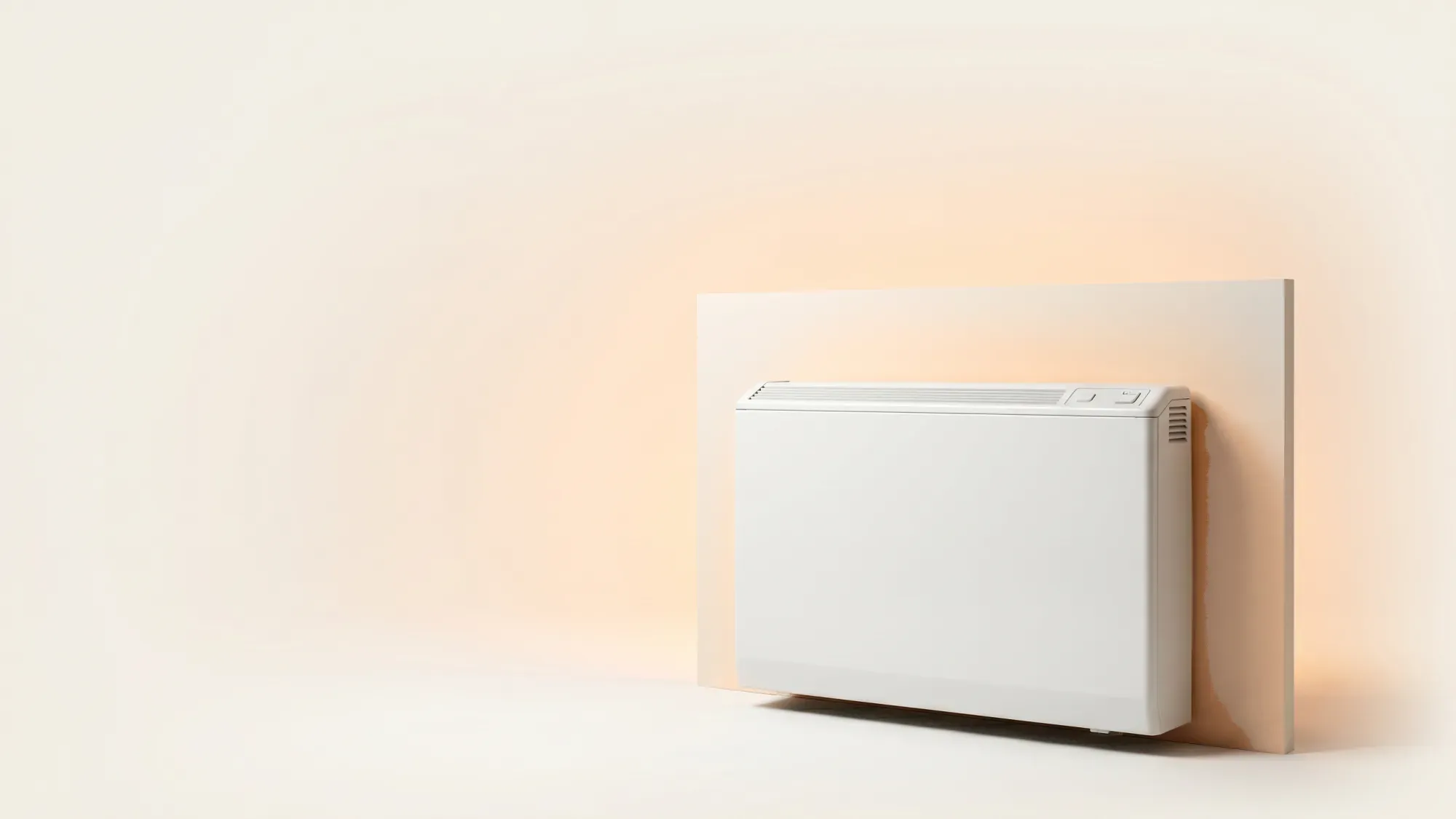
White meter heating systems, common in homes with electric storage heaters, have long offered cheaper off-peak electricity. However, the technology behind these meters is being phased out. This guide explains the upcoming Radio Teleswitch Service (RTS) switch-off, what it means for your home, and how to transition to a smart meter to maintain control over your heating costs.
If you're navigating the changes with white meter heating and looking for a modern energy supplier, Fuse Energy offers transparent energy management and 24/7 human support to help you make the most of your smart meter. Discover a simpler way to manage your home's energy by clicking here to switch to Fuse Energy today.
Enter your address to get a quote and see how much you could save
What is white meter heating?
White meter heating refers to a legacy electricity metering system that provides different electricity rates at various times of the day, typically offering cheaper electricity during off-peak, overnight hours. This system was designed to encourage electricity use when demand on the grid is lower, primarily for charging storage heaters that release heat throughout the following day.
How white meter heating works
White meters operate on a multi-rate tariff structure, recording electricity consumption at different prices depending on the time of day. They automatically switch between "peak" rates during the day and significantly cheaper "off-peak" rates overnight. This switching mechanism has traditionally been controlled by a signal that tells the meter when to apply the different tariffs.
White meters and Economy 7 tariffs
White meters are often considered the Scottish equivalent of Economy 7 meters found in England. Both offer cheaper electricity during specific off-peak hours, typically overnight, to benefit homes with electric storage heaters or immersion heaters. While Economy 7 tariffs provide a seven-hour off-peak window, some white meter tariffs may offer eight hours or longer. These tariffs are designed for households that can shift a significant portion of their electricity use to these cheaper night-time periods.
Reading your white meter
Unlike standard single-rate meters, white meters have two separate readings to account for peak and off-peak consumption. You'll typically see two sets of numbers on your meter, often labelled "Rate 1" and "Rate 2", or "Day" and "Night". To read your white meter, you usually need to note down both sets of numbers, reading them from left to right and ignoring any numbers in red or after a decimal point. Some modern digital dual-rate meters may require you to press a button to switch between the day and night readings.
The RTS switch-off: what you need to know
The technology that enables many white meters to switch between peak and off-peak rates is being phased out. This is a significant change that will affect how your white meter heating system operates.
Understanding the radio Teleswitch service (RTS)
RTS is an older technology that has been used for decades to control multi-rate meters, including many white meters. It sends a longwave radio signal to these meters, instructing them when to switch between peak and off-peak rates or to control when heating and hot water systems turn on and off. This system allowed energy suppliers to offer tariffs with cheaper off-peak rates, helping customers save on energy bills by using electricity during less expensive times.
Why RTS meters are being phased out
The RTS system, introduced in the 1980s, has reached the end of its operational life. The equipment that produces the radio signal is no longer maintained, and some components are no longer manufactured. This phase-out is part of a broader industry-wide move towards modernising the electricity grid, aiming for better energy management, improved reliability, and the integration of renewable energy sources. Without an upgrade, affected users may face issues with their electricity supply and billing accuracy, as their meters will no longer receive the signals to change rates automatically.
Key dates for the RTS switch-off
The industry-wide phase-out of RTS began on 30 June 2025. This means that RTS signals are being switched off in stages, affecting groups of meters over time. If your white meter heating system relies on an RTS meter, it's crucial to arrange for its replacement to avoid potential disruption to your heating or hot water supply, or inaccurate billing.
Transitioning from RTS to a smart meter
The RTS switch-off necessitates an upgrade for all affected meters. The good news is that this transition is managed by your energy supplier.
Your current supplier's role in meter replacement
Your current energy supplier is responsible for replacing your RTS meter with a smart meter, and this upgrade should be provided free of charge. They are required to contact you to arrange an appointment for this upgrade. It's important to respond to your supplier's communications and book your installation as soon as possible to ensure a smooth transition and avoid any disruption to your heating or hot water.
What to expect during your smart meter upgrade
A smart meter installation is typically a straightforward process. An engineer will visit your home to replace your old meter with a new smart one. The power to your home will need to be switched off for a short period during the installation. You'll need to ensure the area around your existing meter is clear for the engineer to work. Once installed, the engineer will usually show you how your new smart meter and its in-home display (IHD) work.
Addressing common concerns about smart meters
Many homeowners have questions about smart meters. These modern meters provide accurate readings automatically, eliminating the need for manual submissions and estimated bills. They also offer real-time insights into your energy usage, helping you understand and manage your consumption more effectively. While concerns about data privacy sometimes arise, energy suppliers are regulated to ensure your data is secure and used appropriately. Smart meters are a key part of modernising the UK's energy infrastructure, offering greater control and flexibility for consumers.
Benefits of smart meters for heating management
Upgrading to a smart meter offers several advantages, particularly for managing your home heating efficiently.
Real-time energy insights and control
Smart meters provide real-time data on your electricity consumption, often displayed on an in-home display or through your energy supplier's app. This immediate feedback allows you to see how much energy you're using and what it's costing you, helping you identify energy-intensive habits or appliances. For heating, this means you can better understand when your storage heaters are charging and how much electricity they consume, enabling more informed decisions about your usage.
How can smart meters help me manage heating costs?
Smart meters provide real-time data on your energy use, allowing you to see exactly how much electricity your heating consumes. This insight, combined with access to flexible tariffs, empowers you to adjust your usage patterns, such as scheduling appliances for off-peak times, to take advantage of cheaper rates and reduce your overall heating expenditure.
Access to flexible tariffs
One of the most significant benefits of smart meters is access to a wider range of flexible tariffs. These tariffs, sometimes called time-of-use tariffs, offer different rates for electricity depending on the time of day, demand on the grid, or even the availability of renewable energy. While dual-rate tariffs like Economy 7 previously required specific multi-register meters, smart meters are the most common way to access varied pricing structures. However, eligibility for these tariffs is ultimately determined by your meter's configuration, and some manual meters can still access them.
Optimising your heating with a smart meter
With a smart meter, you can move beyond the fixed off-peak windows of traditional white meters and potentially optimise your heating more effectively. By understanding your energy consumption patterns, you can schedule your storage heaters or other electric heating to charge during the cheapest periods offered by your tariff. For example, some tariffs might offer super off-peak rates for a few hours overnight, allowing you to charge your heaters when electricity is at its cheapest. According to Ofgem, the average UK home uses around 2,500 kWh of electricity per year, so managing heating efficiently can make a noticeable difference to your overall energy consumption.
Preparing for the future of your home heating
The transition from white meter heating to smart meters is an opportunity to take greater control of your home's energy use and costs.
Choosing a modern energy supplier after your upgrade
Once your RTS meter has been successfully upgraded to a smart meter by your current supplier, you'll be in a much better position to explore modern energy suppliers and tariffs. Smart meters unlock a new level of flexibility, allowing you to choose suppliers that offer innovative tariffs and digital tools to help you manage your energy more effectively. This can include tariffs designed for electric vehicle charging, heat pumps, or those that reward you for using energy when the grid is greener.
Fuse Energy: support for your smart home
Fuse Energy is committed to guiding homeowners through the transition from legacy systems like white meters to modern smart meters. We believe in empowering homeowners with greater control over their heating costs and energy usage. Our approach aligns with rebuilding the energy system for the future, offering transparent energy management through our app and continuous 24/7 human customer support to help you navigate meter upgrades and new energy strategies. It's important to note that Fuse Energy cannot switch customers who still have unsupported RTS meters; your meter must first be upgraded to a smart meter by your current supplier before you can switch to Fuse.
Next steps for white meter homeowners
If you currently have white meter heating, your immediate next step is to check if your meter is an RTS meter affected by the industry-wide switch-off. If it is, contact your current energy supplier without delay to arrange your free smart meter upgrade. Once your smart meter is installed, you'll be able to access real-time energy insights, explore flexible tariffs, and gain greater control over your heating costs. This transition is not just a necessary upgrade but an opportunity to modernise your home's energy management.
Managing your home's energy should be simple and transparent. Fuse Energy offers straightforward pricing and real-time usage data through our app, helping you understand and control your energy consumption. Our 24/7 human support team is always available to assist you. Once your RTS meter has been upgraded to a smart meter, you can switch to Fuse Energy for a modern energy experience. Click here to switch to Fuse Energy today and take control of your home's energy.
Disclaimer
For the avoidance of doubt, this article is provided for informational purposes only and is not intended to constitute legal or financial advice. The author and/or Fuse Energy shall not be responsible for any losses arising out of any reliance on the information contained herein.