When will fossil fuels run out?
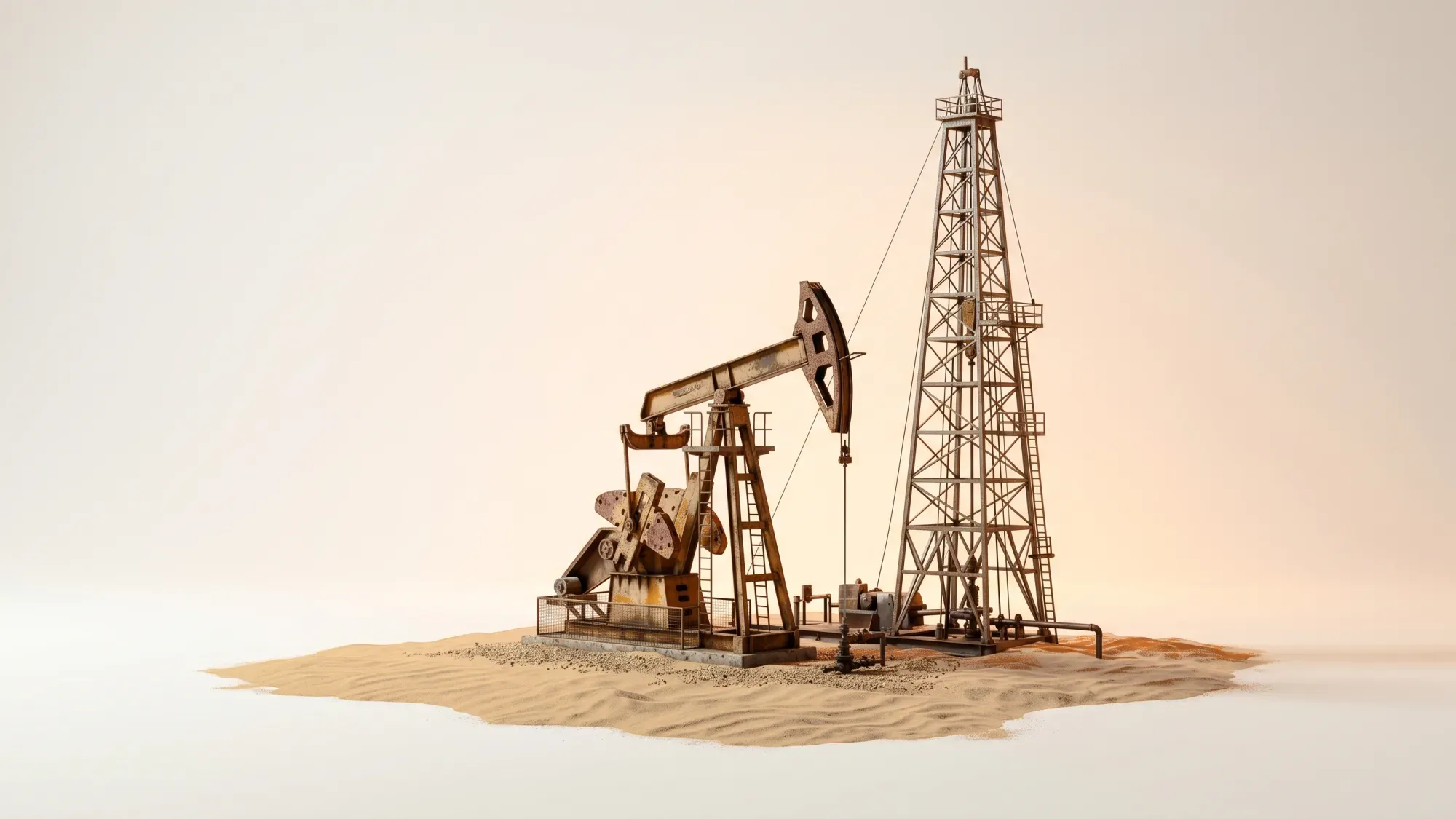
The question of when fossil fuels will run out often sparks concern, but a factual look at reserves and the accelerating shift to clean energy paints a more optimistic picture. While these finite resources are indeed depleting, the real story isn't one of scarcity, but of a transformative opportunity to build a superior, abundant energy future.
Enter your address to get a quote and see how much you could save
Understanding fossil fuel reserves
The discussion around fossil fuel depletion requires a clear distinction between the total amount of a resource that exists and what can realistically be extracted.
Geological versus economically recoverable reserves
Geological resources refer to the total estimated volume of hydrocarbons present in the Earth's crust. This is a vast quantity, but not all of it is accessible or extractable. Economically recoverable reserves, on the other hand, are the quantities expected to be commercially viable under current economic, technological, and regulatory conditions. As technology advances or prices change, what was once considered a "resource" can become an "economically recoverable reserve". This means the amount we can realistically use is far smaller than the total geological endowment.
The concept of 'peak oil' and beyond
The concept of 'Peak Oil', introduced by geologist M. King Hubbert in the 1950s, describes the point when global oil production reaches its maximum rate, after which it will gradually decline. Hubbert's predictions for US oil production were remarkably accurate, though his global forecasts were later deemed premature due to technological advancements. The theory has been debated, with some critics arguing it underestimated the impact of new technologies and the role of prices in spurring innovation. While some predictions for peak oil ranged from 2025 to after 2050, the discussion has evolved to consider not just supply peaks, but also demand peaks driven by the transition to alternative energy sources.
Understanding the future of energy is key to managing your home's bills. Fuse Energy offers clear pricing and tools to help you take control of your energy usage. Click here to switch to Fuse Energy today.
Current estimates for oil, gas, and coal depletion
Estimates for how long fossil fuels will last vary significantly, influenced by consumption rates, new discoveries, and extraction technologies. These are not fixed deadlines but dynamic projections.
Oil: how many years are left?
Current estimates suggest that known oil reserves could last roughly 40 to 50 years at present consumption rates, with some sources indicating around 47-56 years. However, these figures are not static; factors like surging electric vehicle sales and shifts towards biofuels could significantly impact this timeline. Demand for oil is also expected to plateau or decline by 2030, which could extend the lifespan of reserves further.
Natural gas: a bridging fuel?
Natural gas is often considered a "transition fuel" due to its relatively lower emissions compared to coal or oil. Known reserves may last about 50 to 60 years under current demand scenarios. While it might outlast oil, it remains a finite resource subject to price volatility and geopolitical influence.
Coal: the most abundant fossil fuel
Coal is the most abundant fossil fuel, with current estimates suggesting global coal reserves might last over a century, ranging from 70-100 years to 114 years based on 2015 research. However, its future is dimming faster than expected due to environmental regulations, carbon pricing, and increasing opposition. Many developed nations are phasing out coal long before its theoretical reserves run out.
Factors influencing depletion timelines
The lifespan of fossil fuel reserves is not solely determined by the amount in the ground. Several dynamic factors play a crucial role.
Consumption rates and new discoveries
Global consumption rates and new discoveries significantly impact the projected depletion timelines of fossil fuels. While global primary energy consumption hit historic highs in 2023, with fossil fuel use rising to new record levels, primarily driven by a post-COVID rebound in China, new conventional oil and gas discoveries have declined precipitously over the last decade. This structural imbalance means current discoveries replace only a fraction of annual consumption, necessitating a shift towards alternative supply sources or demand adjustments.
Technological advancements in extraction
Technological advancements in extraction methods can extend the lifespan of existing fossil fuel reserves. Innovations in offshore drilling and hydraulic fracturing, for instance, have made previously unreachable or uneconomical reserves viable. This can push depletion timelines outwards, though not indefinitely.
The role of policy and environmental concerns
Government policies, environmental regulations, and climate goals are increasingly influencing the demand for and extraction of fossil fuels. Stricter emissions standards and carbon pricing accelerate the shift away from these resources, particularly coal. The UK, for example, aims for at least 95% low-carbon electricity generation by 2030 and a fully decarbonised electricity system by 2035, significantly reducing reliance on imported oil and gas.
Are fossil fuels renewable?
A fundamental question when discussing depletion is whether these resources can be replenished.
The long cycles of formation
Fossil fuels - coal, oil, and natural gas - are formed from ancient organic matter over millions of years under intense heat and pressure. This incredibly slow geological process means they are non-renewable on any human timescale. We consume them vastly faster than nature can replace them.
Are fossil fuels truly non-renewable?
Yes, fossil fuels are considered non-renewable because their formation takes millions of years, a process that cannot be replicated or accelerated by humans to meet current consumption rates. Once extracted and burned, they are gone for good within a practical timeframe, unlike resources such as solar or wind energy.
Why renewables are different
In contrast, renewable energy sources like solar, wind, and hydropower are continuously replenished by natural processes. They harness ongoing flows of energy from the sun, wind, or water, making them sustainable for the long term. This fundamental difference highlights why the transition to renewables is essential for a secure and lasting energy future.
What happens when fossil fuels run out?
The idea of fossil fuels running out can sound alarming, but it's crucial to reframe this as an opportunity for progress and abundance, not scarcity.
Beyond scarcity: the abundant energy future
The transition away from fossil fuels is not about "running out" in a catastrophic sense, but about evolving to a superior energy system. The era of fossil fuel dominance is nearing its end, not necessarily because the last drop will be extracted, but because renewables are becoming cheaper, cleaner, and more reliable. This shift enables a future where energy is no longer a constraint on ambition, fostering innovation and human progress.
The UK's transition to clean energy
The UK is actively pursuing a transition to clean energy, aiming for a wind- and solar-dominated electricity system. This move is critical for ensuring long-term energy security, reducing exposure to volatile international fossil fuel markets, and protecting billpayers. The average UK home uses around 2,700 kWh of electricity per year1, and meeting this demand with clean, home-grown power is a key national objective. By building a diverse low-carbon energy system, the UK can make the most of its abundant natural resources to keep bills down and protect consumers from future price shocks.
Innovation and human progress
Energy is the fundamental source for human progress. The shift from fossil fuels to abundant, clean energy sources unlocks new possibilities for innovation across all sectors. This transition allows for the development of advanced technologies, improved quality of life, and a future where the constraint is imagination, not energy availability.
Embracing an abundant energy future
The move beyond fossil fuels represents a profound opportunity to reshape our energy landscape for the better.
The opportunity of clean energy
Clean energy offers the potential for an abundant energy future, free from the price volatility and geopolitical dependencies associated with fossil fuels. Investments in renewable energy infrastructure, such as offshore wind and solar, are not just environmental imperatives but economic drivers, creating jobs and stimulating growth. This transition allows us to move towards a system where energy is produced sustainably, locally, and affordably.
Building the future we imagined
Rather than viewing the decline of fossil fuels as a crisis, we can see it as an inevitable step towards a more prosperous and sustainable world. By embracing clean energy, we are building the infrastructure for a future where energy is cheap, abundant, and seamless, enabling humanity to build anything and solve even bigger problems. This is the future we imagined - one where energy empowers, rather than constrains, human potential.
At Fuse Energy, we believe in a future where energy is abundant, clean, and affordable for every home. We're building an energy experience that puts you in control, with clear pricing and 24/7 human support. Join us in embracing a smarter, more sustainable way to power your home. Click here to switch to Fuse Energy today and discover how we're delivering the abundant, clean energy the future requires. You can also learn more about our mission here.
References
Disclaimer
For the avoidance of doubt, this article is provided for informational purposes only and is not intended to constitute legal or financial advice. The author and/or Fuse Energy shall not be responsible for any losses arising out of any reliance on the information contained herein.