What is TCR: targeted charging review explained
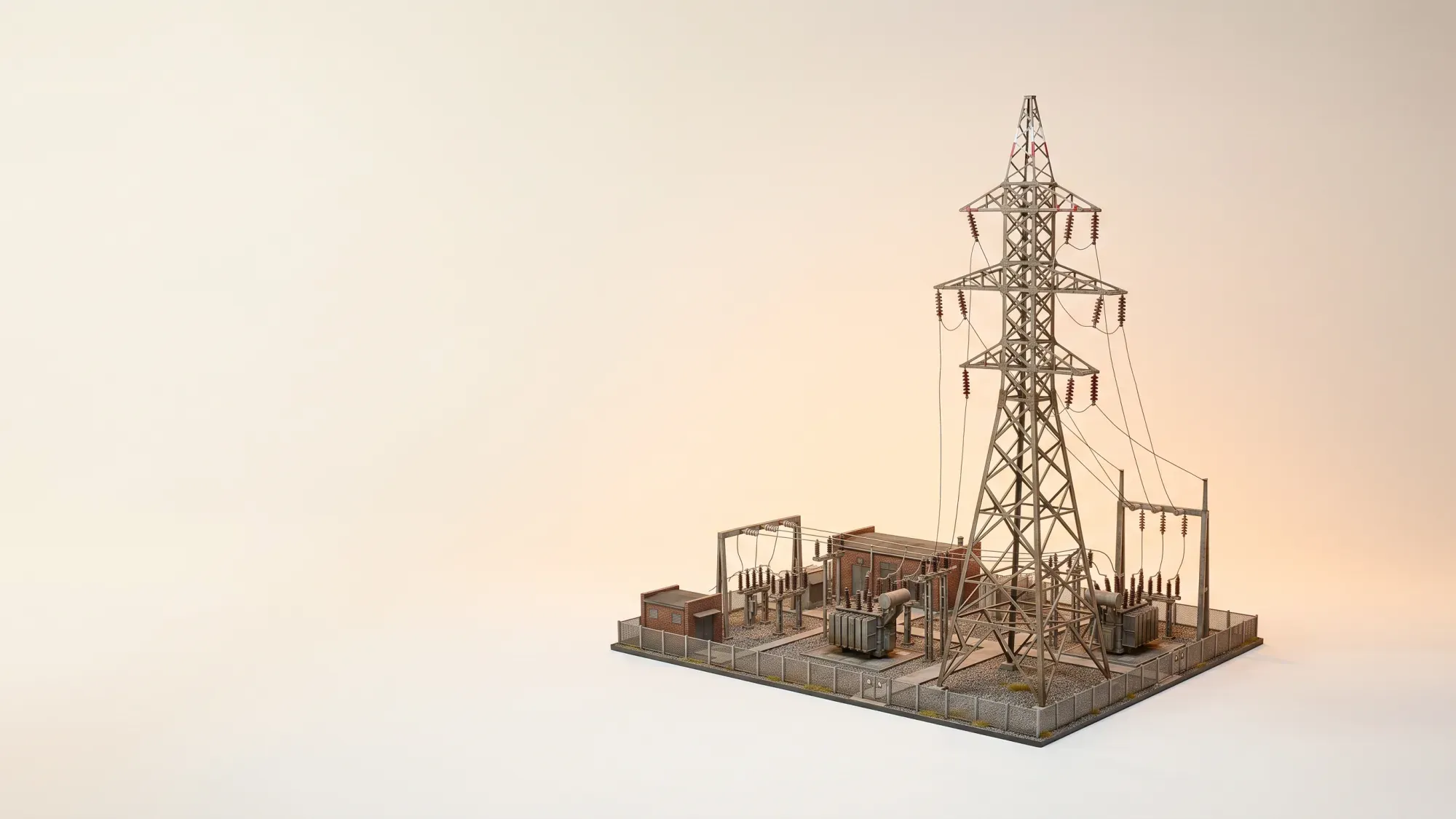
The Targeted Charging Review (TCR) is a significant regulatory change introduced by Ofgem, the UK's energy regulator, designed to reshape how network charges are applied to electricity bills in Great Britain. Its core purpose is to ensure the costs of maintaining and upgrading the electricity network are distributed more fairly and efficiently across all energy users. For homeowners, this means understanding how these changes affect your energy bill, particularly your standing charge and unit rates.
Enter your address to get a quote and see how much you could save
Understanding the targeted charging review (TCR)
The TCR represents a shift in how energy suppliers are charged for using the electricity network, which then influences the costs passed on to consumers. It's part of a broader effort to create a more cost-reflective and less distortive energy market.
What are network charges?
Network charges cover the essential costs of building, maintaining, and operating the vast electricity and gas networks that deliver energy to your home. These charges are a significant component of your overall energy bill. They ensure the infrastructure - the pylons, cables, and pipes - is reliable and ready to transport energy from generation sources to your property.
Why did Ofgem introduce TCR?
Ofgem launched the TCR to address concerns that the previous charging framework led to inefficient use of the networks and unfair outcomes for consumers. Before the TCR, some larger energy users could reduce their network charges by generating their own electricity or using specific energy management techniques, effectively shifting costs onto other consumers. This created distortions in the energy market. The review aimed to rebalance these charges, ensuring all users contribute appropriately to the upkeep of the National Grid.
What is the main goal of the TCR?
The primary goal of the TCR is to ensure that the costs of maintaining and upgrading the UK's electricity network are distributed more fairly and efficiently among all energy users. Ofgem introduced it to address market distortions and ensure everyone contributes appropriately to the grid's upkeep, moving towards a more cost-reflective system.
Key changes under the TCR
The TCR has introduced two distinct changes to how network costs are recovered: residual charges and embedded benefits. Residual charges, which cover the fixed costs of providing existing pylons and cables, are now levied as fixed charges for all households and businesses. The review also targeted 'embedded benefits', which were differences in charging arrangements that favoured smaller distributed generators over larger ones. By reforming these, Ofgem aims to reduce market distortions and ensure a more equitable distribution of costs.
How TCR impacts your household energy bill
The TCR directly affects the structure of your household electricity bill, particularly how network costs are presented. The most noticeable changes for many domestic customers have been to the daily standing charge and, to a lesser extent, unit rates.
Changes to standing charges
A key outcome of the TCR is a rebalancing of fixed and variable network charges, which has led to an increase in the daily standing charge for most domestic electricity customers. The standing charge is a fixed daily fee that covers the costs of connecting your home to the energy network, regardless of how much energy you use. This includes expenses like meter reading, grid maintenance, and administrative costs. While this uplift can feel like a "penalty" to some, especially low energy users, the intention is to spread network costs more equitably across the entire user base.
Impact on unit rates
While the standing charge has seen the most significant adjustment, unit rates (the cost per kilowatt-hour of energy) might have also seen changes. Before the TCR, some residual charges were recovered through the unit rate. With these costs now largely shifted to the standing charge, some suppliers may have adjusted unit rates accordingly. However, the overall aim is for the distribution and transmission companies to recover the same amount of revenue they were allowed under the old mechanism.
Who benefits and who pays more?
Ofgem's decisions aim to make network charges more cost-reflective and reduce distortions. Historically, some users could reduce their network charges by managing their energy use at specific times, effectively shifting costs onto others. The TCR seeks to ensure all users contribute fairly to the upkeep of the National Grid. This means that consumers who previously benefited from reduced contributions due to on-site generation or load shifting, without a corresponding reduction in system costs, may now pay more on average. Conversely, those who haven't taken such actions might find their overall costs more balanced.
Making a power play: navigating TCR for homeowners
The TCR might seem like a complex regulatory change, but it also presents an opportunity for homeowners to take control of their energy usage and costs. Understanding these shifts empowers you to make informed choices and turn regulatory changes into a personal advantage.
Understanding your energy statement
With changes like the TCR affecting how your bill is structured, it's always a good idea to review your current energy tariff. Pay close attention to the standing charge component and your unit rates. While the standing charge is largely fixed by regulation, understanding your specific tariff can help you make informed decisions about your overall energy consumption. Knowing how much you're paying for fixed network costs versus the energy you actually use is the first step to making a power play.
The role of smart meters and flexible tariffs
Smart meters play a crucial role in managing your energy costs under the new charging structure. They provide real-time usage data, allowing you to see exactly how and when you're consuming electricity. This data, combined with flexible tariffs that reward off-peak usage, can help you adapt your consumption patterns to minimise your overall spend. By shifting high-demand activities to cheaper times, you can make the most of tariffs designed for a smarter grid.
Future-proofing your home energy
Looking ahead, understanding the implications of the TCR can help you future-proof your home energy strategy. As the grid becomes more flexible, technologies like solar panels, home batteries, and electric vehicle (EV) charging become even more valuable. These can increase your energy independence and allow you to participate more actively in a dynamic energy market. Embracing smart home technology and considering energy upgrades can align with the grid's evolution, giving you greater control and potentially reducing your long-term energy costs.
TCR and the future of UK energy
The TCR is not just about rebalancing costs; it's a step towards a more modern and flexible energy system. It aligns with the vision of an abundant energy future where informed consumers play a key role.
Supporting a smarter, more flexible grid
The changes brought by the TCR support the transition to a smarter, more flexible energy grid. By ensuring that network costs are recovered more fairly, it encourages efficient use of the network and reduces distortions that previously hindered the development of a more dynamic system. This move helps create a more stable and sustainable energy infrastructure capable of handling increasing renewable generation and evolving consumer demands.
Long-term benefits for consumers
While the immediate impact of increased standing charges might feel challenging, the long-term benefits for consumers are significant. By removing distortions and ensuring all users contribute appropriately, the TCR aims to foster a more competitive and efficient energy market for everyone. This paves the way for innovative tariffs and services that reward flexible energy consumption, ultimately giving homeowners more options and greater control over their energy bills in a future with abundant, clean energy.
Frequently asked questions about TCR
When did TCR come into effect?
The implementation of the TCR began in phases. Distribution charges were effective from April 2022, and transmission charges followed from April 2023. The final phase impacting domestic consumers was from April 2022.
Can I avoid TCR charges?
No, you cannot avoid TCR charges. They are part of the network charges applied to all energy bills, covering the essential costs of connecting your property to the electricity and gas networks. These are fixed daily charges, meaning you will incur them even if you use no energy at all.
Where can I find more information?
For more detailed information, you can consult official sources such as Ofgem's website, which provides regulatory decisions and consumer advice. Energy suppliers and consumer advice organisations also offer guidance on how the TCR might affect your specific energy arrangements.
Disclaimer
For the avoidance of doubt, this article is provided for informational purposes only and is not intended to constitute legal or financial advice. The author and/or Fuse Energy shall not be responsible for any losses arising out of any reliance on the information contained herein.