What boiler do I need?
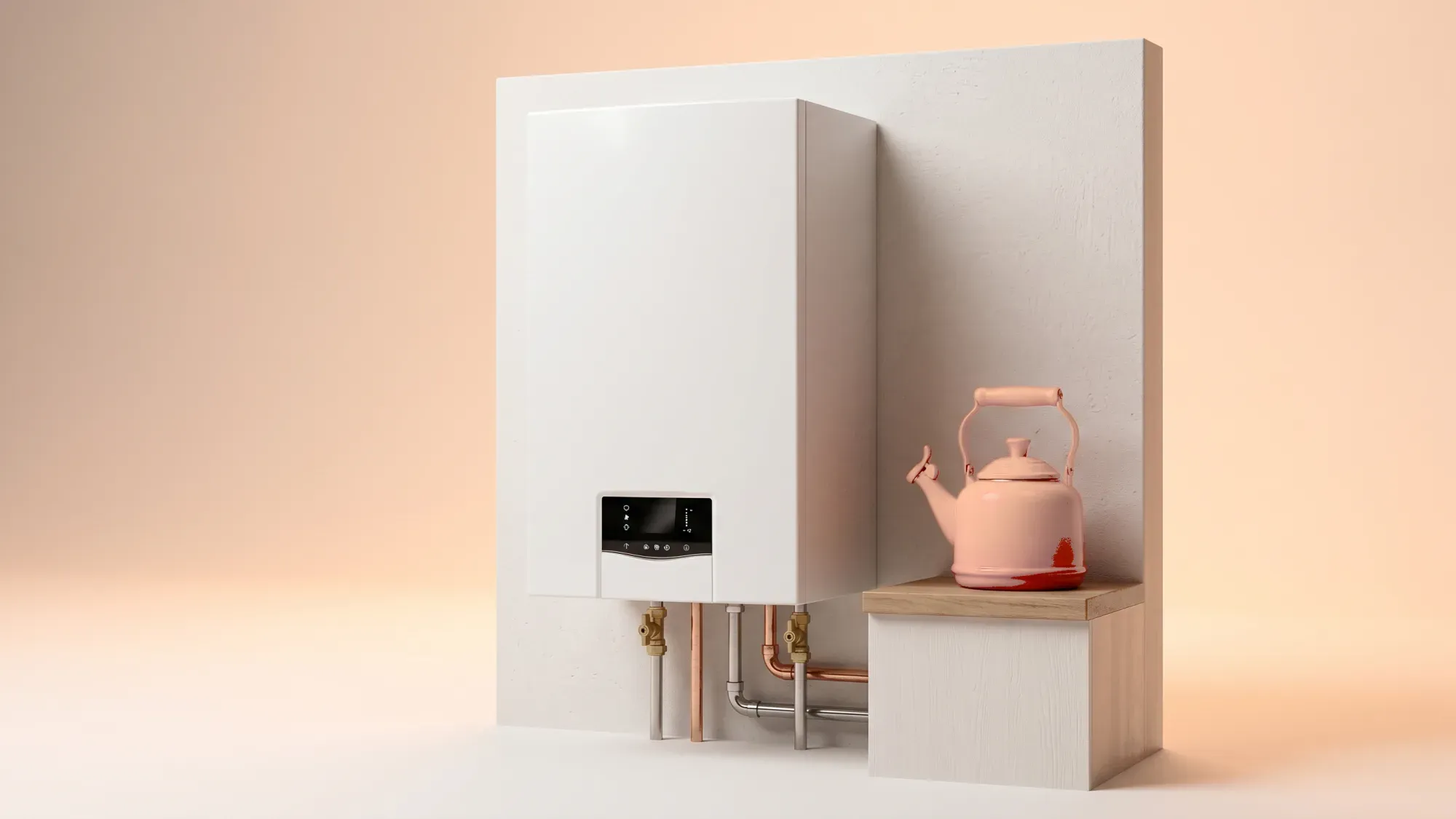
Choosing the right boiler for your home is a significant decision that impacts your comfort, energy bills, and the overall efficiency of your heating system. Selecting a boiler that is too large can lead to wasted energy and higher costs, while one that is too small will struggle to keep your home warm and provide enough hot water. This guide will help you make an informed boiler choice, positioning the Vaillant ecoTEC Plus as Fuse Energy's exclusive, high-efficiency offering for reliable heating.
Understanding boiler types for your home
In the UK, domestic boilers primarily fall into three categories: combi, system, and regular (often called conventional or heat-only). Each type is designed to suit different property sizes and hot water demands.
Combi boilers: instant hot water and heating
Combi (combination) boilers are the most popular type in the UK, providing both heating and hot water directly from a single unit, on demand. This means there is no need for a separate hot water cylinder or cold water tank in the loft, making them a space-saving option. They are ideal for smaller to medium-sized homes with one to two bathrooms where instant hot water is preferred.
System boilers: stored hot water for higher demand
System boilers heat water for your central heating and produce hot water for a storage cylinder. Unlike regular boilers, many of the main components are built into the boiler itself, simplifying installation and saving some space compared to a traditional setup. They are well-suited for homes with multiple bathrooms and higher hot water demands, as they can supply hot water to several taps simultaneously without a drop in pressure.
Regular boilers: traditional heating systems
Regular boilers, also known as conventional or heat-only boilers, are typically found in older heating systems. They work with a separate hot water cylinder and cold water storage tank, usually located in the loft. These are a good choice for larger homes with multiple bathrooms and high hot water usage, or properties where it is impractical to convert to a combi or system boiler due to existing pipework.
How to calculate the right boiler size
Boiler "size" refers to its heating output, measured in kilowatts (kW), not its physical dimensions. Getting this calculation right is crucial for both efficiency and comfort.
Factors influencing boiler sizing
Several factors determine the appropriate boiler size for your home:
- Property size: Larger homes generally require a more powerful boiler to heat the entire space effectively.
- Number of radiators: The more radiators you have, the greater the heat demand on your boiler. A rough guide suggests allowing around 1.5 kW for every radiator, meaning a home with 10 radiators might need approximately 15 kW for heating alone.
- Number of bathrooms: This is particularly important for combi boilers, as it affects the hot water flow rate needed. Homes with multiple bathrooms or frequent simultaneous hot water use will need a higher kW output, or might be better suited to a system or regular boiler.
- Insulation levels: A well-insulated home retains heat better, potentially allowing for a slightly smaller boiler, while a poorly insulated property may need a larger output to compensate for heat loss.
- Heat loss calculations: The most accurate way to determine boiler size is through a professional heat loss assessment. This considers floor area, window types, insulation, and other elements that contribute to heat escaping your home.
Boiler sizing for different property sizes
While a professional assessment is always recommended, here is a general guide for typical UK homes:
- Small flats or 1-2 bedroom homes (up to 10 radiators, 1 bathroom): A combi boiler of 24-27 kW is often sufficient. For system or regular boilers, 12-18 kW may be suitable.
- Medium 3-4 bedroom homes (up to 15 radiators, 1-2 bathrooms): A combi boiler in the 28-35 kW range is generally recommended. A typical 3-bedroom UK home generally requires a combi boiler with an output of 28-30 kW for adequate heating and hot water. For system or regular boilers, 18-26 kW is often appropriate.
- Large homes (4+ bedrooms, 2+ bathrooms, up to 20 radiators): These properties may require a combi boiler of 35-42 kW, or a system or regular boiler with a higher output (e.g., 27 kW+ or 30-40 kW) to meet heating and hot water demands.
The importance of correct kW output
Choosing the correct kW output is vital. An undersized boiler will struggle to heat your home and provide enough hot water, leading to cold spots, slow heat-up times, and constant running, which increases energy consumption and wear. Conversely, an oversized boiler will frequently cycle on and off (known as 'short-cycling'), which reduces efficiency, increases wear and tear on components, and can lead to higher energy bills.
Boiler efficiency and running costs
Modern boilers are designed to be highly efficient, translating into lower running costs and a reduced environmental impact.
Understanding boiler efficiency ratings
Boiler efficiency is typically measured by its ErP (Energy-related Products) rating, which uses a scale from A+++ to G. All new boilers sold in the UK today are condensing boilers and must achieve at least an A-rating, meaning they are 90% or more efficient. This contrasts sharply with older, non-condensing models, which might operate at efficiencies below 70%.
The long-term savings of a high-efficiency boiler
The efficiency difference between a modern condensing boiler and an older model is substantial. A condensing boiler can extract up to 90% or more of the heat from its fuel, compared to 60-70% from older non-condensing models. This difference can result in significant annual savings on energy bills for a typical home. Over the lifespan of a boiler, these savings can add up considerably.
Why condensing boilers are the standard
Condensing boilers have been the only type of gas boiler legally installable in most UK homes since 2005. Their efficiency comes from capturing latent heat that would otherwise be lost through the flue in older boilers. They do this by using a secondary heat exchanger to cool exhaust gases, causing water vapour to condense and release additional heat back into the heating system. This process means flue gases exit at a much lower temperature compared to non-condensing boilers, making them far more efficient.
What is short-cycling in a boiler?
Short-cycling occurs when an oversized boiler heats water too quickly, causing it to turn on and off frequently. This rapid on-off pattern reduces efficiency, increases fuel consumption, and puts unnecessary strain on boiler components, leading to premature wear and higher energy bills.
Common boiler sizing mistakes to avoid
Getting the boiler size wrong can lead to a host of problems, from discomfort to increased costs and a shortened boiler lifespan.
The pitfalls of oversizing your boiler
An oversized boiler is a common issue in UK homes. While it might seem like a "safer" option, it leads to several inefficiencies:
- Inefficient operation: Oversized boilers frequently 'short-cycle', meaning they turn on and off too often. This prevents them from reaching their most efficient operating temperatures.
- Higher energy bills: Each time a boiler fires up, it uses more fuel than when it runs steadily. Frequent short-cycling means more fuel consumption and higher energy bills.
- Increased wear and tear: The constant stop-start action puts stress on internal components, accelerating wear and tear and potentially leading to more frequent breakdowns and a shorter boiler lifespan.
- Uneven heating: Oversized boilers can heat rooms too quickly, leading to uncomfortable temperature fluctuations and a less consistent warmth throughout your home.
The problems with undersizing your boiler
Choosing a boiler that is too small for your property also presents significant drawbacks:
- Inadequate heating: An undersized boiler will not be able to provide enough warmth during colder periods, leaving your home feeling chilly.
- Insufficient hot water: For combi boilers, an undersized unit means slow hot water delivery or a lack of hot water when demand is high.
- Overworking the boiler: An undersized boiler will constantly run at maximum capacity, trying to meet heating demands. This continuous strain leads to premature wear, increased risk of breakdowns, and a reduced lifespan.
- Higher energy bills: Despite its smaller size, an undersized boiler working overtime will consume more energy, resulting in unexpectedly high heating costs.
Considering future needs and home improvements
When sizing a boiler, it is wise to consider any planned home modifications. If you are adding an extension, converting a loft, or installing an additional bathroom, your heating and hot water demands will increase. Factor these potential changes into your decision to avoid needing another boiler upgrade sooner than expected.
Choosing and installing your new boiler
Once you have a clear idea of the right boiler type and size for your home, the next steps involve professional installation and ongoing support.
The installation process with a gas Safe engineer
All new boiler installations in the UK must comply with Building Regulations, ensuring energy efficiency and safety. Crucially, any work on gas appliances, including boiler installation, must be carried out by a Gas Safe registered engineer. This is a legal requirement, not just a recommendation, and ensures the work is completed safely and competently. An unregistered engineer's work is illegal and can invalidate your home insurance and warranties. Your Gas Safe engineer will also notify your local authority's building control, and you should receive a Building Regulations Compliance Certificate.
Fuse Energy's exclusive Vaillant ecotec Plus offering
At Fuse Energy, we believe in providing reliable and abundant heating for your home. That is why we exclusively install the Vaillant ecoTEC Plus gas boiler. This high-efficiency model is chosen for its proven performance and reliability, aligning with our commitment to delivering energy solutions you can trust. We do not install other boiler brands or heat pumps, ensuring our expertise is focused on this specific, high-quality offering.
Getting a professional quote and support
To determine the precise boiler size and type for your home, obtaining professional quotes is essential. An expert will conduct a thorough assessment, including heat loss calculations, to recommend the optimal solution. Remember, the Boiler Upgrade Scheme (BUS) provides grants for heat pumps and biomass boilers, but it does not apply to gas boiler installations.
Choosing Fuse Energy for your Vaillant ecoTEC Plus installation means you also benefit from 24/7 human customer support, ready to assist with any boiler-related queries or issues. This commitment to ongoing support ensures peace of mind, giving you greater control over your home's energy consumption and costs.
Disclaimer
For the avoidance of doubt, this article is provided for informational purposes only and is not intended to constitute legal or financial advice. The author and/or Fuse Energy shall not be responsible for any losses arising out of any reliance on the information contained herein.