10 ways to save electricity at home

Rising electricity costs are a concern for many UK homeowners and renters. Whether you're looking to reduce your environmental footprint or simply find the best ways to save electricity, understanding your usage and making smart changes can significantly lower your bills. This guide offers practical advice tailored for UK households, helping you identify areas for improvement and take control of your energy consumption.
Saving electricity at home is easier when you have a clear view of your usage. With Fuse Energy, our transparent billing helps you understand exactly where your energy goes, empowering you to make smarter choices. Click here to see how much money you could save with Fuse Energy.
Enter your address to get a quote and see how much you could save
Understanding your electricity usage for smarter savings
The first step to reducing electricity use is understanding how much you consume and when. For households with traditional meters or smart meters that are offline, bills are often based on estimates, which can obscure real usage patterns. Submitting a manual meter reading (preferably on the 1st of each month) ensures your bill reflects actual consumption and gives you a clearer view of usage in kilowatt-hours (kWh). This makes it easier to link everyday habits to costs and spot high-usage periods. If you have a fully functioning smart meter, readings are sent automatically and you can typically track near real-time usage through our app, removing the need for manual submissions while offering even greater visibility and control.
Practical ways to reduce electricity consumption in your UK home
Making adjustments to your daily routine and upgrading your home's efficiency can lead to big savings. Here are some of the best ways you can do so.
Everyday habits to cut your electricity bill
Simple behavioural changes are often the easiest and most effective ways to save on your electricity bill.
- Turn off lights: It sounds obvious, but leaving lights on in empty rooms wastes energy. Get into the habit of switching them off as you leave.
- Unplug devices: Many electronics, like TVs, chargers, and game consoles, consume power even when switched off - this is known as “phantom load” or “standby power”. This can account for 9-16% of total electricity consumption in an average UK household. Unplugging them or using smart plugs can eliminate this wasted energy, delivering savings without the extra cost associated with replacing devices.
- Wash clothes efficiently: Use your washing machine with a full load and opt for lower temperature cycles (30°C or less). Modern detergents are effective even in cold water. As most lifecycle emissions come from heating water during use, these changes significantly reduce the machine’s overall footprint.
- Reduce tumble dryer use: Tumble dryers are energy-hungry. Air-dry clothes whenever possible, especially during warmer months.
- Boil only what you need: Only fill the kettle with the amount of water you need for your drink. Overfilling wastes electricity. Given how frequently kettles are used, reducing repeated excess heating lowers cumulative lifecycle energy use.
- Limit shower time: Electric showers can use a lot of energy. Shorter showers reduce both electricity and water heating costs. This directly lowers ongoing energy demand, which is the dominant factor in lifecycle emissions for hot water use.
- Defrost your fridge/freezer: A build-up of ice makes these appliances work harder, consuming more electricity. Regular defrosting keeps them running efficiently.
Making your appliances and lighting more efficient
Investing in energy-efficient options can provide long-term savings.
- Switch to LED lighting: If you haven't already, replace old incandescent or halogen bulbs with LEDs. They use significantly less electricity and last much longer.
- Upgrade old appliances: Older appliances are often less energy-efficient. When it's time to replace a fridge, washing machine, or dishwasher, look for models with high energy efficiency ratings (e.g., A-G rated). The UK uses an A-G scale, where A is the most efficient, which replaced older A+, A++ and A+++ ratings in 2021 to simplify comparison.
- Optimise heating controls: Use your thermostat effectively. Lowering your thermostat by just one degree can make a noticeable difference to your heating bill. Consider a smart thermostat for greater control.
Maximising your savings: support and monitoring your progress
Saving electrical energy isn't just about individual effort; there's also support available and tools to help you track your success.
UK government support for lowering energy costs
The UK government offers various schemes to help households with their energy bills. While Fuse Energy doesn't manage these directly, it's worth checking your eligibility.
- Warm Home Discount Scheme: A one-off discount of £150 on your electricity bill for eligible low-income households in England, Scotland, and Wales1. This discount is usually applied automatically if you're eligible.
- Winter Fuel Payment: An annual payment of between £100 and £300 to help older people with their heating costs2. Most eligible people receive this payment automatically. Please note that at Fuse Energy, we currently do not offer the Winter Fuel Payment.
For the most up-to-date information and to check eligibility, always refer to official government sources like Gov.uk.
Tracking your electricity use with Fuse Energy
Understanding how your efforts translate into savings is incredibly motivating. Fuse Energy's transparent billing model helps you track your electricity use effectively. By providing accurate monthly bills based on actual consumption (when readings are submitted on time), you can clearly see the financial impact of your energy-saving habits. This direct feedback loop empowers you to adjust your usage further, ensuring you're always finding the best ways to save electricity and keep your household bills in check.
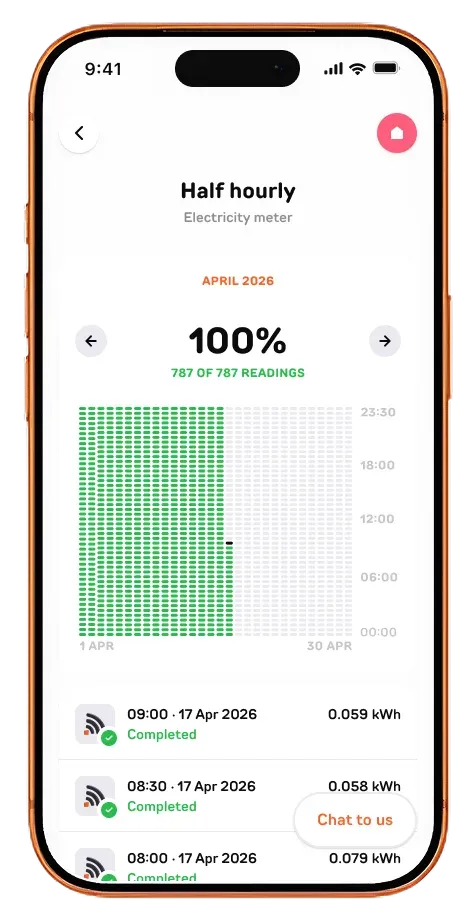
Ready to take control of your energy bills? Fuse Energy offers clear, transparent billing based on your actual usage, not estimates. Our app provides real-time insights into your consumption, helping you track your progress and make informed decisions. Switching to Fuse Energy is quick and easy, taking as little as 3 minutes. Click here to switch today and start your journey towards smarter energy savings. You can also learn more about our mission to make energy fairer and simpler by clicking here.
References
- GOV.UK. Warm Home Discount Scheme.
- GOV.UK. Winter Fuel Payment.
Disclaimer
For the avoidance of doubt, this article is provided for informational purposes only and is not intended to constitute legal or financial advice. The author and/or Fuse Energy shall not be responsible for any losses arising out of any reliance on the information contained herein.