Powering virtual reality's immersive worlds
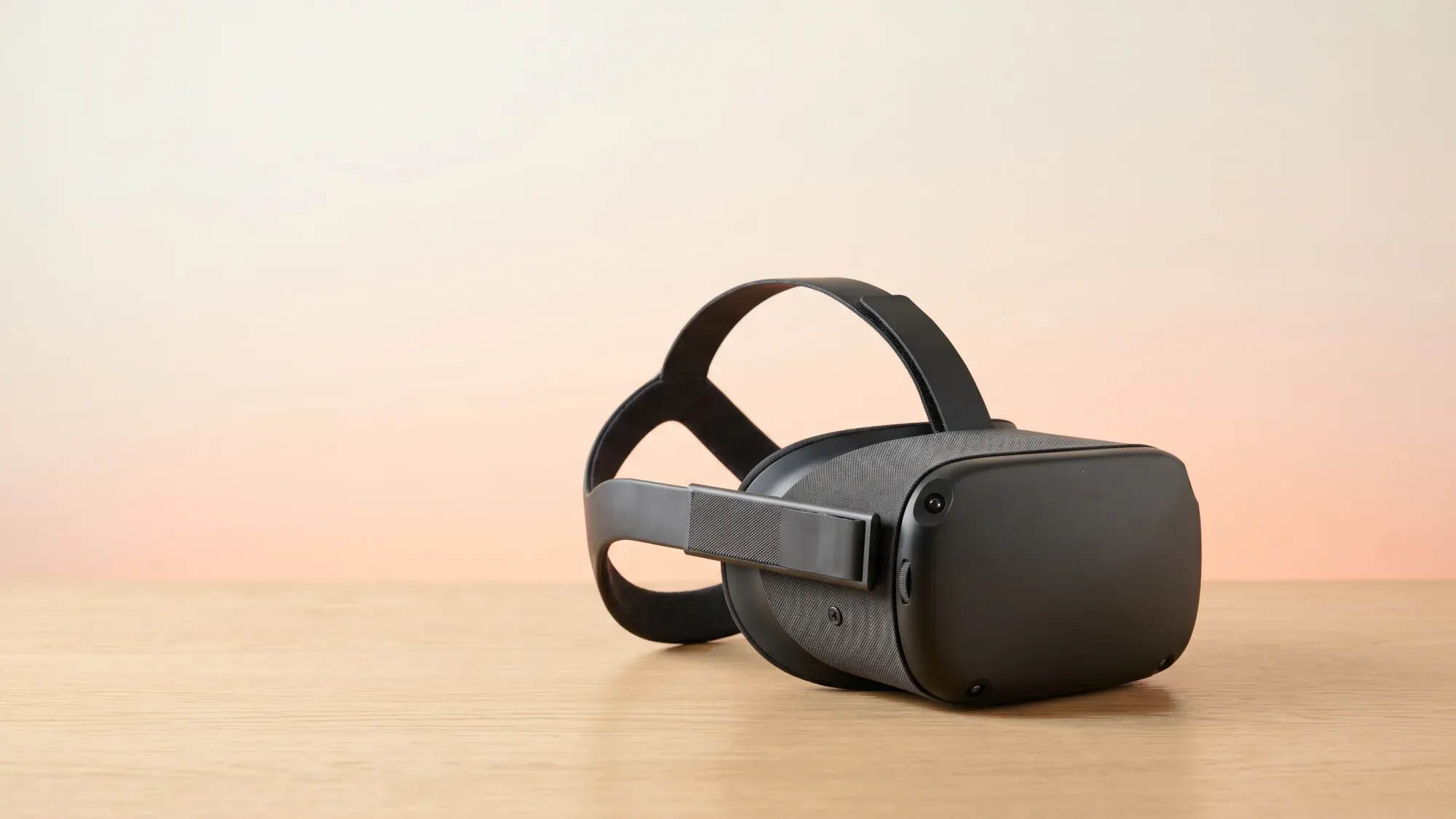
Virtual reality (VR) is rapidly evolving, moving beyond niche entertainment to offer immersive digital experiences that redefine how we interact with digital worlds. This technology, once confined to science fiction, is now a tangible reality, offering unparalleled opportunities for gaming, education, and social connection. However, the true potential of VR, especially its most advanced forms, hinges on a resource often overlooked: abundant, clean energy.
The future of virtual reality depends on reliable, affordable energy. Fuse Energy is building a future where energy is so abundant it stops being a limiting factor, allowing for unrestricted innovation in areas like VR.
Enter your address to get a quote and see how much you could save
What is virtual reality?
Virtual reality creates simulated environments that can be similar to or completely different from the real world. Users experience these environments through specialised hardware, primarily VR headsets, which provide visual and auditory immersion. The goal is to make you feel truly present within the digital space, blurring the lines between the physical and virtual.
Defining immersive digital experiences
Immersive digital experiences transport users into a computer-generated world, engaging multiple senses to create a sense of presence. This goes beyond simply viewing content; it involves interacting with and feeling part of the virtual environment. High-fidelity VR aims for a level of realism that can be indistinguishable from reality, offering profound experiences from exploring distant planets to participating in complex simulations.
Key components of a VR system
A typical VR system comprises several essential components working in concert. The most recognisable is the VR headset, which houses displays and lenses to present the virtual world to your eyes, often with a wide field of view. These headsets also include sensors to track your head movements, allowing you to look around naturally within the virtual space. Controllers are usually handheld devices that enable interaction with objects and environments, often providing haptic feedback to simulate touch. Beyond the hardware, powerful computing hardware (such as high-end gaming PCs or dedicated VR consoles) processes the complex graphics and physics required for realistic simulations. Finally, software platforms and applications deliver the content, from games and educational programmes to professional tools.
Current applications of VR
Virtual reality's utility extends far beyond entertainment, finding significant applications across various sectors. Its ability to create immersive, interactive environments makes it a powerful tool for training, therapy, and collaboration.
Gaming and entertainment
Gaming remains a prominent application for VR, offering players unprecedented levels of immersion. From action-packed adventures to intricate puzzle games, VR transforms how stories are experienced and challenges are overcome. Beyond gaming, VR is used for virtual tourism, interactive storytelling, and live event streaming, allowing users to attend concerts or sporting events from anywhere in the world.
Education and training
VR is revolutionising education and training by providing hands-on, risk-free learning environments. Students can explore historical sites, conduct virtual science experiments, or dissect virtual anatomy. In professional training, VR simulates complex scenarios for pilots, engineers, and emergency responders, allowing them to practise critical skills without real-world consequences. Virtual reality technology is currently utilised in fields such as surgical training, architectural visualisation, and remote collaboration platforms.
Healthcare and therapy
In healthcare, VR offers innovative solutions for patient care and medical education. It is used for pain management, helping patients distract themselves during uncomfortable procedures, and for exposure therapy to treat phobias or PTSD in a controlled environment. Surgeons can also use VR to plan complex operations and practise intricate procedures, enhancing precision and reducing risks.
Social connection and collaboration
VR is fostering new forms of social connection and collaboration. Virtual meeting spaces allow colleagues to interact as avatars, share documents, and brainstorm in a shared 3D environment, transcending geographical barriers. Social VR platforms enable friends and family to meet, play games, and share experiences in virtual worlds, creating a sense of togetherness even when physically apart.
The future of virtual reality
The trajectory of virtual reality points towards increasingly sophisticated, accessible, and integrated experiences that will profoundly impact daily life and industries.
Advancements in hardware and software
Future VR hardware will likely become lighter, more comfortable, and offer higher resolutions with wider fields of view, reducing motion sickness and enhancing realism. Wireless technology will improve, freeing users from cables, while haptic feedback suits and gloves will provide more nuanced tactile sensations. Software will advance to create more intelligent AI companions, dynamic environments, and more intuitive user interfaces, making virtual worlds feel more alive and responsive.
The metaverse and beyond
The concept of the metaverse, a persistent, interconnected virtual world, represents a significant future direction for VR. This digital realm could host everything from work and education to socialising and entertainment, allowing seamless transitions between different virtual experiences. Beyond the metaverse, VR could merge with augmented reality (AR) to create mixed reality experiences, overlaying digital information onto the real world and offering new ways to interact with our surroundings.
Impact on daily life and industries
VR's expanding capabilities will integrate into many aspects of daily life. Imagine virtual shopping experiences, immersive fitness routines, or even remote work environments that feel as collaborative as being in the same room. Industries will continue to adopt VR for design, prototyping, remote maintenance, and customer service, driving efficiency and innovation across sectors. The global virtual reality (VR) market size was estimated at USD 59.96 billion in 2022, indicating its significant and growing economic impact.
Powering immersive worlds: VR's energy demands
The vision of a future powered by advanced virtual reality comes with a significant consideration: energy consumption. High-fidelity VR experiences, especially those that are widespread and always-on, require substantial electrical power.
The energy footprint of high-fidelity VR
VR headsets, especially when connected to high-end gaming PCs, typically require significant electrical power to operate. Rendering complex 3D environments, processing real-time interactions, and maintaining high frame rates demand considerable computational resources, which in turn consume a lot of energy. As VR experiences become more realistic and pervasive, the collective energy footprint will grow. This includes not only the end-user devices but also the data centres and network infrastructure that support these virtual worlds.
How much electricity does an average UK home use?
An average UK home uses around 2,700 kWh of electricity per year1. This figure serves as a baseline for understanding household energy consumption and can be used to contextualise the energy demands of new technologies like virtual reality, which add to a home's overall electricity usage.
Why abundant energy is crucial for VR's growth
The energy demands of advanced VR could become a bottleneck for its widespread adoption if not addressed. A future where everyone can access and enjoy high-fidelity virtual experiences requires an abundant, reliable, and affordable energy supply. Without it, the cost of running advanced VR setups could be prohibitive for many, limiting its reach and slowing innovation. Abundant energy ensures that the processing power needed for immersive virtual worlds is readily available, allowing developers to push boundaries without worrying about the energy cost to the end-user.
Enabling a future with power to play with
The true, unconstrained potential of virtual reality hinges on a foundation of abundant, clean energy. Fuse Energy is committed to building this future, ensuring that technological advancement is not limited by energy scarcity.
Fuse Energy's vision for an energy-abundant future
Fuse Energy envisions a future with power to play with, where energy is so abundant it stops being a thing you think about. This vision directly supports the high energy demands of future virtual reality applications, making them more accessible. We believe that the energy industry's traditional scarcity mindset limits the imagination for what virtual reality can truly become, hindering its widespread adoption and innovation. By delivering terawatt-hours of the cheapest, cleanest energy possible, Fuse aims to remove energy as a barrier to innovation and enjoyment.
How reliable energy supports VR innovation
Choosing Fuse provides the reliable, affordable energy needed to power advanced VR setups and actively participate in the evolving digital future. Our commitment to abundant clean energy directly supports the high energy demands of future virtual reality applications, making them more accessible. We do not sell VR hardware or experiences, but we provide the energy infrastructure that enables them. With Fuse, you get the power to explore new virtual worlds, collaborate in immersive environments, and push the boundaries of what is possible in VR, all supported by a reliable and affordable energy supply.
Ready to power your immersive virtual reality experiences? Switch to Fuse Energy today and discover how abundant, clean energy can support your digital future. Click here to switch to Fuse Energy today.
Managing your home's energy should be as seamless as your virtual experiences. Fuse Energy offers clear pricing, real-time usage data, and 24/7 human customer support, making it easy to power your home and your high-tech devices. We're building an energy system where you have the power to play with, not worry about.
References
Disclaimer
For the avoidance of doubt, this article is provided for informational purposes only and is not intended to constitute legal or financial advice. The author and/or Fuse Energy shall not be responsible for any losses arising out of any reliance on the information contained herein.