Utility bill: understanding and managing costs
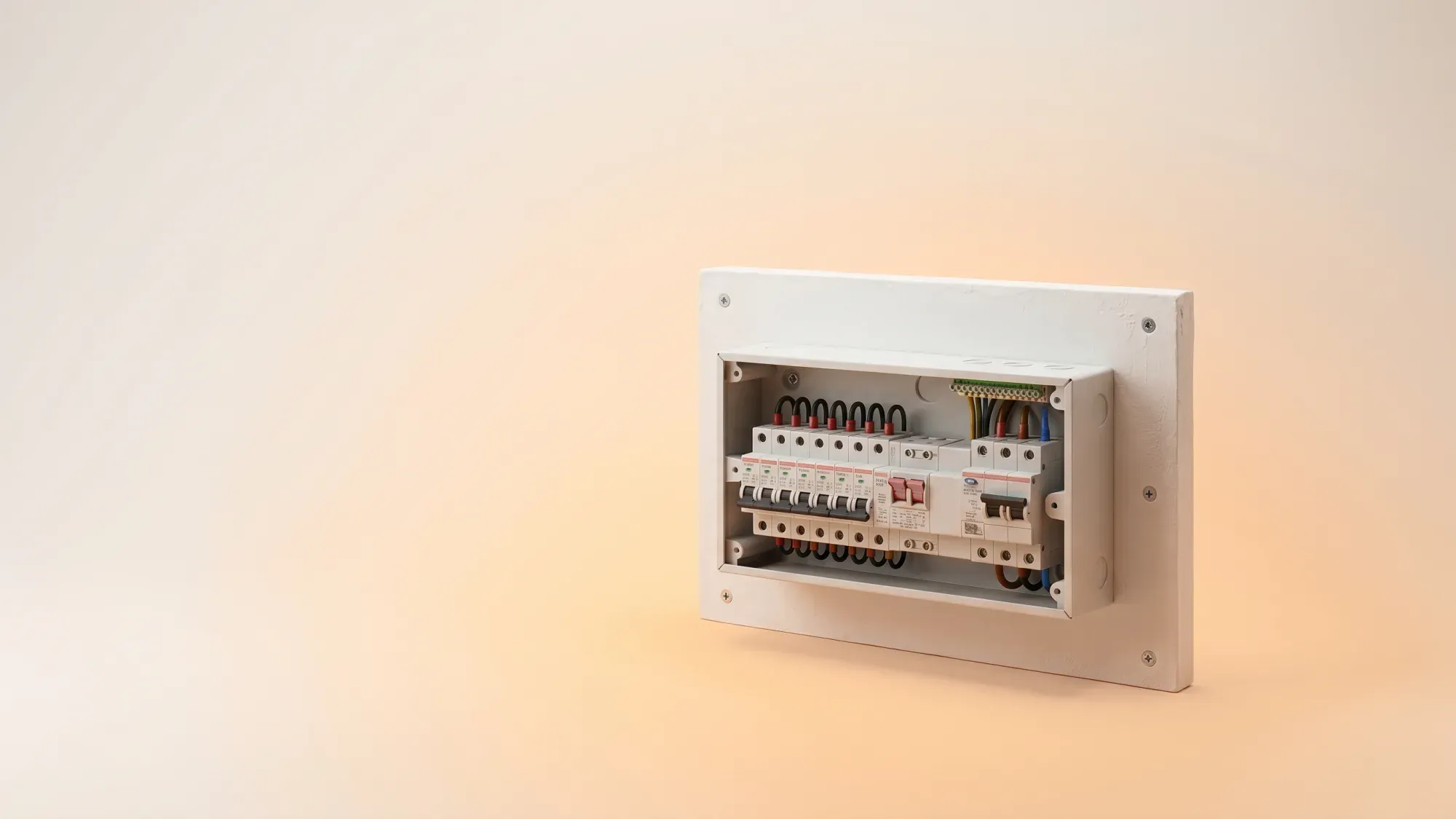
Managing household utility bills can feel overwhelming, but understanding them is the first step to gaining control over your energy usage and finances. These official statements detail charges for essential services like electricity, gas, and water, and often serve as crucial proof of address for various administrative needs. This guide will define utility bills and their components, and empower you with actionable strategies for management and reduction.
Understanding your utility bill is key to managing your home's energy. Fuse Energy offers clear pricing and smart insights to help you take control. Click here to switch to Fuse Energy today.
Enter your address to get a quote and see how much you could save
What is a utility bill?
A utility bill is a formal document from a service provider that outlines your consumption and the corresponding charges for essential household services. These bills are typically issued monthly or quarterly by service providers.
Types of household utility bills
In the UK, the most common household utility bills cover electricity, gas, and water. Other services, such as broadband, landline telephone, and a TV Licence, are also considered household utilities. Your energy bills will detail your usage and costs for electricity and/or gas, while water bills cover supply and wastewater services. Council Tax bills, while not strictly a utility, are another essential household cost.
Why understanding your bill matters
Understanding your utility bill is crucial for managing household finances and gaining control over your energy usage. The UK energy market is regulated by Ofgem, which sets rules for billing, customer service, and the energy price cap. The energy price cap limits the amount suppliers can charge per unit of energy and standing charge, but it does not cap your total bill; the more energy you use, the higher your bill will be. Knowing what you are paying for allows you to identify opportunities for savings and make informed decisions about your consumption.
Decoding your energy bill
Energy bills can seem complex, but breaking them down into their core components makes them easier to understand.
Key components of an energy bill
Your energy bill typically includes several key sections:
- Personal details: Your name and supply address.
- Billing period: The dates your bill covers.
- Consumption: How much electricity and/or gas you have used, usually measured in kilowatt-hours (kWh).
- Unit rates: The price you pay for each kWh of energy consumed.
- Standing charges: A fixed daily charge that covers the cost of supplying energy to your property, regardless of how much you use.
- Total amount due: The overall cost for the billing period, including VAT.
Understanding unit rates and standing charges
Unit rates are the per-unit cost of the energy you consume. For electricity, this is typically expressed in pence per kWh. Standing charges are a daily fee applied to your bill by your energy supplier. This charge covers costs such as maintaining the energy network, meter reading, and administrative expenses. Both the unit rate and standing charge are subject to the energy price cap set by Ofgem.
Meter readings and estimated bills
Your bill is calculated based on your energy usage. This usage is determined by meter readings. If you have a smart meter, readings are typically sent automatically to your supplier. For non-smart meters, you usually need to submit readings manually. If readings are not provided, your supplier may issue an estimated bill. Estimated bills can be inaccurate, leading to you paying too much or too little, which can cause unexpected costs later. Regularly submitting accurate meter readings ensures your bills reflect your actual consumption.
Strategies for managing and reducing utility costs
Taking proactive steps can significantly impact your utility bills.
Comparing energy tariffs
The energy market offers various tariffs, and comparing them regularly can help you find a better deal. Websites allow you to compare offerings from different suppliers based on your usage and postcode. Switching suppliers or tariffs can lead to substantial savings, especially if you are on a Standard Variable Tariff which is subject to the energy price cap.
Energy-saving tips for your home
Reducing your energy consumption directly lowers your bills. Simple measures include:
- Improving insulation in your home.
- Switching to energy-efficient appliances and LED lighting.
- Turning off lights and electronics when not in use.
- Adjusting your thermostat to a lower temperature.
Utilising smart technology
Smart technology, such as smart meters and smart thermostats, provides up-to-date data on your energy usage, empowering you to make informed decisions. The Fuse app, for instance, offers clear, up-to-date data on energy usage and costs, moving beyond opaque monthly statements. This transparency helps you understand your consumption patterns and identify areas for optimisation.
Utility bills as proof of address
Beyond detailing charges, utility bills are frequently required as proof of address for various administrative purposes.
What makes a utility bill valid
For a utility bill to be accepted as proof of address, it typically needs to meet specific criteria:
- It must clearly show your full name and current residential address.
- It must be issued by a recognised utility provider.
- Most organisations require the bill to be dated within the last three months, though some may accept older bills. It is always best to check the specific requirements of the requesting institution.
What is the average UK home electricity usage?
A typical UK household uses around 2,700 kWh of electricity per year. This figure represents the median consumption for a medium-sized home with 2-3 people, providing a useful benchmark for understanding your own energy use.
Common uses for proof of address
Utility bills are widely accepted for:
- Opening bank accounts.
- Registering with a new GP or dentist.
- Applying for a driving licence or passport.
- Enrolling in schools or universities.
- Setting up or transferring other utility accounts.
- Verifying identity for legal or financial processes, such as notarisation.
The future of utility management
The landscape of utility management is evolving, with technology playing an increasingly central role in empowering homeowners.
The role of smart meters
Smart meters are replacing traditional meters, offering automated readings and enabling access to more dynamic tariffs. This technology provides a more accurate picture of your energy consumption and can help you manage costs more effectively. The Radio Teleswitch Service (RTS) for legacy meters, which uses a radio signal to switch between peak and off-peak rates, is being phased out, with the signal switch-off starting on 30 June 2025. If you have an RTS meter, your current supplier should contact you to arrange a free upgrade to a smart meter to avoid potential disruption to your heating or hot water supply.
Embracing digital tools for control
Digital tools and apps are transforming how homeowners interact with their energy usage. Fuse Energy, for example, helps customers make "power plays" by using smart insights to optimise energy consumption, shifting from simply "using less" to "using smarter." The app provides clear, up-to-date data on energy usage and costs, empowering customers to understand their utility bills beyond opaque monthly statements. This proactive approach, combined with 24/7 human customer support, offers personalised assistance to demystify bills and helps customers implement strategies for better management and cost reduction.
Disclaimer
For the avoidance of doubt, this article is provided for informational purposes only and is not intended to constitute legal or financial advice. The author and/or Fuse Energy shall not be responsible for any losses arising out of any reliance on the information contained herein.