Electric meter types explained
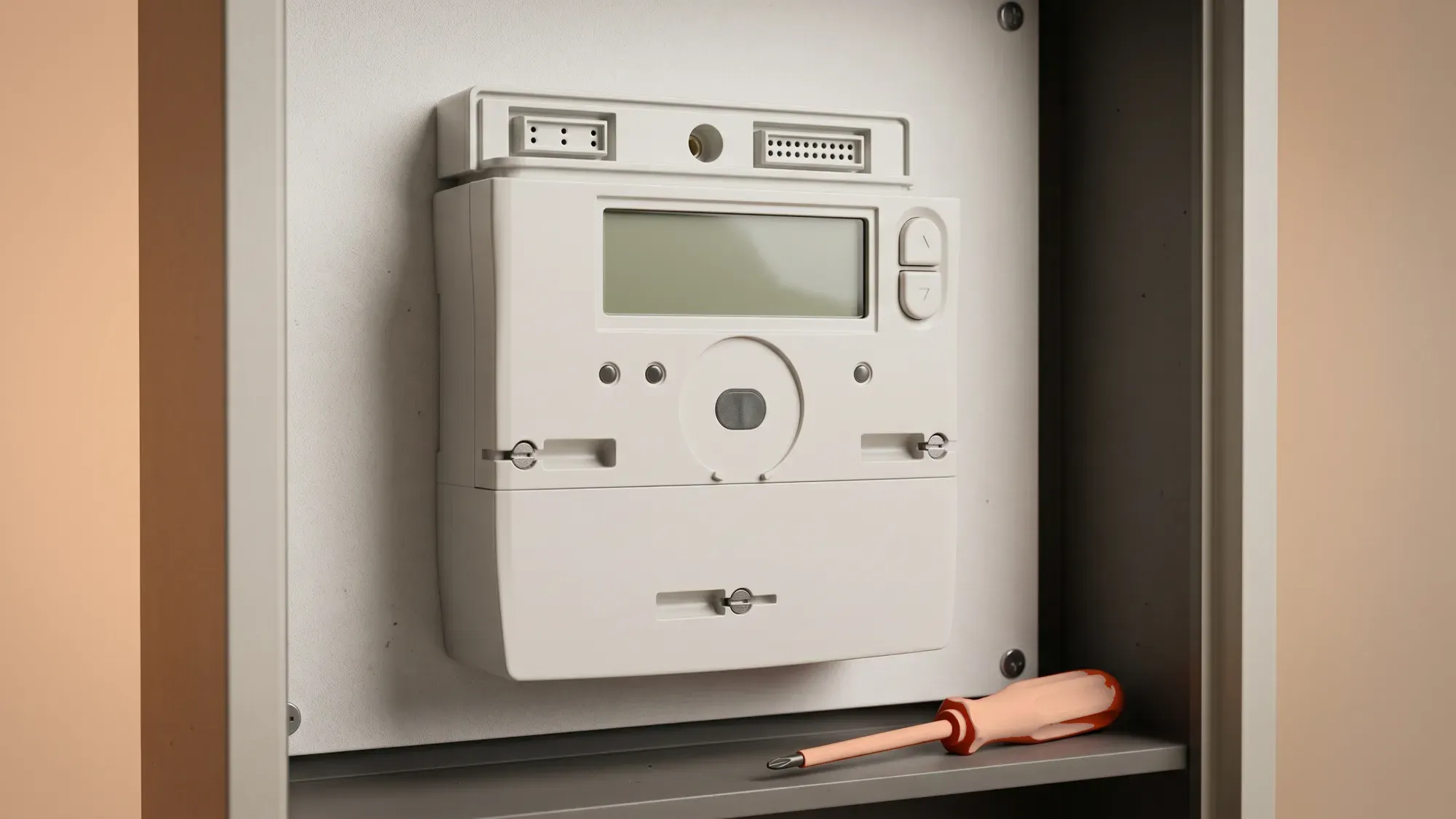
Understanding your electric meter is fundamental to managing your home's energy consumption and bills. Different types of electric meters offer varying features, directly influencing the energy tariffs available to you and how your usage is tracked. This guide clarifies the various electric meter types in the UK, their functions, and how they affect your energy choices.
Managing your energy bills should be clear and easy to understand. Fuse Energy focuses on straightforward pricing, so you can see exactly what you're paying without unnecessary complexity. If you have a smart meter, you can view detailed usage data through the app or website, helping you understand how you can lower your bills. Click here to switch to Fuse Energy today.
Enter your address to get a quote and see how much you could save
What is an electric meter and why does it matter?
An electric meter is the device that measures how much electricity your home uses, forming the basis for your energy bills. Beyond just recording consumption, the type of meter you have can significantly impact your access to modern tariffs and energy management tools.
How meters track your energy use
Electric meters track your electricity consumption in kilowatt-hours (kWh). Traditional meters require manual readings, which you or your energy supplier submit periodically. Smart meters, however, automatically send readings to your supplier, providing more accurate billing and eliminating the need for manual submissions. This automated data can also offer insights into your energy usage patterns. The average UK home uses around 2,700 kWh of electricity per year, and how this is measured directly affects your budget and billing accuracy.
The link between your meter and your tariff
Your meter type dictates which energy tariffs you can access. For instance, off-peak tariffs, which offer different prices for peak and off-peak electricity, require either a smart meter or a multi-register non-smart meter to accurately record consumption during these distinct periods. Without a compatible meter, you might be limited to single-rate tariffs, potentially missing out on savings or flexible energy management options.
Common electric meter types in the UK
The UK energy market features several types of electric meters, each with distinct characteristics.
Traditional (single-rate) meters
These are older, mechanical meters that display your total electricity consumption on a dial or digital screen. They record usage at a single rate, meaning the price you pay per unit of electricity remains constant regardless of the time of day. Readings must be taken manually and submitted to your supplier for billing.
Economy 7 and multi-rate meters
Economy 7 meters are a type of multi-rate meter designed to offer cheaper electricity during a seven-hour off-peak period, typically overnight. They have two displays or registers to record peak and off-peak usage separately. While beneficial for households that can shift a significant portion of their electricity consumption to off-peak hours, these meters still require manual readings. Other multi-rate meters, though less common, also track consumption across different time bands.
Prepayment meters
Prepayment meters, often called 'pay-as-you-go' meters, require you to pay for your electricity in advance, usually by topping up a key or card. Once the credit runs out, the electricity supply will cut off until more credit is added. While they offer control over spending, prepayment tariffs can sometimes be more expensive than credit tariffs.
Smart meters (SMETS1 and SMETS2)
Smart meters are the modern standard for electricity measurement. They automatically send meter readings to your energy supplier, ensuring accurate bills without manual submissions. There are two main generations:
- SMETS1 (smart metering equipment technical specifications 1): These were the first generation of smart meters. While they offered automated readings, some SMETS1 meters lost their smart functionality if you switched energy suppliers. Many of these have since been upgraded to work across suppliers.
- SMETS2 (smart metering equipment technical specifications 2): These are the latest generation of smart meters, designed to maintain their smart functionality even if you switch suppliers. They offer enhanced security and reliability.
The rise of smart meters: benefits and features
Smart meters are transforming how households manage their energy, offering a range of benefits beyond just automated readings.
Automated readings and accurate billing
The most immediate benefit of a smart meter is the end of estimated bills. Your meter automatically sends precise usage data to your supplier, ensuring you only pay for the electricity you have actually used. This eliminates the need for manual meter readings and reduces the likelihood of billing disputes.
Real-time energy insights
Smart meters, often paired with an in-home display (IHD), provide real-time information about your electricity consumption. This immediate feedback can help you understand which appliances use the most energy and identify opportunities to reduce waste, empowering you to make informed decisions about your usage.
What is an in-home display (IHD)?
An in-home display (IHD) is a small screen that comes with a smart meter, showing your energy usage in near real-time. It helps you monitor how much electricity you are using, how much it is costing, and what your carbon footprint is, all without needing to check your meter directly.
Enabling flexible tariffs and energy management
Smart meters are essential for accessing modern, flexible energy tariffs. These include time-of-use tariffs, which charge different rates for electricity at various times of the day, allowing you to save money by using energy during off-peak periods. They also enable participation in demand-side response programmes, where you can earn rewards for reducing consumption during peak demand times, contributing to a more stable grid.
Navigating the radio Teleswitch service (RTS) phase-out
A significant change impacting many UK households is the industry-wide phase-out of the Radio Teleswitch Service (RTS).
What is RTS and why is it being phased out?
RTS is a legacy system that uses longwave radio signals to switch between different electricity tariffs, primarily for Economy 7 and other multi-rate meters. This technology is outdated and is being phased out across the UK. The phase-out began on 30 June 2025, marking the end of support for these meters. This is not a negative event, but rather a necessary upgrade to modern technology that will ultimately provide more flexible and reliable energy management for customers.
Timeline and impact on affected households
With the RTS phase-out underway, meters relying on this service will eventually lose their ability to switch between peak and off-peak rates. This means households with RTS meters will no longer benefit from their multi-rate tariffs and could face disruptions to their energy supply or billing if their meter is not upgraded.
Your rights to a free smart meter upgrade
If you have an RTS meter, your current energy supplier is obligated to replace it with a smart meter at no additional cost to you. This upgrade ensures your meter remains supported and allows you to access modern tariffs and benefits. It is a key opportunity to transition to a more advanced energy management system. You will not be charged separately for the smart meter or the in-home display.
Choosing the right meter for your home
Making an informed decision about your electric meter can lead to better energy management and potential savings.
Assessing your current meter
Start by identifying the type of electric meter you currently have. Check your meter for labels or multiple registers, and if you are unsure, contact your energy supplier. Understanding your meter type is the first step in determining your tariff eligibility and whether an upgrade is necessary.
Upgrading to a smart meter
If you have an older, traditional meter or an RTS meter, upgrading to a smart meter is highly recommended. Your current energy supplier is responsible for installing smart meters, and for RTS meters, this upgrade is free of charge. Once you have a smart meter, you can take advantage of automated readings, real-time insights, and a wider range of tariffs.
What to consider for new installations
For new builds or significant renovations, smart meters are typically installed as standard. If you are moving into a new property, check the meter type with your supplier to understand its capabilities and how it will impact your energy choices.
Moving forward with modern energy
With the phase-out of legacy systems like RTS, the future of energy management is increasingly digital and customer-centric.
Leveraging smart meters for better control
Smart meters, especially when paired with innovative apps, give you granular control and insight into your energy usage. This "power as capability" allows you to monitor consumption, identify inefficiencies, and make informed decisions to optimise your energy use and costs. It is about shifting the balance of power into your hands, moving beyond the scarcity mindset of simply "using less" to actively managing and optimising your energy.
The future of energy management
Fuse champions modern, digital-first energy solutions, aligning with the transition away from legacy meter types. Once your current supplier has replaced your outdated meter with a smart meter, Fuse becomes a natural choice for those seeking to leverage the full potential of their new smart meter. We provide clear, factual guidance on meter types and upgrades, empowering you to make informed decisions for a future with abundant energy. We encourage customers to move beyond outdated meter technology and embrace the advantages of smart meters for better energy management.
Managing your energy bills should be clear and easy to understand. Fuse Energy focuses on straightforward pricing, so you can see exactly what you are paying without unnecessary complexity. If you have a smart meter, you can view detailed usage data through the app or website, helping you understand how you can lower your bills. Our 24/7 human support team is always on hand with fast response times whenever you need help. Click here to switch to Fuse Energy today. Find out about our mission by clicking here.
Disclaimer
For the avoidance of doubt, this article is provided for informational purposes only and is not intended to constitute legal or financial advice. The author and/or Fuse Energy shall not be responsible for any losses arising out of any reliance on the information contained herein.