Thermostatic Radiator Valves (TRVs) are a straightforward yet effective way to manage your home's heating, allowing you to control individual room temperatures and reduce energy waste. Understanding how these devices work can help you precisely manage heating zones, enhance comfort, and gain better control over your energy usage.
Optimising your heating with TRV valves is a smart step towards a more energy-efficient home. Fuse Energy helps you take control of your energy use with clear pricing and smart tools. Click here to see how easy it is to switch to a smarter energy supplier today.
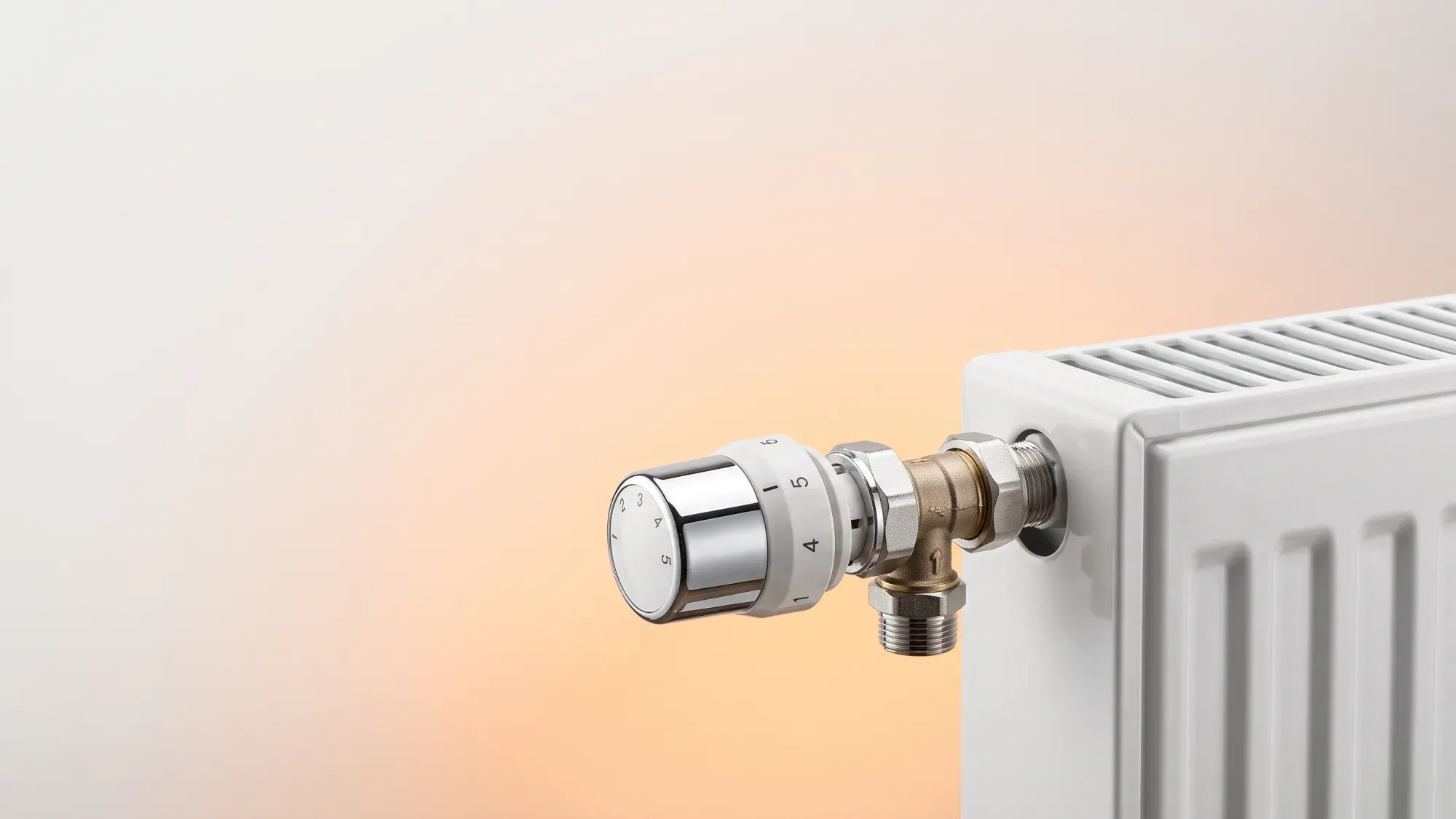
A Thermostatic Radiator Valve (TRV) is a self-regulating device fitted to a radiator that automatically controls the amount of hot water flowing into it, based on the air temperature in the room. Unlike a simple on/off manual valve, a TRV works to maintain a chosen temperature, helping to prevent overheating and save energy.
What is a TRV?
A TRV consists of two main parts: the valve body, which connects to the radiator and the central heating pipework, and the valve head, which sits atop the body. Inside the valve head is a temperature-sensitive element, typically a capsule filled with wax or liquid. This element is the core of the TRV's automatic control.
How TRVs regulate temperature
The temperature-sensitive element in the TRV head expands or contracts in response to changes in room temperature. When the room warms up, the element expands, pushing a pin that closes the valve and reduces the flow of hot water into the radiator. Conversely, as the room cools, the element contracts, opening the valve and allowing more hot water to enter the radiator. This continuous adjustment ensures the room maintains a consistent temperature without wasting energy.
Using TRV valves effectively offers several advantages, from enhancing comfort to significantly reducing your heating bills.
Enhanced comfort and zone control
TRVs allow you to create different heating zones within your home. You can set each room to its ideal temperature, ensuring bedrooms are cooler for sleeping while living areas remain warm and inviting. This granular control means you avoid overheating unused rooms, tailoring your heating to your lifestyle.
Significant energy and cost savings
By preventing unnecessary heating in certain areas, TRVs contribute directly to energy efficiency. When used effectively, TRVs can reduce energy bills by up to 25%. This is a substantial saving, especially considering the average UK home uses around 9,500 kWh of gas per year for heating.
Understanding the different types of TRVs and how to interpret their settings is crucial for optimal performance.
Manual vs thermostatic TRVs
Manual radiator valves are simple on/off controls; they either allow full hot water flow or none at all. TRVs offer automatic temperature regulation. They sense the room's temperature and adjust the hot water flow to maintain a set level, providing more precise control and energy efficiency.
Decoding TRV number settings
Most TRVs feature settings from 0 to 5, or sometimes an asterisk symbol. These numbers correspond to approximate room temperatures:
- * or 0: Frost protection (prevents pipes from freezing, but does not heat the room).
- 1: Approximately 10-13°C
- 2: Approximately 15-17°C
- 3: Approximately 20°C
- 4: Approximately 22-24°C
- 5: Maximum heat, typically above 24°C
Setting 3 often corresponds to an approximate room temperature of 20°C, which is a comfortable temperature for many living spaces.
Proper placement and integration with your main thermostat are key to getting the most out of your TRVs.
Strategic placement and room considerations
TRVs should be installed on every radiator in your home, with one crucial exception: the room containing your main central thermostat. Installing a TRV in this room can create a conflict, as the TRV will try to regulate the radiator independently while the main thermostat is trying to control the entire heating system. This can lead to inefficient heating and system conflicts.
Avoid obstructing TRVs with furniture or long curtains, as this can prevent them from accurately sensing the room temperature, leading to inefficient heating.
Integrating TRVs with your main thermostat
Your main central thermostat controls when your heating system turns on and off, while TRVs manage the temperature in individual rooms. For optimal efficiency, set your main thermostat to your desired ambient temperature for the primary living area, and then use TRVs to fine-tune temperatures in other rooms. This layered approach ensures your boiler only fires when needed, and each room receives just the right amount of heat.
From fitting a new valve to fixing a common snag, understanding the practical aspects of TRVs can keep your heating system running smoothly.
Step-by-step TRV installation
Installing or replacing a TRV typically involves draining your heating system, removing the old valve, and fitting the new one. While it is a task many competent DIYers can undertake, if you are unsure, it is always best to consult a qualified heating engineer.
When a boiler is replaced or a new wet central heating system is installed in England, Part L of the Building Regulations, updated in June 2022, requires thermostatic room controls to be provided in every room. This requirement can often be met by installing TRVs on radiators, except for the room where the main thermostat is located.
Common TRV problems and troubleshooting
Common TRV issues include sticking pins, leaks, or a valve that seems to be stuck on one setting. A sticking pin can often be freed by removing the TRV head and gently manipulating the pin. Leaks usually indicate a faulty seal or connection and may require professional attention. If a TRV is not regulating temperature correctly, ensure it is not obstructed and that the settings are appropriate for the room.
TRVs are more than just simple valves; they are a fundamental component of modern, efficient home heating and play a role in broader energy management.
The role of TRVs in smart home heating
While traditional TRVs offer manual control, smart TRVs can integrate with smart home systems, allowing for remote control and automated scheduling via apps. This takes zone control to the next level, enabling even more precise and responsive heating management, further enhancing energy efficiency.
Making the most of your home's energy
Optimising your TRVs is a tangible step towards gaining greater control over your home's energy consumption. By actively managing your heating, you are not just saving money; you are also contributing to a more sustainable energy future. This aligns with Fuse Energy's vision of empowering customers with granular control over their energy, helping you make the most of the energy you consume.
Taking control of your home's heating with TRV valves is a smart move for both your comfort and your energy bills. Fuse Energy is committed to providing you with the tools and transparent pricing you need to manage your energy effectively. Switch to Fuse Energy today for clear pricing, real-time usage data, and 24/7 human customer support. Click here to get started.