Transparent solar panels for your home
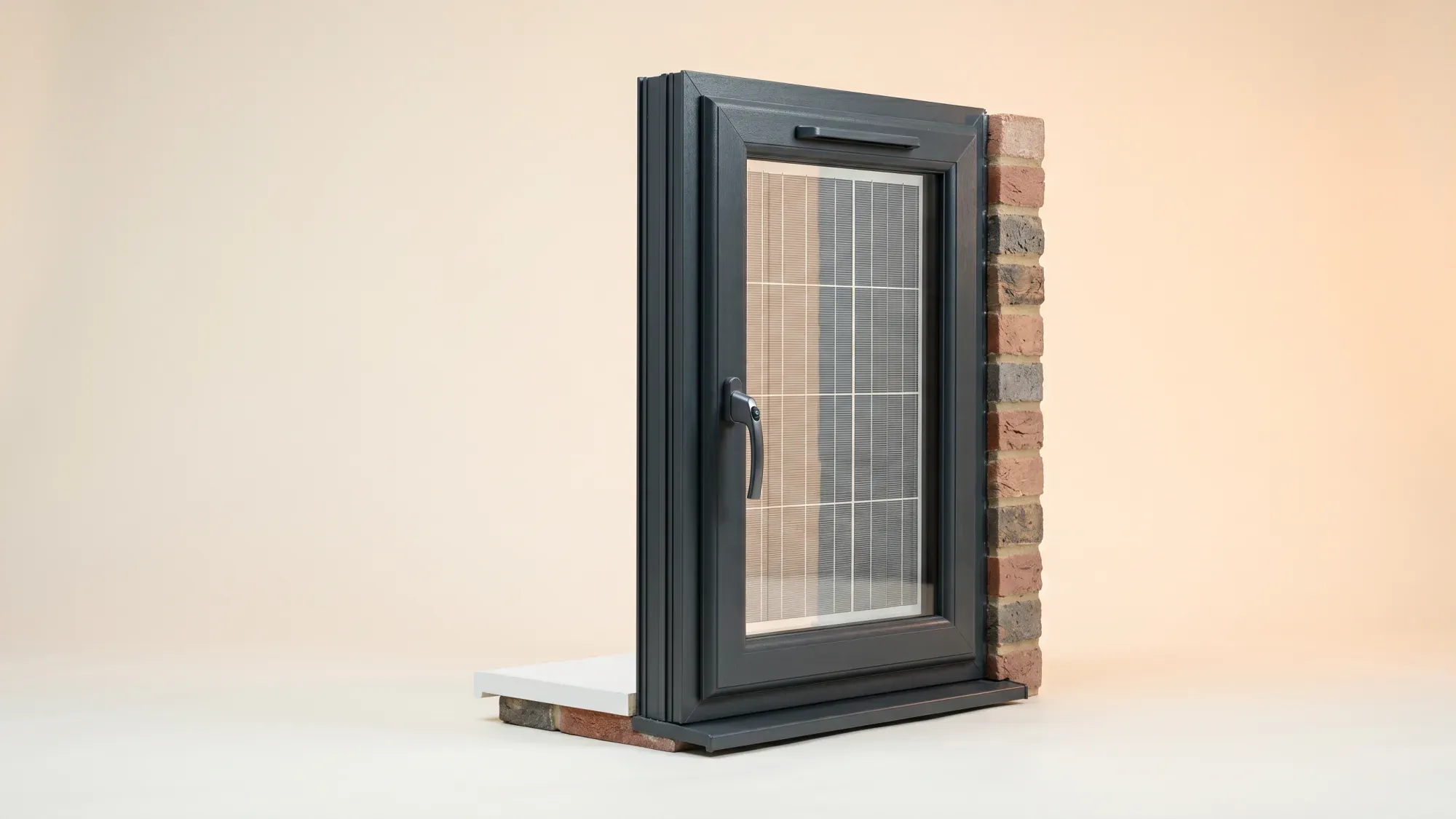
Transparent solar panels, often known as solar glass or photovoltaic (PV) glass, represent an emerging technology that generates electricity while allowing visible light to pass through. This innovation offers a way to integrate renewable energy seamlessly into buildings, transforming windows, skylights, and facades into power-generating surfaces. For UK homeowners and design enthusiasts, these panels represent a future where energy generation is not only functional but also aesthetically pleasing, aligning with a vision of abundant energy that enhances architectural design.
What are transparent solar panels?
Transparent solar panels are PV systems designed to convert sunlight into electricity without obstructing views or natural light. Unlike traditional opaque solar panels that absorb most of the visible light spectrum, transparent versions are engineered to selectively capture non-visible wavelengths, such as ultraviolet (UV) and infrared (IR) light.
How transparent solar technology works
The core principle involves specialised materials that absorb UV and IR light, allowing visible light to pass through. This is often achieved using transparent luminescent solar concentrators (TLSCs) or organic molecules embedded within the glass. These materials absorb the non-visible light and re-emit it as a different, often infrared, wavelength. This re-emitted light is then guided to the edges of the panel, where thin strips of conventional photovoltaic cells convert it into electricity. The result is a pane of glass that looks ordinary but quietly generates power throughout the day.
How do transparent solar panels generate electricity without blocking light?
Transparent solar panels work by absorbing invisible ultraviolet and infrared light, while allowing visible light to pass through. Specialised materials, such as organic salts or quantum dots, capture these non-visible wavelengths and re-emit them to photovoltaic cells located at the panel's edges, where they are converted into electricity.
Types of transparent solar panels
Transparent solar technology comes in various forms, each balancing transparency with energy generation:
- Fully transparent solar panels: These aim for maximum clarity, appearing like ordinary glass. They typically use TLSCs or quantum dots to absorb only non-visible light. While offering high transparency, their efficiency can be as low as 1% and typically ranges between 1% and 5% in current lab settings, with some achieving up to 8% efficiency.
- Semi-transparent solar panels: Also known as translucent panels, these allow some visible light to pass through, often having a slight tint or incorporating thin-film technologies like amorphous silicon or perovskites. They typically offer 40-60% light transmission and around 7-15% efficiency, with some lab breakthroughs reaching over 22%.
- Tinted transparent PV panels: These are coloured versions that can also provide heat reduction benefits alongside energy generation.
The choice between types often depends on the specific application, weighing the need for clarity against the desired energy output.
Benefits and applications for UK homes
Transparent solar panels offer a compelling blend of aesthetics and functionality, making them an attractive option for homeowners seeking innovative energy solutions.
Aesthetic integration and design
One of the primary advantages of transparent solar panels is their ability to integrate seamlessly into architectural designs without compromising visual appeal. Unlike traditional solar panels that are typically mounted on rooftops and can alter a building's appearance, solar glass can replace conventional glazing, turning building surfaces into active energy generators. This allows for innovative designs, transforming properties into active energy producers while maintaining or even enhancing their aesthetic value. This is particularly beneficial for urban environments or heritage properties where traditional solar installations might face planning restrictions or aesthetic concerns.
Versatile uses in property design
The versatility of transparent solar panels means they can be incorporated into numerous parts of a home or property:
- Windows and skylights: Replacing standard windows or skylights with solar glass allows natural light indoors while simultaneously generating electricity.
- Facades and curtain walls: For properties with extensive glazing, transparent PV can turn entire building exteriors into power plants.
- Conservatories and canopies: These panels can form the roofs of conservatories, pergolas, or carports, providing shade and shelter while producing energy.
- Greenhouses: Transparent solar panels can power greenhouse systems while allowing sufficient light for plant growth, and some research suggests plants may even grow better under the filtered light.
Beyond electricity generation, these panels can also reduce solar heat gain, control glare, and block harmful UV radiation, contributing to improved indoor comfort and energy efficiency.
Environmental advantages
By integrating transparent solar technology, homeowners can significantly reduce their reliance on grid electricity and lower their carbon footprint. Building Integrated Photovoltaics (BIPV), which includes transparent solar glass, can contribute to a building's overall energy efficiency by generating electricity on-site and improving thermal performance. This dual functionality helps to decrease energy consumption for heating and cooling, moving properties closer to net-zero energy goals.
Current efficiency and limitations
While the aesthetic and functional benefits are clear, it is important to have a realistic understanding of the current capabilities and limitations of transparent solar panels.
Performance compared to traditional solar
Transparent solar panels typically convert between 1% and 10% of light into electricity. This is significantly less than traditional opaque silicon panels, which usually achieve efficiencies of 15-20% for standard modules, with high-quality monocrystalline panels reaching 18-24%. The trade-off between transparency and efficiency means that the more transparent a panel is, the lower its energy conversion rate tends to be. For instance, fully transparent panels can have efficiencies as low as 1%.
Challenges in UK conditions
The UK's climate, with its often lower light levels compared to sunnier regions, presents a particular challenge for any solar technology. While thin-film solar cells, often used in transparent panels, can operate effectively in low-light conditions and at non-optimal angles, their inherently lower efficiency means a larger surface area would be required to generate a significant amount of power. This can impact the economic viability and return on investment for transparent solar installations in the UK, especially if the goal is to significantly offset a typical home's electricity usage of around 2,700 kWh per year1.
Research and development progress
Despite current limitations, research and development in transparent solar technology is advancing rapidly. Scientists are exploring new materials like perovskites and quantum dots to improve efficiency and transparency. Breakthroughs in lab settings have shown semi-transparent perovskite solar cells reaching efficiencies of over 22%, with perovskite-silicon tandem cells achieving up to 35% efficiency. The global transparent solar panel market is projected for substantial growth, driven by demand for aesthetic and integrated renewable energy solutions. This ongoing innovation suggests that performance will continue to improve, making these solutions more viable in the future.
Transparent solar panels: UK market and cost
For UK homeowners, understanding the current market availability and cost is crucial when considering transparent solar panels.
Availability of solar glass and BIPV in the UK
Transparent solar panels, particularly in the form of Building Integrated Photovoltaics (BIPV), are available in the UK, though they remain a niche market compared to traditional solar. Companies like Polysolar, based in Cambridge, specialise in transparent solar PV solutions for architectural applications, offering products like thin-film PV embedded in glass. Other suppliers, such as Precision Glass, also offer semi-transparent BIPV panels for architectural use. These solutions are increasingly being seen in public buildings, canopies, and bus shelters across the UK, demonstrating their practical application. For domestic properties, while not yet widespread, options exist for canopies, conservatories, and bespoke architectural glazing.
Estimated costs and return on investment
Transparent solar panels are currently more expensive than traditional rooftop solar. Transparent solar glazing typically costs around £400-£800 per square metre (installed), significantly higher than conventional rooftop solar panels at roughly £120-£180 per square metre. For example, Polysolar's grey-tinted thin-film panels, offering 12-15% efficiency, cost approximately £250-£300 per square metre.
Given the higher upfront cost and generally lower efficiency, the return on investment (ROI) for transparent solar panels can be longer than for traditional systems. Some analyses suggest that lower-efficiency transparent panels may not provide a full return on investment over their 25-year lifespan. However, the value proposition extends beyond pure energy generation, encompassing aesthetic benefits, improved thermal insulation, and glare control, which can contribute to overall energy savings and comfort. The Smart Export Guarantee (SEG) in the UK allows small-scale generators, including those using transparent solar technology, to receive payments for electricity exported to the grid, which can help improve the financial viability.
Key UK companies and products
Polysolar is a prominent UK-based company in this field, known for its transparent PV solutions for architectural integration. Their products include thin-film PV embedded in glass, suitable for facades, canopies, and skylights. Precision Glass also supplies and installs semi-transparent BIPV panels for residential and commercial projects across the UK. As the market matures, more companies are expected to offer a wider range of transparent solar products.
The future of integrated solar energy
The trajectory of transparent solar technology points towards a future where energy generation is an intrinsic part of our built environment, rather than an add-on.
Advancements in solar window technology
The next generation of solar windows is set to become even more sophisticated. Innovations include dynamic glazing technologies that can balance transparency and efficiency, and materials like perovskites that offer the potential for higher efficiencies and full transparency. Researchers are also developing coatings that can be applied to existing glass, turning ordinary windows into energy generators. These advancements promise to make transparent solar technology more accessible and effective for a wider range of applications.
Potential for smart home integration
As transparent solar panels become more prevalent, their integration into smart home ecosystems will be crucial. Imagine windows that not only generate electricity but also intelligently adjust their tint to optimise natural light, reduce heat gain, and contribute to the home's overall energy management system. This could allow homeowners to monitor energy generation from their windows, track consumption, and even optimise usage in real-time through smart apps and control systems.
Vision for abundant home energy
Transparent solar panels embody a vision of abundant energy seamlessly integrated into daily life. They offer both power generation and aesthetic freedom, allowing for innovative architectural designs that transform buildings into active energy generators without compromising visual appeal. This aligns with a future where energy is so abundant it stops being a constant concern, freeing homeowners to focus on what truly matters.
Is transparent solar right for your property?
Deciding whether transparent solar panels are suitable for your home involves careful consideration of your property's specific needs and your energy goals.
Assessing your home's suitability
Consider where transparent solar panels could best serve a dual purpose in your property. Do you have large windows, a conservatory, or a canopy where aesthetic integration and natural light are priorities? While transparent panels may not replace all your energy needs, they can significantly contribute to a property's overall energy efficiency, especially when combined with other energy-saving measures. Evaluate the available surface area for solar glass and how it aligns with your desired energy generation.
Consulting with energy experts
Given the evolving nature of transparent solar technology, consulting with an architect or energy consultant is a sensible next step. They can assess your home's design, structural integrity, and energy requirements, providing tailored advice on how transparent solar solutions or BIPV products could be integrated effectively. They can also help navigate UK building regulations, including those for structural integrity, thermal performance, and fire safety, and advise on any necessary planning permissions.
Next steps for innovative energy solutions
References
Disclaimer
For the avoidance of doubt, this article is provided for informational purposes only and is not intended to constitute legal or financial advice. The author and/or Fuse Energy shall not be responsible for any losses arising out of any reliance on the information contained herein.