Home solar panels: a UK homeowner's guide
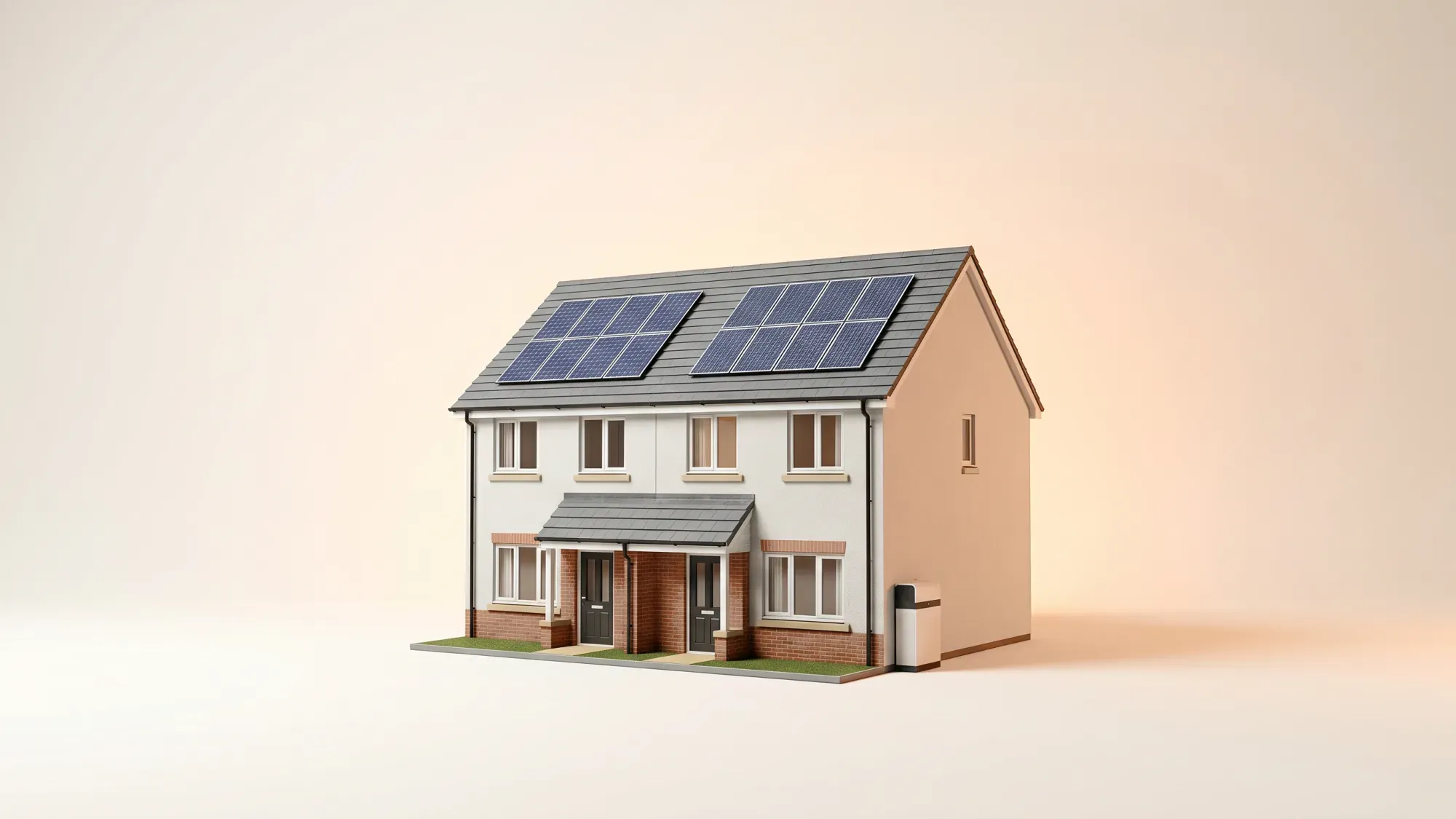
Generating your own electricity at home is a powerful step towards reducing your energy bills and carbon footprint. For homeowners, the prospect of adopting solar energy can seem complex, but recent changes have made it more accessible than ever, particularly with the rise of plug-in solar options. This guide demystifies the process, offering clear, actionable advice to help you explore the benefits and practicalities of bringing solar power to your property.
Understanding solar power for your home
Solar power harnesses the sun's energy to generate electricity for your home. It is a clean, renewable source that can significantly reduce your reliance on the grid.
How solar panels generate electricity
Solar panels, also known as photovoltaic (PV) panels, convert sunlight directly into electricity through a process called the photovoltaic effect. When sunlight hits the semiconductor material (typically silicon) in the solar cells, it frees electrons, creating an electrical charge. This charge produces direct current (DC) electricity.
Key components of a solar PV system
A typical solar PV system consists of several core components:
- Solar panels: These capture sunlight and convert it into DC electricity.
- Inverter: Since most home appliances run on alternating current (AC) electricity, an inverter converts the DC electricity from the panels into usable AC power for your home. Microinverters, often used with plug-in solar, convert DC to AC at each panel.
- Mounting system: This secures the panels to your roof or other suitable surface.
- Metering: A generation meter tracks the electricity produced by your panels, and your existing smart meter records what you use from and export to the grid.
Exploring solar system types for UK properties
The UK market offers various solar solutions, from traditional rooftop installations to more flexible plug-in options.
Traditional rooftop solar
Traditional rooftop solar involves installing multiple PV panels onto your roof. These systems are typically larger, designed to meet a significant portion of a household's electricity demand. They require professional installation and are a long-term investment, often providing substantial savings over their lifespan.
The rise of plug-in solar
Plug-in solar represents a significant step towards making solar energy more accessible. These small systems connect directly into a standard wall socket, offering a portable and renter-friendly option for generating electricity.
What is plug-in solar?
Plug-in solar is a small solar panel and microinverter system that connects to a standard wall socket. It's designed for self-installation, making it a portable and accessible way for homeowners and renters to generate their own electricity without complex wiring or professional setup.
Since 27 August 2026, compliant plug-in solar devices have been legal in Great Britain under Statutory Instrument 2026/848. These kits typically have an 800W AC export limit per device, meaning they can feed up to 800 watts of electricity into your home's circuit. The panels themselves can have a higher DC input capacity, up to 2,000W, to maximise generation in varied light conditions. This type of system helps offset your home's 'base-load' usage - the constant background electricity draw from appliances like refrigerators and routers.
It is important to note that SI 2026/848 legalises standalone plug-in solar systems only; it does not cover plug-in batteries or hybrid solar and battery systems.
Solar batteries and energy storage
Adding battery storage to a solar PV system allows you to store excess electricity generated during the day for use later, such as in the evenings or on cloudy days. This maximises your self-consumption, reducing the amount of electricity you need to draw from the grid and further lowering your bills. While traditional home battery systems are integrated into your electrical setup, plug-in batteries (which are not covered by SI 2026/848) offer a more flexible way to store energy. Without a battery, any unused plug-in solar generation that is not instantly consumed by your home will be exported to the grid.
The benefits of adopting solar energy
Installing solar panels offers a range of advantages for homeowners, from financial savings to environmental contributions.
Reducing electricity bills
By generating your own electricity, you reduce the amount you need to buy from your energy supplier, leading to lower monthly bills. The average UK home uses around 2,500 kWh of electricity per year1. For an illustrative Direct Debit household on the Ofgem price-cap default tariff for 1 July to 30 September 2026, electricity costs 26.11p per kWh (inclusive of 5% VAT). Generating your own power directly offsets this cost.
Lowering your carbon footprint
Solar electricity is a clean, renewable energy source that produces no harmful greenhouse gas emissions during operation. Adopting solar can significantly reduce your home's carbon footprint.
Increased energy independence
Generating your own power provides greater control over your energy supply and reduces your vulnerability to fluctuating energy prices. This independence can offer peace of mind and more predictable energy costs.
Costs, savings, and financial considerations
Understanding the financial aspects is crucial when considering solar energy for your home.
Initial investment and payback periods
The initial cost of installing solar panels can vary significantly. Adding battery storage can also increase the overall investment. While this is a notable upfront investment, many homes find that solar panels offer a return on investment over time, depending on factors like system cost, roof orientation, electricity usage, and export tariffs. Domestic solar panel systems currently benefit from 0% VAT, which can provide significant upfront savings.
Understanding the Smart Export Guarantee (SEG)
The Smart Export Guarantee (SEG) is a government-backed scheme that requires larger energy suppliers to pay customers for the renewable electricity they export to the grid. To qualify for SEG payments, your solar installation typically needs to be certified by the Microgeneration Certification Scheme (MCS). However, self-installed plug-in solar kits do not qualify for the SEG. While the SEG may not apply to plug-in solar, suppliers can still offer their own export tariffs outside the SEG scheme. Fuse Energy pays 13p per kWh for electricity exported to the grid under the SEG for MCS-certified systems.
Maximising self-consumption
The most effective way to save money with solar panels is to use the electricity you generate directly in your home. This is known as self-consumption. Appliances that run during daylight hours can directly use the solar power, reducing the amount you draw from the grid. Battery storage further enhances self-consumption by allowing you to save excess daytime generation for use when your panels are not producing electricity. Understanding your energy usage patterns can help you make the most of your solar generation, especially with a smart meter installation that provides detailed data.
UK regulations and what you need to know
Navigating regulations is a key part of adopting solar energy in the UK.
The impact of SI 2026/848 on plug-in solar
Statutory Instrument 2026/848 has been a significant development, legalising compliant standalone plug-in solar systems in Great Britain since 27 August 2026. This legislation allows devices meeting the Interim Product Specification to connect via a standard BS 1363 plug. Key conditions include an 800W AC export limit per device and a restriction to one unit per property.
Notifying your Distribution Network Operator (DNO)
All solar installations that export electricity to the grid, including plug-in systems, require notification to your Distribution Network Operator (DNO). This notification, under G98 regulations, must be completed within 28 days of installation. The consumer or their supplier can complete this notification. This is a notification, not an application, meaning that for compliant installations, you do not need to wait for approval before connecting. If you experience a power cut, your DNO is the entity responsible for restoring supply.
Planning permission and other requirements
For most domestic solar panel installations in England, Scotland, and Wales, planning permission is not required as they fall under permitted development rights. However, there are exceptions, such as listed buildings, properties in conservation areas, or flats, where planning permission may be necessary. Regardless of planning permission, all rooftop solar installations must comply with building regulations, ensuring structural integrity, electrical safety, and fire safety.
Getting started with your solar journey
Taking the first steps towards solar energy can be straightforward with the right information.
Assessing your home's suitability
Before investing, assess your property's solar potential. Consider your roof's orientation (south-facing is ideal, but east and west can also be viable), shading from trees or other buildings, and the condition of your roof. For plug-in solar, identify unshaded outdoor spaces like balconies or garden areas.
Choosing the right system and installer
Research different solar options to find what best suits your energy needs and budget. For traditional rooftop systems, it is advisable to get quotes from at least three MCS-certified installers. For plug-in solar, ensure the kit is compliant with SI 2026/848 and meets safety standards. Fuse Energy does not offer home solar or home battery installation.
Monitoring your solar performance
Once installed, monitoring your solar generation and home consumption is key to maximising your savings. Many systems come with apps that allow you to track your energy flow, helping you understand when you are generating the most electricity and how to adjust your usage to benefit from it.
Frequently asked questions about home solar
Do solar panels work on cloudy days in the UK?
Yes, solar panels still generate electricity on cloudy days, though their output will be lower than on bright, sunny days. They rely on daylight, not direct sunshine, to produce power.
How long do solar panels last?
Most solar panels come with long warranties, and many are expected to continue generating electricity beyond this period.
Can I get grants for solar panels in the UK?
While there is not a dedicated UK-wide grant programme for solar panels, schemes like the 0% VAT rate on domestic solar panel systems can reduce upfront costs. Some local authorities or energy suppliers may also offer their own schemes.
What happens if I generate more electricity than I use?
Any excess electricity you generate and do not use will be exported to the grid. For MCS-certified installations, you can receive payments through the SEG. For self-installed plug-in solar, while not eligible for SEG, some suppliers may offer their own export tariffs.
Do I need planning permission for solar panels?
In most cases, domestic solar panel installations in the UK do not require planning permission, falling under permitted development rights. However, exceptions apply for listed buildings, conservation areas, or flats, where you may need to seek approval.
References
Disclaimer
For the avoidance of doubt, this article is provided for informational purposes only and is not intended to constitute legal or financial advice. The author and/or Fuse Energy shall not be responsible for any losses arising out of any reliance on the information contained herein.