Three-phase meters for UK businesses
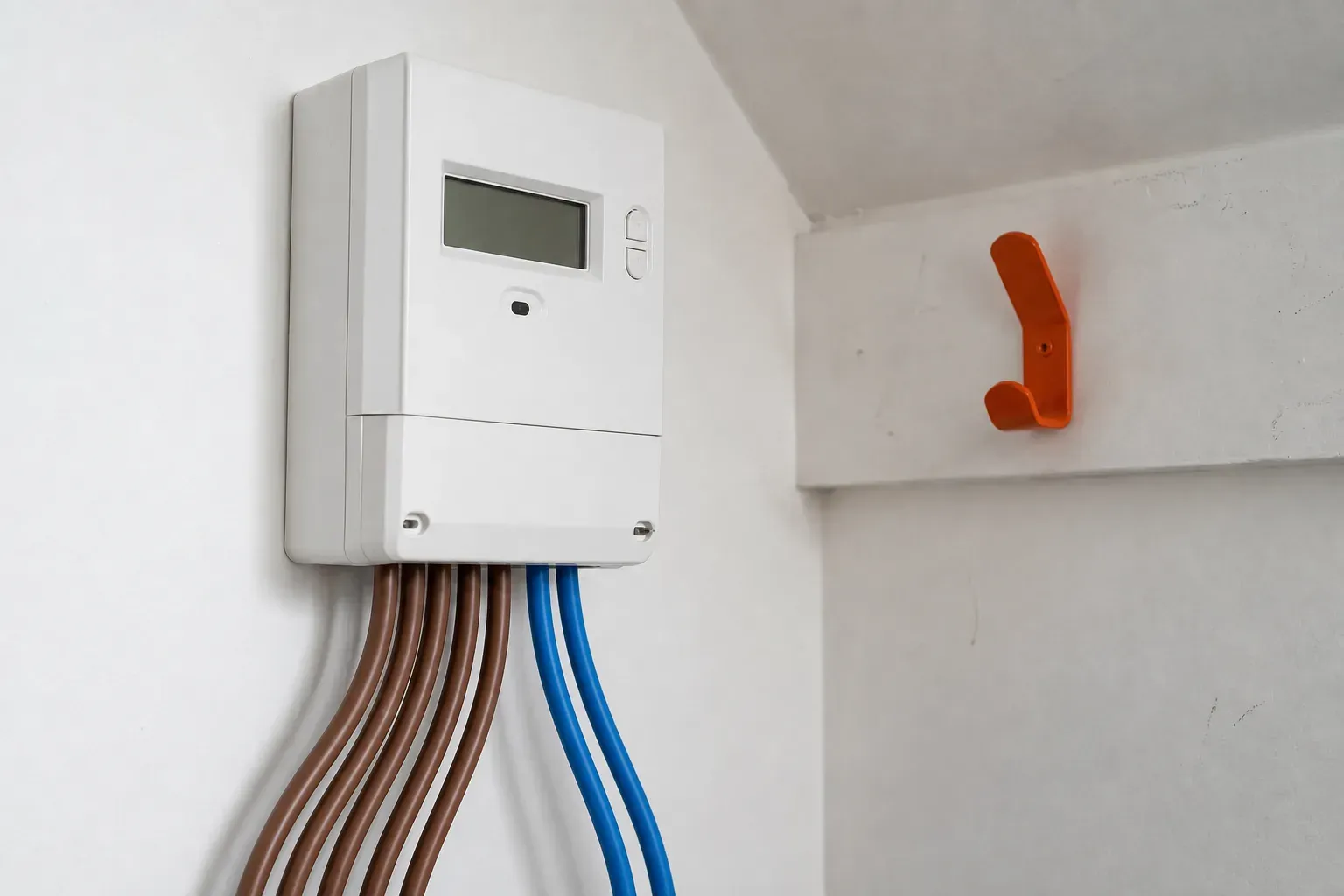
For UK businesses with significant power demands, understanding three-phase electricity meters is crucial for efficient, compliant, and cost-effective energy management. These meters are not just about measuring consumption; they are a gateway to greater operational capacity and energy efficiency. This guide will empower UK business owners and facility managers to understand how three-phase electricity meters enable greater operational capacity and energy efficiency.
While this article focuses on three-phase meters for businesses, understanding your energy usage is key for any consumer. For homeowners, Fuse Energy offers clear pricing and real-time usage data to help manage your domestic energy. Click here to see how easy it is to switch.
Enter your address to get a quote and see how much you could save
What is a three-phase meter?
A three-phase meter is a specialised device designed to measure electricity consumption in systems that use three-phase power. Unlike single-phase systems, which are common in residential settings, three-phase power is essential for high-demand applications due to its stable and efficient power delivery.
Understanding three-phase electricity
Three-phase power systems typically use three alternating currents, phased 120 degrees apart, providing a constant and more stable power flow than single-phase systems. This continuous power delivery is particularly beneficial for large motors and heavy machinery, preventing the power dips that can occur in single-phase systems. It is the backbone of industrial and commercial electricity supply, designed to handle the substantial energy requirements of modern businesses.
How three-phase meters function
Three-phase meters work by simultaneously measuring the voltage and current across each of the three phases. They then combine these measurements to calculate the total power consumed over time, which is expressed in kilowatt-hours (kWh). This intricate measurement ensures accurate billing for the complex power usage patterns of commercial operations. The meter's design accounts for the balanced and continuous nature of three-phase supply, providing a precise record of energy flow.
Key components of a three-phase meter
Modern three-phase meters, especially smart variants, incorporate several key components:
- Current transformers (CTs): These are often used in higher current installations to step down the current to a measurable level for the meter.
- Voltage sensors: Measure the electrical potential difference across each phase.
- Processing unit: Calculates power consumption from the current and voltage data.
- Display: Shows cumulative energy consumption and sometimes real-time data.
- Communication module: In smart meters, this enables remote data transmission to the energy supplier.
Why UK businesses need three-phase power
Many UK businesses find single-phase electricity insufficient for their operational needs. Three-phase power offers distinct advantages, enabling businesses to run more efficiently and reliably.
Handling higher electrical loads
According to Ofgem, the average UK home uses around 2,500 kWh of electricity per year1, while many businesses can consume significantly more, necessitating three-phase power. Businesses operating heavy machinery, large heating, ventilation, and air conditioning (HVAC) systems, or extensive lighting arrays require a robust power supply that single-phase simply cannot provide. Three-phase power distributes the load more evenly, preventing overloads and ensuring a consistent power supply to all equipment. This capacity is vital for manufacturing plants, data centres, large retail spaces, and commercial kitchens.
Enhanced efficiency and stability
The balanced nature of three-phase power leads to greater efficiency. Motors and other electrical equipment designed for three-phase supply operate more smoothly and with less vibration, which can extend their lifespan and reduce maintenance costs. The constant power delivery also minimises voltage fluctuations, protecting sensitive electronics and ensuring stable operation across all business processes. This stability is critical for maintaining productivity and avoiding costly downtime.
Supporting modern business operations
As businesses evolve, so do their energy demands. The rise of electric vehicle (EV) charging infrastructure, advanced manufacturing processes, and sophisticated IT systems all place increasing strain on electrical grids. Three-phase power provides the necessary foundation to support these modern operations, allowing businesses to expand and adopt new technologies without being constrained by their energy supply. It is an investment in future growth and operational flexibility.
Types of three-phase meters for commercial use
Choosing the right three-phase meter depends on a business's specific energy consumption patterns and requirements. There are generally three main types available for commercial use.
Direct connect meters
Direct connect meters are typically used for smaller commercial premises with lower three-phase loads, where the current does not exceed the meter's direct measurement capabilities (usually up to 100 Amps). These meters are wired directly into the main electricity supply. They are straightforward to install and are often the most cost-effective option for businesses that need three-phase power but do not have exceptionally high consumption.
CT operated meters
For larger commercial and industrial sites with higher electrical loads, Current Transformer (CT) operated meters are essential. CTs are external devices that measure high currents by reducing them to a proportional, lower current that the meter can safely measure. This allows the meter to accurately record consumption for systems drawing hundreds or even thousands of Amps. CT-operated meters are more complex to install but are indispensable for businesses with substantial power requirements.
Three-phase smart meters
Three-phase smart meters combine the measurement capabilities of traditional meters with advanced communication technology. These meters can provide half-hourly consumption data, enabling detailed analysis and advanced energy management strategies for businesses. This granular data allows businesses to identify peak usage times, understand energy consumption patterns, and make informed decisions to optimise efficiency and reduce costs. Smart meters are becoming the standard, offering businesses unprecedented control and insight into their energy usage. Homeowners often pair this with a smart meter installation to track usage.
Installation, regulations, and safety in the UK
Installing a three-phase meter involves careful planning, adherence to strict UK regulations, and the expertise of qualified professionals to ensure safety and compliance.
Planning your three-phase installation
Before any installation, a thorough assessment of your business's current and future electrical power demands is necessary. This involves evaluating existing equipment, anticipating growth, and considering any planned additions like EV charging points or new machinery. Consulting with a qualified electrician or energy consultant is a critical first step to design a system that meets your specific needs and ensures adequate capacity. They can advise on the appropriate meter type, cable sizing, and necessary infrastructure upgrades.
UK regulatory requirements and standards
All electricity meters in the UK must comply with the Measuring Instruments Regulations 2016 (MID approval) to ensure accuracy and fairness in billing. Furthermore, UK regulations, such as the Electricity Safety, Quality and Continuity Regulations 2002 (ESQCR), govern the installation and operation of electricity meters, including three-phase systems. These regulations are in place to ensure the safety of installations and the reliability of the electricity supply. Businesses must ensure their installations meet these stringent standards.
What are the key UK regulations for three-phase meter installation?
Installation of three-phase meters in the UK must comply with the Measuring Instruments Regulations 2016 (MID approval) for accuracy and the ESQCR for safety and operation. All work must also adhere to BS 7671 (IET Wiring Regulations), ensuring a safe and compliant electrical system.
Choosing a qualified installer
Installation of three-phase meters must be carried out by a qualified and certified electrician in accordance with BS 7671 (IET Wiring Regulations). It is crucial to select an electrician who is experienced in commercial three-phase installations and is registered with a recognised body such as NICEIC or ELECSA. A qualified installer will ensure that the installation is safe, compliant with all relevant regulations, and correctly configured for your business's energy needs.
Leveraging smart three-phase meters for energy management
Smart three-phase meters offer businesses a powerful tool for proactive energy management, moving beyond simple billing to provide actionable insights.
Real-time data and monitoring
One of the most significant advantages of smart three-phase meters is their ability to provide real-time and half-hourly consumption data. This continuous stream of information allows businesses to monitor their energy usage minute-by-minute, identifying exactly when and where electricity is being consumed. This level of detail is invaluable for understanding operational efficiency and pinpointing areas of potential waste. For more on this, you can read about half-hourly meter readings explained.
Identifying efficiency opportunities
With detailed consumption data, businesses can identify patterns and anomalies that indicate opportunities for efficiency improvements. For example, unexpected energy spikes during off-hours might reveal equipment left running unnecessarily, or consistent high usage during certain periods could highlight areas where more energy-efficient alternatives could be implemented. This data-driven approach empowers businesses to make targeted changes that lead to tangible savings.
Integrating with energy management systems
Smart three-phase meters can integrate seamlessly with sophisticated energy management systems (EMS). These systems can analyse the meter data, generate reports, and even automate certain energy-saving actions. For instance, an EMS could automatically adjust HVAC settings based on occupancy and real-time energy prices, or schedule high-consumption tasks during off-peak hours. This integration transforms raw data into strategic insights and automated controls, optimising energy use across the entire business. It is also worth noting that the Radio Teleswitch Service (RTS) for legacy multi-rate meters is being phased out, having begun on 30 June 2025, with smart meter replacements being mandated by suppliers, impacting some older business tariffs. This transition further underscores the move towards smart metering for all types of energy consumers.
Future-proofing your business with three-phase metering
Investing in three-phase metering is not just about meeting current energy needs; it is about building a resilient and adaptable energy infrastructure for the future.
Scalability for growth
As businesses grow, their energy requirements inevitably increase. Three-phase power provides the inherent scalability needed to accommodate expansion, whether that involves adding new production lines, increasing data processing capacity, or introducing more electric vehicles to a fleet. By establishing a robust three-phase supply, businesses can avoid costly and disruptive upgrades down the line, ensuring their energy infrastructure can keep pace with their ambitions.
Preparing for evolving energy demands
The energy landscape is constantly evolving, with increasing pressure for decarbonisation and the adoption of new technologies. Three-phase metering, particularly smart variants, positions businesses to adapt to these changes. It facilitates the integration of renewable energy sources, supports demand-side response programmes, and provides the data necessary to participate in future energy markets. This forward-thinking approach ensures businesses remain agile and competitive in a dynamic energy environment.
A vision for future business energy
At Fuse Energy, we believe in a future with power to play with, where energy abundance empowers everyone to thrive. Three-phase meters enable businesses to access the abundant energy needed for growth and high-demand operations. While Fuse Energy currently supplies residential customers only, we recognise the critical role of advanced metering in empowering businesses. Providing businesses with insights into three-phase metering empowers them to make strategic energy decisions, shifting control into their hands. Businesses should not settle for inadequate energy supply; understanding three-phase metering is a step towards optimising their energy infrastructure. Businesses interested in future commercial offerings can join a waitlist.
Managing your home energy bills should be clear and easy to understand. Fuse Energy focuses on straightforward pricing, so you can see exactly what you are paying without unnecessary complexity. If you have a smart meter, you can view detailed usage data through the app or website, helping you understand how you can lower your bills. Our 24/7 human support team is always on hand with fast response times whenever you need help. Click here to switch to Fuse Energy today. Find out about our mission by clicking here.
References
Disclaimer
For the avoidance of doubt, this article is provided for informational purposes only and is not intended to constitute legal or financial advice. The author and/or Fuse Energy shall not be responsible for any losses arising out of any reliance on the information contained herein.