Technological impact on the environment
Technology profoundly shapes the UK's environmental landscape, presenting both significant challenges and powerful solutions. From the energy-hungry demands of artificial intelligence (AI) and data centres to the transformative potential of renewable energy and smart grids, understanding this dual impact is crucial for building a sustainable future. The UK is committed to achieving net-zero emissions by 2050, making technological solutions critical for reaching this goal.
Understanding the environmental impact of technology is key to making informed energy choices. Discover how switching to Fuse Energy can support your sustainable home by clicking here.
Enter your address to get a quote and see how much you could save
The dual nature of technology's environmental footprint
Digital technology is a double-edged sword for the environment, simultaneously driving progress and contributing to ecological strain. The UK, a hub for technological innovation, faces this complexity head-on.
Understanding the challenges and opportunities
The digital sector's environmental footprint is substantial, stemming from the entire lifecycle of technology, from manufacturing to disposal. While technology offers unprecedented tools for addressing environmental issues, its own resource consumption and waste generation cannot be overlooked. This highlights the need for a careful balance as innovation continues.
A UK perspective on tech and sustainability
The UK is committed to achieving net-zero emissions by 2050, a legally binding target that drives policy and investment in green technologies. This ambition necessitates a clear-eyed view of technology's role: both as a contributor to environmental problems and as a primary enabler of solutions. The focus is not on reducing energy consumption, but on shifting to abundant, clean sources.
Environmental challenges posed by technology
Technological advancements, while offering immense benefits, bring with them a set of environmental challenges that demand careful management.
Energy consumption of digital infrastructure
The energy consumption of digital technologies, particularly AI and data centres, is a growing concern. Data centres, the backbone of the digital world, consume vast amounts of electricity for operation and cooling. As AI models become more complex and widespread, their energy demands are predicted to increase significantly. This escalating demand puts pressure on existing energy grids and highlights the need for sustainable power sources.
E-waste and resource depletion
The rapid pace of technological innovation leads to a high turnover of electronic devices, generating substantial amounts of electronic waste (e-waste). This waste often contains hazardous materials and valuable rare earth elements, posing both pollution risks and resource depletion challenges. The lifecycle impact, from mining raw materials to manufacturing and eventual disposal, contributes to a significant environmental footprint.
Manufacturing and supply chain impacts
The global supply chains that support technology manufacturing are complex and often energy-intensive. The production of components, assembly of devices, and transportation across continents contribute to greenhouse gas emissions and resource consumption. Addressing these impacts requires a focus on sustainable manufacturing practices, localised production where feasible, and greater transparency throughout the supply chain.
Technology as a catalyst for environmental solutions
Despite the challenges, technology is arguably the most powerful tool available for achieving environmental sustainability, particularly in the realm of energy.
Advancing renewable energy generation
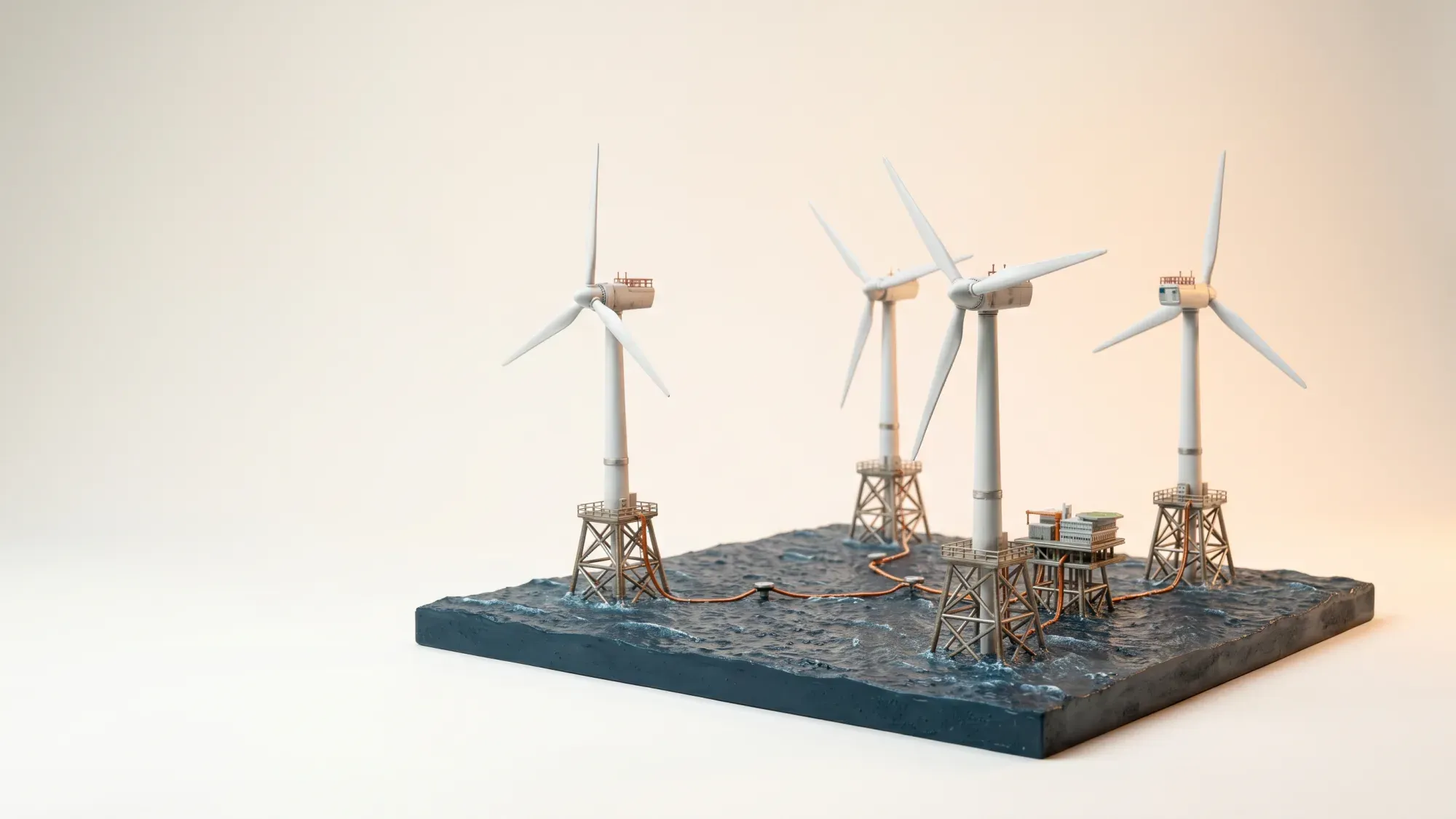
Renewable energy technologies, such as wind and solar, are crucial for decarbonising the energy sector. The UK has made significant strides in deploying these technologies. For instance, UK onshore wind averages around 27% capacity factor, while offshore wind averages around 41% capacity factor, demonstrating their effectiveness in generating clean electricity. These technologies are becoming increasingly efficient and cost-effective, making clean energy more accessible.
How much electricity does a typical wind turbine produce?
A modern 2 MW onshore wind turbine, operating at a 27% capacity factor, produces roughly 4,700 MWh (4,700,000 kWh) per year. This is enough to power around 1,700 average UK homes, which each use about 2,700 kWh annually1. Offshore turbines are even larger and more productive.
Optimising energy use with smart technologies
Smart systems play a vital role in optimising energy use and reducing waste across various sectors. Smart meters, for example, provide real-time data on energy consumption, empowering individuals to make more informed decisions about their usage. Smart grids use advanced digital technology to monitor, control, and manage energy delivery, improving efficiency and reliability. These technologies enable better integration of renewable energy sources and help balance supply and demand.
Innovations in carbon capture and circular economy
Technological innovations extend to areas like carbon capture, utilisation, and storage (CCUS), which aim to remove carbon dioxide from industrial emissions or directly from the atmosphere. Furthermore, advancements in circular economy principles, enabled by technology, focus on designing out waste and pollution, keeping products and materials in use, and regenerating natural systems. This includes advanced recycling techniques and platforms that facilitate material reuse.
The role of clean energy technology in the UK
The UK's journey towards net-zero emissions by 2050 heavily relies on the strategic deployment and continuous innovation in clean energy technology.
Decarbonising the grid with renewables
Decarbonising the National Grid is a cornerstone of the UK's net-zero strategy. This involves a massive expansion of renewable energy sources. Wind power, both onshore and offshore, is a leading contributor, alongside solar photovoltaic installations. These technologies replace fossil fuel-based generation, significantly reducing greenhouse gas emissions associated with electricity production.
Smart grids and energy storage solutions
The intermittency of some renewable energy sources necessitates robust smart grid infrastructure and advanced energy storage solutions. Smart grids enhance the resilience and efficiency of the energy network, allowing for better management of fluctuating renewable output. Battery storage, hydrogen technologies, and other innovative storage methods are critical for ensuring a stable and reliable supply of clean energy, even when the sun isn't shining or the wind isn't blowing.
Policy and investment in green tech
Government incentives and regulations, driven by the net-zero by 2050 target, support the deployment of renewable energy and energy efficiency measures. Ofgem, the energy regulator, influences the adoption of smart technologies and renewable integration, ensuring a fair and competitive market. Continued investment in research and development for green technologies is essential to accelerate the transition to a sustainable energy system.
Building a sustainable future with abundant energy
The narrative around environmental sustainability often implies sacrifice or 'using less'. However, a different future is possible, one where technology enables abundant, clean energy.
Challenging the scarcity consensus
The idea that environmental responsibility requires a reduction in energy consumption or a 'scarcity mindset' is a common pitfall. Technology, when applied strategically, can challenge this consensus. Instead of focusing on using less, the emphasis shifts to generating and utilising clean energy so efficiently that abundance becomes the norm. This approach allows for innovation and growth without environmental guilt.
The path to power to play with
A future with abundant, clean energy offers "power to play with" - a world where energy is so readily available that it stops being a constant concern. This frees up resources and creativity for other pursuits, enabling societal and economic growth without the traditional environmental trade-offs. It means homes can be comfortably heated, electric vehicles charged, and digital infrastructure powered, all from sustainable sources.
Fuse Energy's vision for a tech-driven future
Fuse Energy believes technology is the fundamental solution to environmental challenges by enabling abundant, clean energy. We are vertically integrating and rebuilding the energy system from scratch, using technology to optimise energy generation, distribution, and consumption. Our aim is to deliver terawatt-hours of the cheapest, cleanest energy possible, making environmental concerns shift from scarcity to optimal utilisation. This tech-driven approach creates a future where energy is abundant, allowing for innovation and growth without environmental guilt.
Fuse Energy is committed to making clean, affordable energy accessible for every home. We offer clear pricing, real-time usage data through our app, and 24/7 human customer support to help you manage your energy effectively. Switching to Fuse is quick and easy, allowing you to take control of your energy bills and contribute to a more sustainable future. Click here to switch to Fuse Energy today. You can also learn more about our mission to build a future with power to play with by clicking here.
References
Disclaimer
For the avoidance of doubt, this article is provided for informational purposes only and is not intended to constitute legal or financial advice. The author and/or Fuse Energy shall not be responsible for any losses arising out of any reliance on the information contained herein.