Storage heaters: optimising use and modern alternatives
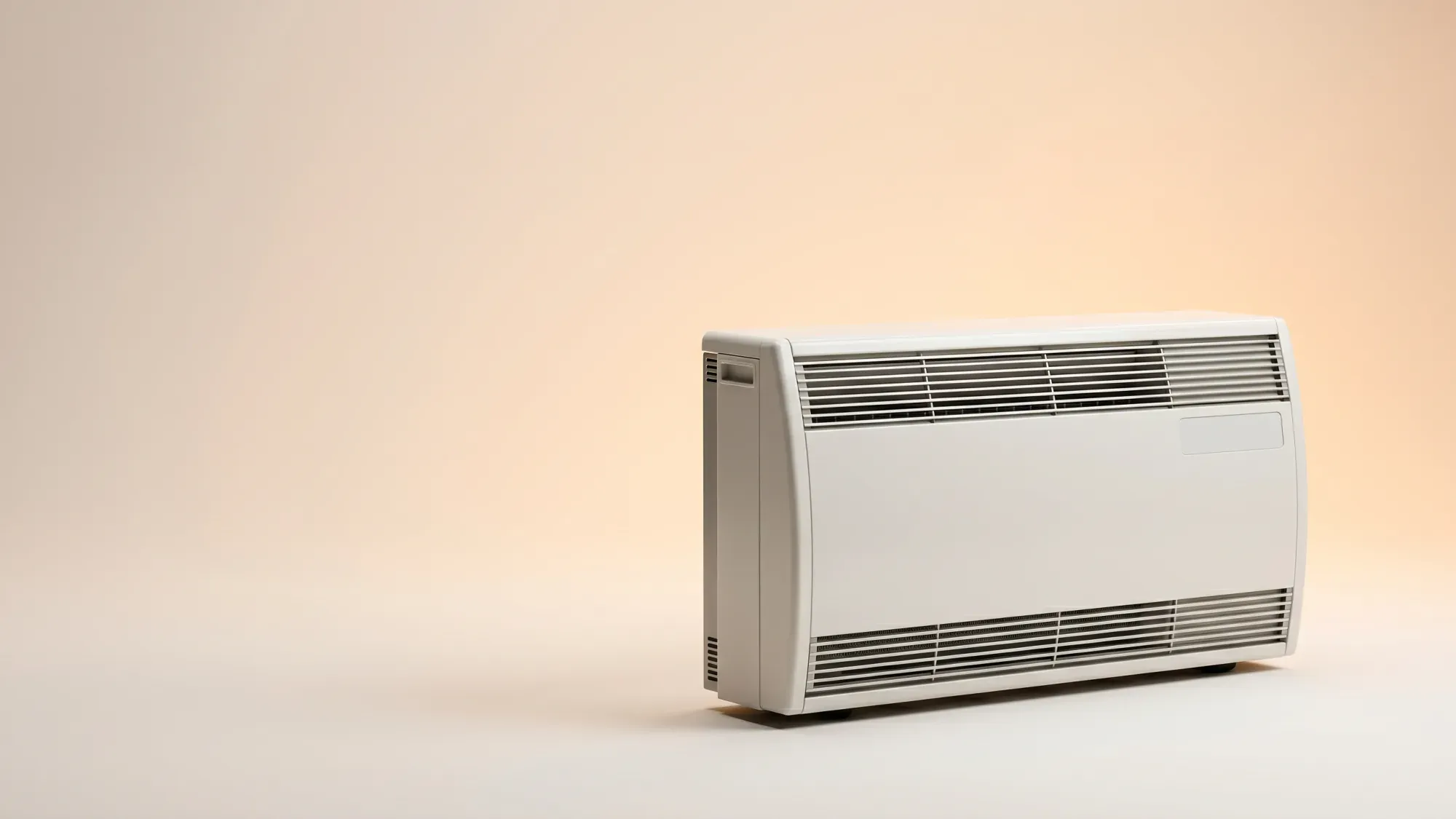
Storage heaters have traditionally provided warmth in UK homes by using cheaper, off-peak electricity. This guide explains how they work, how to get the most out of your existing unit, and explores modern electric heating alternatives. We'll also look at how smart tariffs can enhance your heating experience.
Discover how Fuse Energy's smart tariffs can help you make the most of modern electric heating, offering dynamic pricing that adapts to wholesale electricity costs. Click here to see how easy it is to switch.
Enter your address to get a quote and see how much you could save
Understanding storage heaters
How traditional storage heaters operate
Traditional storage heaters are designed to take advantage of cheaper electricity rates, typically overnight, to store heat. They contain a core of ceramic bricks that heat up during these off-peak hours. Once charged, these bricks slowly release the stored heat into your home throughout the day. This process aims to provide warmth when electricity is more expensive, effectively shifting your heating costs to the cheaper night-time rates.
The role of Economy 7 tariffs
Economy 7 tariffs are specifically designed to complement storage heaters and other appliances that can run overnight. These tariffs offer a significantly cheaper rate for electricity during a seven-hour off-peak period, usually overnight, and a higher rate during the day. The exact timing of these seven hours can vary by supplier and location, typically falling between midnight and 7am. For homes with storage heaters, Economy 7 allows them to charge their heaters when electricity is cheapest, making the system more cost-effective.
Key components and controls
Older storage heaters often feature basic controls, typically two dials:
- Input control: This regulates how much heat the heater stores during the off-peak charging period. A higher input means more heat stored.
- Output control: This manages how quickly the stored heat is released into the room. A higher output releases heat faster.
Understanding these controls is crucial for efficient operation. Missetting them can lead to overheating or running out of heat too early in the day. Modern storage heaters, however, come with more advanced features like programmable timers, thermostats, and even smart controls, offering greater precision and efficiency.
Optimising your current storage heater
Maximising heat retention
To get the most out of your existing storage heater, focus on retaining the heat it stores. Ensure your home is well-insulated; good loft and cavity wall insulation will prevent heat from escaping. Keep doors and windows closed in rooms you are heating, and use curtains or blinds to minimise heat loss through glass. Modern storage heaters have improved insulation, allowing them to hold heat for longer compared to older models.
Effective use of controls
Properly managing your storage heater's controls can significantly impact its efficiency and your comfort.
- Input: Adjust the input setting based on the weather forecast. If a cold day is expected, increase the input to store more heat. For milder days, reduce it to avoid overheating and wasting energy.
- Output: Use the output control to manage the heat release. Keep it lower in the morning to retain heat for later in the day, increasing it only when you need more warmth. Some modern units have fan-assisted output for better heat distribution.
- Timers and thermostats: If your heater has these features, use them to programme heating schedules that align with your daily routine, ensuring heat is released when and where it's needed most.
Addressing the Radio Teleswitch service (RTS) phase-out
Many older storage heaters rely on the Radio Teleswitch Service (RTS) to switch between peak and off-peak electricity rates. However, this service is being phased out, with the industry-wide switch-off beginning on 30 June 2025. This means that if you have an RTS meter, your current energy supplier should contact you to arrange a free upgrade to a smart meter or an alternative metering solution. Failing to replace an RTS meter could lead to disruptions in your heating or hot water supply, or inaccurate bills. Energy suppliers are obligated to support customers through this transition.
Modern electric heating alternatives
High heat retention storage heaters
Modern high heat retention storage heaters are a significant improvement over their predecessors. They boast better insulation, allowing them to retain heat for longer and reduce energy waste. These newer models often come with advanced controls, including programmable timers, thermostats, and even Wi-Fi connectivity, offering precise control over charging and heat release. Upgrading to one of these can lead to more consistent comfort and potential savings.
Smart electric radiators
Smart electric radiators offer another flexible electric heating solution. Unlike storage heaters, they do not store heat in a core but heat up quickly and provide instant warmth. Their "smart" capabilities often include individual room control, precise temperature settings, and integration with smart home systems, allowing for highly efficient and responsive heating. They can be particularly effective when paired with tariffs that offer dynamic pricing, allowing you to heat rooms when electricity is cheapest.
Considering heat pumps
For a more significant upgrade, heat pumps are a highly efficient electric heating system that extract heat from the air, ground, or water to warm your home. While the upfront cost is higher than other electric heating options, they can drastically reduce running costs, especially in well-insulated homes. They are a forward-looking solution that aligns with the UK's move towards decarbonised heating.
The future of electric heating with Fuse
Beyond Economy 7: the power of smart tariffs
Traditional Economy 7 tariffs offer a fixed seven-hour window of cheaper electricity. While beneficial for storage heaters, they lack flexibility. Fuse's smart tariffs move beyond this fixed model, offering dynamic pricing that can change throughout the day based on wholesale electricity costs. This means you can charge your modern electric heating systems, including high heat retention storage heaters, during periods when electricity is most abundant and cheapest, not just during a set overnight window. This dynamic approach provides greater control and potential for savings, empowering you to use more energy comfortably without constant cost anxiety.
Achieving affordable warmth with Fuse
Fuse challenges the idea that using less energy is the only way to save money. Instead, we believe in a future with abundant, affordable energy. Our smart tariffs, combined with the Fuse app, give you transparency and control over your energy usage. You can see when electricity is cheapest and schedule your heating to take advantage of those periods. This approach makes electric heating, including modern storage heaters, a comfortable and controllable choice, allowing you to enjoy a warm home without the worry of high bills. The average UK home uses around 2,500 kWh of electricity per year. By optimising your usage with smart tariffs, you can make this consumption more affordable.
How do Fuse's smart tariffs differ from Economy 7?
Fuse's smart tariffs offer dynamic pricing that changes throughout the day based on wholesale electricity costs, providing more flexible cheap periods. Economy 7 offers a fixed seven-hour off-peak window, typically overnight, with a higher peak rate during the day. This dynamic approach allows for greater control and potential savings.
Making the switch to modern heating
Upgrading your heating system, whether to a modern high heat retention storage heater or another electric alternative, is a significant decision. Fuse provides the tools and tariffs to make this transition more appealing and affordable. By integrating generation and supply, Fuse aims to deliver cheaper, cleaner energy, making electric heating more economical than ever before. With RTS phasing out, now is an opportune time to explore how modern electric heating and smart tariffs can provide a more comfortable and cost-effective solution for your home.
Ready to take control of your home's heating and energy bills? Fuse Energy offers clear pricing, real-time usage data, and 24/7 human customer support to help you make the most of your energy. Switching is quick and easy, so you can start enjoying a warmer, more affordable home today. Click here to switch to Fuse Energy. You can also learn more about our mission to make energy abundant by clicking here.
Disclaimer
For the avoidance of doubt, this article is provided for informational purposes only and is not intended to constitute legal or financial advice. The author and/or Fuse Energy shall not be responsible for any losses arising out of any reliance on the information contained herein.