Solar power free: UK grants and schemes explained
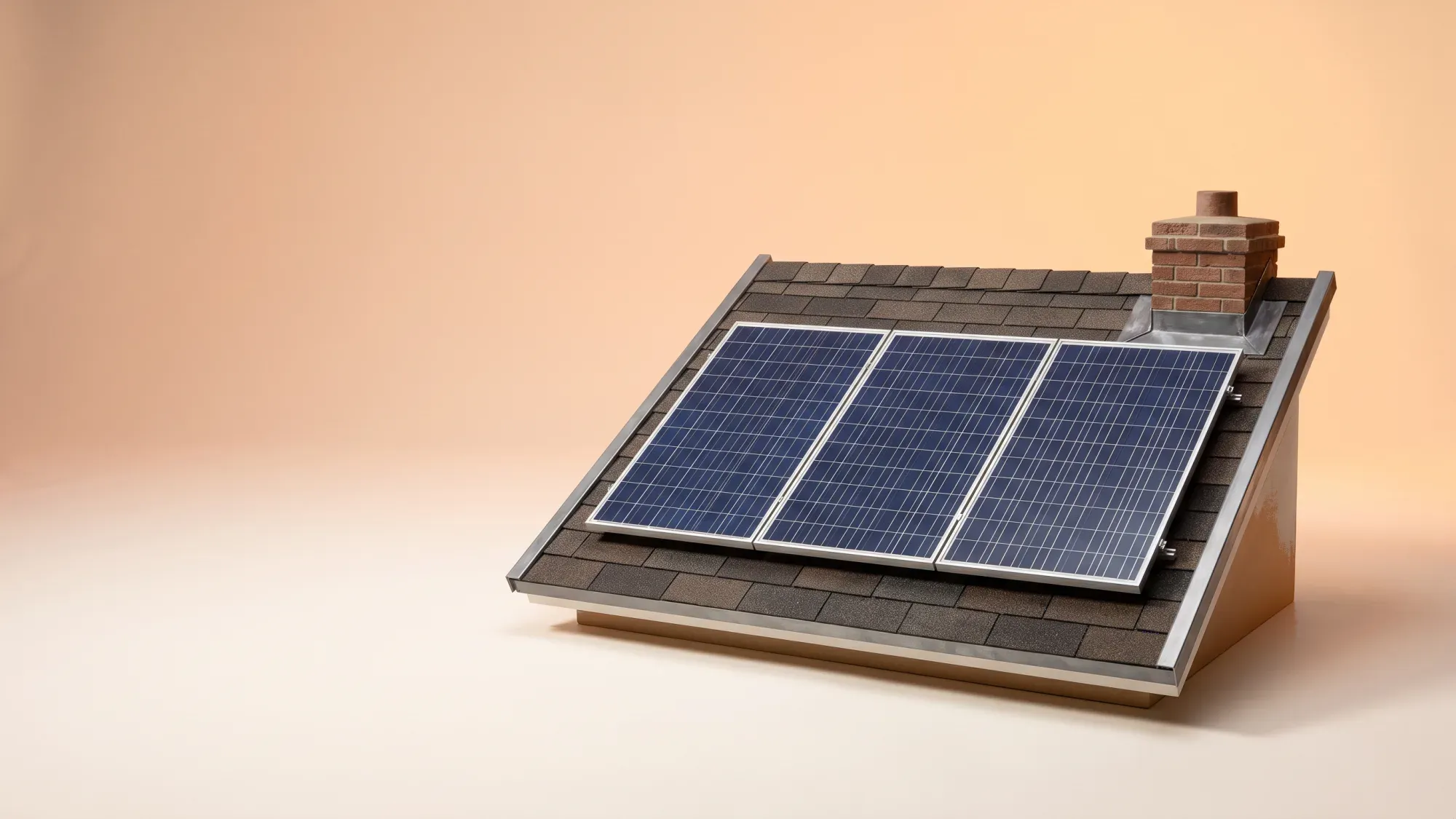
Truly 'free' solar panels are rare, but UK homeowners can significantly reduce or even eliminate upfront costs through government grants and schemes. Understanding these initiatives is key to making solar power an accessible upgrade for your home.
Considering solar panels for your home? Fuse Energy can help you understand your energy usage and how solar could fit into your energy plan. Click here to get started.
Enter your address to get a quote and see how much you could save
The reality of 'free' solar power in the UK
The idea of "free solar" often captures attention, but the reality is more nuanced than a simple giveaway. While you might not find a universal grant that covers the entire cost for everyone, targeted support and financial mechanisms exist to make solar power highly affordable for many.
Understanding the true cost of solar
Installing solar panels involves an initial investment in equipment and labour. This cost can vary significantly based on system size, panel type, and installation complexity. However, focusing solely on the upfront price misses the bigger picture: solar power is a long-term investment that reduces ongoing electricity bills and can even generate income. The goal isn't always zero cost, but rather a minimal net outlay and substantial long-term savings.
Why 'free' often means funded or financed
When you hear "free solar panels", it typically refers to installations that are fully funded through government grants, subsidies, or innovative financing models. These schemes are designed to make renewable energy accessible, particularly to households that might otherwise struggle with the initial expense. Eligibility criteria usually apply, ensuring the support reaches those who need it most or where the environmental impact is greatest.
Key government grants and schemes for solar panels
Several government-backed programmes are available to help UK homeowners adopt solar power, significantly reducing the financial barrier.
The Energy Company Obligation (ECO4) scheme
The Energy Company Obligation (ECO4) scheme is a major government initiative designed to improve the energy efficiency of homes across England, Scotland, and Wales. Under ECO4, large energy suppliers are obligated to fund energy-saving upgrades, including solar panel installations, for eligible low-income and vulnerable households at no cost to the homeowner. This means that for qualifying households, the full cost of solar panel installation can be covered.
Who funds the ECO4 scheme?
The ECO4 scheme is fully funded by large energy suppliers operating in the UK. These companies are legally required to provide financial support for energy efficiency improvements in eligible homes, with the scheme regulated by Ofgem. Homeowners pay nothing at any stage.
To qualify, households typically need to be homeowners or private tenants (with landlord permission), receive certain Income-Related benefits, and have a property with an Energy Performance Certificate (EPC) rating of D, E, F, or G. The scheme is set to close on 31 December 2026, so checking eligibility sooner rather than later is advisable.
Other potential local and National initiatives
Beyond ECO4, local authorities sometimes offer additional support or flexible eligibility routes (known as 'LA Flex') for households that do not meet standard benefit criteria but are still considered low-income or vulnerable. These local schemes can provide further avenues for financial assistance, with councils setting their own eligibility criteria based on local needs and priorities.
VAT relief on solar installations
A significant financial incentive for solar panel installation in the UK is the current zero-rate VAT. Since 1 April 2022, the installation of energy-saving materials, including solar panels, in residential accommodation in Great Britain has been subject to 0% VAT. This relief was extended to Northern Ireland from 1 May 2023. This means you will not pay the standard 20% VAT on the cost of your solar system and its installation. This zero-rate is scheduled to last until 31 March 2027, when it is due to revert to 5%.
How solar power reduces your electricity costs
Installing solar panels is a direct way to take control of your energy bills and increase your home's energy independence.
Direct savings on your energy bills
The most immediate benefit of solar panels is the reduction in your electricity bills. By generating your own electricity, you rely less on power from the grid, which means you buy fewer units from your energy supplier. An average UK home uses around 2,500 kWh of electricity per year. A well-sized solar system can significantly offset this consumption, leading to noticeable savings, especially as energy prices fluctuate.
The Smart Export Guarantee (SEG) explained
When your solar panels generate more electricity than your home consumes, the surplus does not go to waste. The Smart Export Guarantee (SEG) is a UK government scheme that requires licensed electricity suppliers to pay you for any excess electricity you export back to the National Grid. Launched in January 2020, the SEG replaced the previous Feed-in Tariff (FiT) scheme.
Under the SEG, energy suppliers with over 250,000 domestic electricity customers must offer tariffs for exported power. While suppliers are free to set their own rates (above zero), this competition can lead to favourable payments for homeowners. To qualify, you will typically need an eligible renewable energy system (like solar PV), Microgeneration Certification Scheme (MCS) certification, and a smart meter to accurately record your exports. You do not even have to sign up for an SEG tariff with your main energy supplier; you can choose the provider offering the best rates.
Increasing your home's energy independence
Generating your own electricity with solar panels makes your home less reliant on external energy sources and the volatility of the energy market. This increased energy independence provides a sense of security and control over your household's power supply and costs. Pairing solar panels with battery storage can further enhance this independence, allowing you to store surplus electricity for use when the sun is not shining.
Eligibility and application: accessing solar support
Navigating the various schemes and finding the right support for solar panel installation requires understanding eligibility and following the correct application process.
Who qualifies for ECO4 and other grants?
Eligibility for the ECO4 scheme primarily targets low-income and vulnerable households. You may qualify if you receive benefits such as Universal Credit, Pension Credit, Income-Based Jobseeker's Allowance, Income-Related Employment and Support Allowance, or Income Support. Your property must also have a low energy efficiency rating (EPC D, E, F, or G). Even if you do not receive these benefits, you might still be eligible through the 'LA Flex' route, which allows local councils to identify households in need based on other criteria like low income or vulnerability.
Step-by-step guide to applying for solar schemes
- Check eligibility: Determine if you meet the criteria for schemes like ECO4 or any local grants. This often involves reviewing your household income, benefits received, and your property's EPC rating.
- Contact approved installers: For ECO4, you cannot apply directly to the government. Instead, you need to contact an approved ECO4 installer. They will assess your eligibility and conduct a property survey to determine suitable measures.
- Obtain quotes: Even if you qualify for a grant, it is wise to get multiple quotes from different installers to ensure you are getting a competitive offer and the best system for your needs.
- Understand terms: Carefully read all documentation related to grants, financing, and installation contracts. Ensure you understand what is covered, any obligations, and the long-term benefits.
- Apply for SEG: Once your solar panels are installed and certified (typically MCS certified), you can apply for an SEG tariff with an energy supplier. You will need a smart meter to measure your exports.
Finding reputable installers and getting quotes
Choosing a reputable solar installer is crucial. Look for companies with accreditations like MCS, which ensures quality and adherence to industry standards. Obtain detailed quotes that clearly outline the system components, installation costs, estimated generation, and any associated warranties. Do not hesitate to ask questions and compare offers before making a decision.
Making solar a 'power play' for your home
Embracing solar power is more than just an environmental choice; it is a strategic move that can empower homeowners with greater control over their energy future.
Long-term benefits and financial returns
The financial benefits of solar panels extend far beyond the initial installation. Over their lifespan, typically 20-25 years, solar panels can generate substantial savings on electricity bills and provide income through the SEG. This long-term financial return makes solar a sound investment for many UK households, increasing property value and offering protection against rising energy costs.
Empowering your home with clean energy
By installing solar panels, you are not just reducing your own bills; you are also contributing to a cleaner, more sustainable energy system. This move towards renewable energy empowers you to play an active role in the UK's energy transition, aligning your home with a future where abundant, clean power is the norm. It is a clear demonstration of how individual choices can collectively build a more resilient and independent energy landscape.
Managing your home's energy should be straightforward and rewarding. Fuse Energy offers clear pricing and in-app usage data to help you understand and control your energy consumption. Our 24/7 human support team is always ready to assist you. Make the switch to a smarter energy experience today. Click here to switch to Fuse Energy. Discover more about our mission to make energy abundant and accessible by clicking here.
Disclaimer
For the avoidance of doubt, this article is provided for informational purposes only and is not intended to constitute legal or financial advice. The author and/or Fuse Energy shall not be responsible for any losses arising out of any reliance on the information contained herein.