Solar panel size for UK homes explained
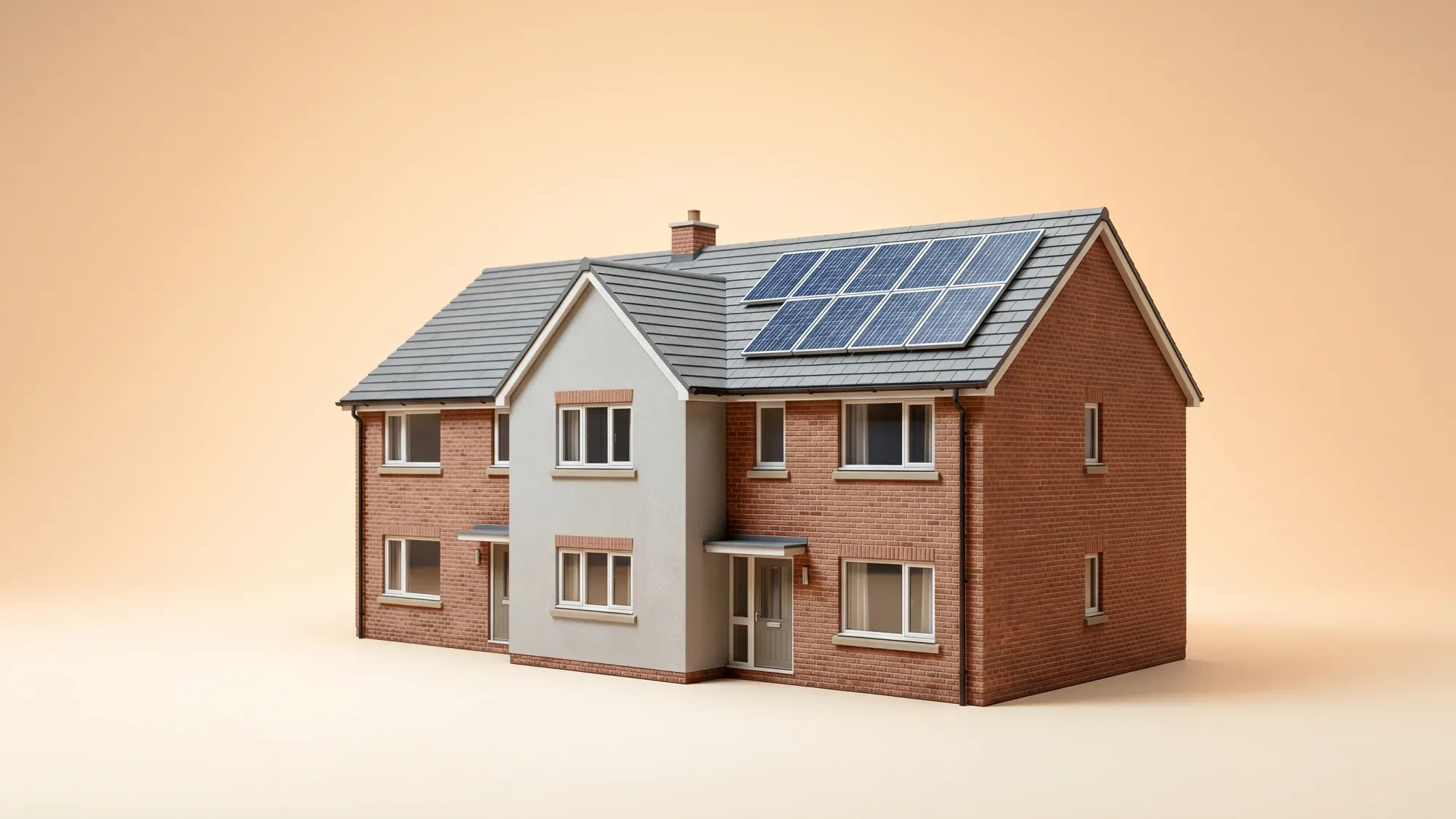
Sizing your solar panels correctly is the first step towards generating abundant energy for your home, giving you more power to use freely and without anxiety. Understanding the physical dimensions and power output of solar panels, alongside your home's specific energy needs and roof characteristics, is crucial for designing an effective system. This guide breaks down the practical implications for UK homeowners, empowering you to make informed decisions about integrating solar into a holistic home energy system.
Understanding solar panel dimensions
Solar panels come in various sizes, but residential installations in the UK typically use standard dimensions to maximise roof coverage and energy generation.
Common physical sizes for UK homes
Standard residential solar panels usually measure approximately 1.7 metres by 1.0 metre. These dimensions are a good balance, allowing for efficient manufacturing, transport, and installation while providing a significant surface area for sunlight capture. While larger panels exist, they can be more challenging to handle and may not suit all roof configurations, especially those with dormers, chimneys, or other obstructions.
What are the typical dimensions of residential solar panels in the UK?
Standard residential solar panels in the UK generally measure around 1.7 metres in length by 1.0 metre in width. These dimensions are common because they offer a good balance between power output, ease of handling, and suitability for various roof sizes and shapes found on UK homes.
Weight and roof load considerations
The weight of solar panels is an important factor. A typical solar panel weighs between 18 and 25 kg. When you consider the mounting system and the potential for snow load, the total additional weight on your roof can be substantial. Most modern UK roofs are designed to handle this additional load, but a professional structural assessment is always recommended before installation. This ensures your roof can safely support the system over its lifespan, providing peace of mind and preventing future issues.
Solar panel power output and efficiency
Beyond physical size, a panel's power output and efficiency are key to how much electricity your system will generate.
What do Watts (w) and kilowatt-hours (kWh) mean?
When discussing solar panels, you'll often hear about Watts (W) and kilowatt-hours (kWh). Watts measure the instantaneous power output of a solar panel under ideal conditions. For example, a 400W panel can produce 400 Watts of power at any given moment. Kilowatt-hours (kWh), on the other hand, measure energy consumption or generation over time. One kWh is equivalent to using 1,000 Watts for one hour. Your electricity bill is measured in kWh, reflecting the total energy your home consumes.
Efficiency ratings and their impact
Solar panel efficiency refers to how effectively a panel converts sunlight into electricity. Modern solar panels for homes typically have a power output between 350W and 450W. A higher efficiency rating means a panel can generate more electricity from the same amount of sunlight, or generate the same amount of electricity from a smaller physical footprint. This is particularly important for UK homes with limited roof space, as it allows you to maximise generation within the available area.
Monocrystalline vs polycrystalline panels
The two main types of solar panels for residential use are monocrystalline and polycrystalline. Monocrystalline panels are generally more efficient and have a sleeker, darker appearance. They are made from a single crystal of silicon, allowing electrons to flow more easily. Polycrystalline panels are made from multiple silicon fragments, making them slightly less efficient but often more affordable. Given the typical roof space constraints and the desire for maximum output in the UK climate, monocrystalline panels are often preferred for their higher efficiency and compact dimensions.
Assessing your home's suitability for solar
Your home's unique characteristics play a significant role in determining the optimal solar panel system.
Roof space, pitch, and orientation
The amount of usable roof space dictates how many panels you can install. Beyond sheer size, the roof's pitch (angle) and orientation are critical. UK homes with south-facing roofs generally achieve the highest solar energy generation. East or west-facing roofs can still be viable, providing good morning or afternoon generation respectively, though with slightly lower overall output than a south-facing array. A very shallow or very steep pitch might also affect efficiency or require specialised mounting.
Shading analysis and its importance
Shading from nearby trees, chimneys, or other buildings can significantly reduce a solar panel system's performance. Even partial shading on one panel can impact the output of an entire string of panels. A thorough shading analysis is essential during the planning stage to identify potential issues and design a system that minimises losses. This might involve strategic panel placement or using optimisers and micro-inverters to mitigate the effect of shading on individual panels.
Future energy needs for your home
When planning your solar installation, it's vital to consider not just your current electricity consumption but also your anticipated future needs. Many homeowners underestimate future demand, especially with the growing adoption of electric vehicles (EVs) and heat pumps. These technologies can substantially increase your household's electricity usage. Sizing your system with future upgrades in mind ensures you have ample "power to play with" as your energy demands evolve, avoiding the need for costly expansions later.
Calculating your solar panel needs
Translating your energy consumption into the right number of solar panels involves a few key steps.
Determining your household's energy consumption
The average UK home uses around 2,700 kWh of electricity per year1. This figure serves as a useful baseline, but your actual consumption might vary. Reviewing your past electricity bills will give you a precise understanding of your household's energy usage patterns. Consider how this might change with new appliances, an EV, or a heat pump.
Matching panel output to demand
Once you know your annual kWh consumption, you can estimate how many panels you'll need. For example, if a single 400W panel generates approximately 350 to 450 kWh per year in the UK (depending on factors like sunlight hours, efficiency, and orientation), you can divide your annual consumption by this figure to get a rough panel count. Remember that actual output will vary based on site-specific conditions and weather.
How many panels for an average UK home?
For an average UK home using 2,700 kWh per year, and assuming each 400W panel generates around 400 kWh annually (within the typical range of 350 to 450 kWh per year), you would need approximately 7 panels (2700 kWh / 400 kWh/panel = 6.75 panels). This is a general estimate; a professional installer will provide a more accurate calculation based on your specific roof and local solar irradiation data.
Installation considerations and next steps
Once you have a good understanding of solar panel sizing, the next steps involve practical installation and integration.
Planning permission and regulations
For most domestic installations in the UK, planning permission for solar panels is generally not required, as they fall under "permitted development" rights. However, specific rules apply in conservation areas, on listed buildings, or for larger systems that extend significantly beyond the roofline. It's always wise to check with your local planning authority to ensure compliance. Additionally, all solar panel installations in the UK must adhere to Microgeneration Certification Scheme (MCS) standards, which ensure quality and eligibility for government incentives.
Choosing a qualified installer
Selecting a qualified and reputable solar installer is paramount. They will conduct a professional site assessment, considering your roof's structure, orientation, pitch, and any potential shading. An experienced installer can design a bespoke system that maximises energy generation for your property and handles all necessary paperwork, including grid connection applications.
Integrating with batteries and smart systems
Sizing your solar panels correctly is the foundational step towards a more energy-independent home. However, the true "power to play with" comes from integrating your solar array with other home energy upgrades. Battery storage allows you to store excess solar energy generated during the day for use in the evenings or during periods of low sunlight, reducing your reliance on grid electricity. Smart energy management systems can optimise when your appliances run, when your EV charges, and when to draw from or feed into the grid, giving you transparency and control over your energy generation and consumption.
References
Disclaimer
For the avoidance of doubt, this article is provided for informational purposes only and is not intended to constitute legal or financial advice. The author and/or Fuse Energy shall not be responsible for any losses arising out of any reliance on the information contained herein.