Solar panels typically last between 20 and 30 years. As more homes across the UK adopt solar energy, understanding how to manage these panels responsibly at the end of their life is increasingly important. This article covers regulations, processes, and costs associated with solar panel recycling.
Why solar panel recycling matters
The environmental imperative
Responsible solar panel recycling is vital for environmental protection. Improper disposal can lead to valuable materials ending up in landfill. Some panels contain trace amounts of hazardous substances, such as lead or cadmium, which could leach into the environment if not handled correctly. Recycling prevents potential contamination and reduces the overall environmental footprint of solar energy.
Recovering valuable materials
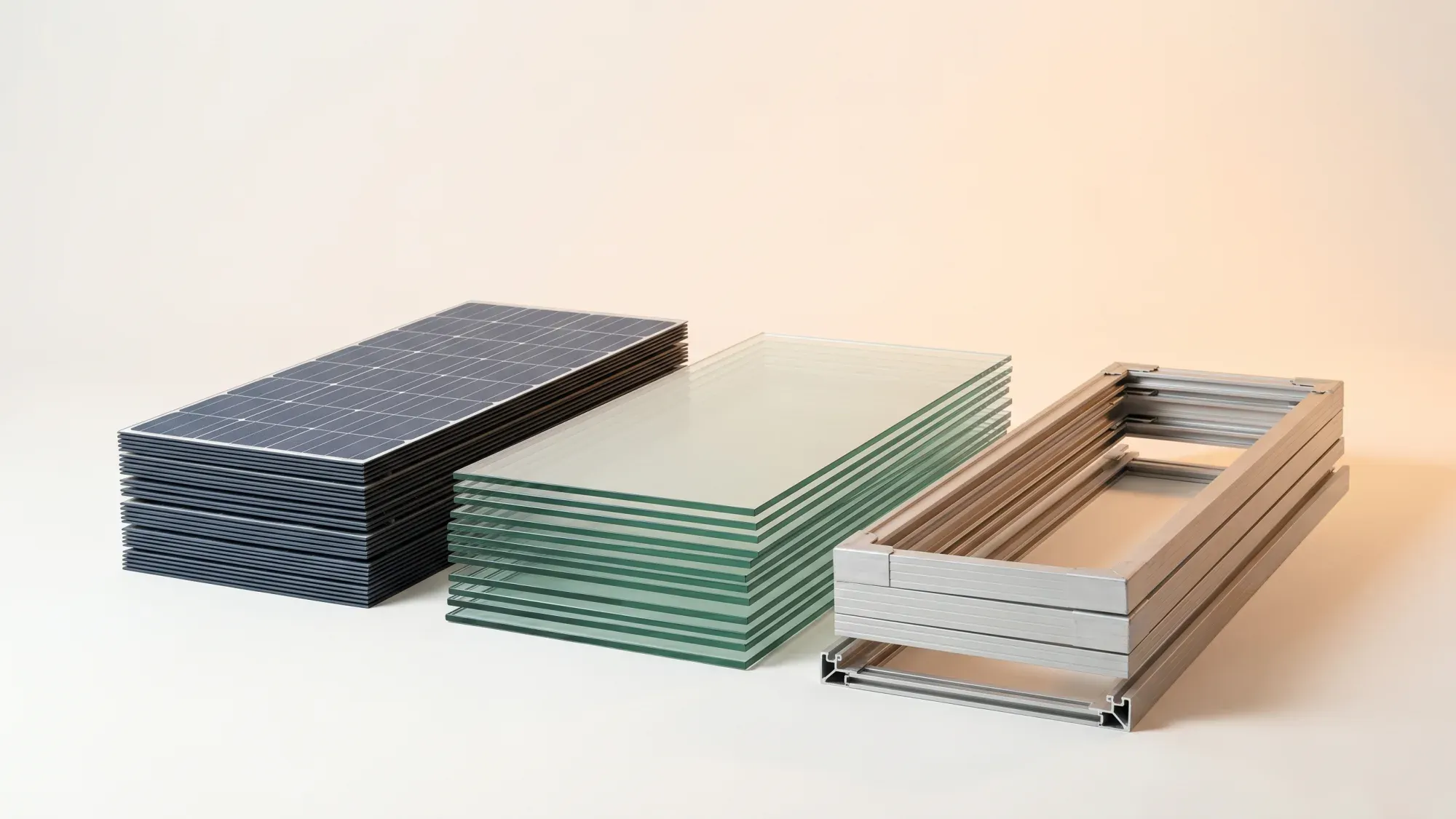
Solar panels are rich in valuable materials that can be recovered and reused. Components such as glass, aluminium, and silicon make up the majority of a panel's weight. Modern recycling techniques can recover up to 95% of these materials, including copper and silver. Recovering these materials reduces the need for new raw material extraction, supporting a more circular economy and conserving natural resources.
The growing challenge of end-of-life panels
With solar panel installations rapidly increasing over the past two decades, a significant volume of panels will reach their end-of-life in the coming years. Proactive and efficient recycling infrastructure is essential to manage this growing waste stream effectively and ensure the sustainability of solar energy.
UK regulations and producer responsibility
The WEEE Directive and solar panels
Solar panels are classified as Waste Electrical and Electronic Equipment (WEEE) under UK law. The UK's WEEE Regulations implement the EU WEEE Directive, placing a legal obligation on manufacturers and importers (known as 'producers') of solar panels to finance the collection and recycling of end-of-life panels placed on the market.
Obligations for homeowners
Homeowners are generally not directly responsible for WEEE compliance costs. These costs are typically covered by the producer through compliance schemes, meaning you won't usually face direct charges for the recycling of your domestic solar panels. However, you are responsible for ensuring your panels are disposed of through an accredited route.
Obligations for businesses and installers
Businesses, particularly those with large-scale solar installations, may have specific obligations under WEEE regulations regarding the disposal of their photovoltaic (PV) modules. Installers also play a crucial role in guiding their clients on compliant recycling practices. Companies that manufacture, import, or distribute solar panels in the UK must register with a WEEE compliance scheme.
The solar panel recycling process
Collection and logistics
The recycling process begins with the safe removal and collection of end-of-life solar panels. This often involves specialist companies who can handle the panels carefully to prevent breakage and ensure safe transport to a recycling facility. Depending on the service, panels may be collected from your site or require drop-off at a designated centre.
Material separation and recovery
Once at a dedicated facility, solar panels undergo a specialised recycling process. This typically involves disassembling the panels to separate different materials. Aluminium frames are removed, and the glass is often separated. Thermal or chemical processes are then used to recover silicon, copper, and other valuable metals from the solar cells.
What happens to the recovered materials?
The recovered materials have various uses. Recycled glass can be used in new glass products or insulation, aluminium can be re-smelted for new manufacturing, and silicon can be purified for reuse in new solar cells or other electronic components. This closed-loop approach minimises waste and conserves resources.
Costs and practical considerations
Factors influencing recycling costs
The cost of solar panel recycling in the UK can vary significantly. Factors that influence the price include the type of panel (crystalline silicon versus thin-film), the quantity of panels, your location, and whether you require collection services or can drop them off. It is important to obtain quotes from several providers to understand the potential costs.
Preparing panels for recycling
Before collection or drop-off, ensure your panels are safely disconnected and handled. While you are not expected to dismantle the panels yourself, preparing them for transport by ensuring they are secure and accessible can help streamline the process and potentially reduce collection costs. Always follow the guidance of your chosen recycling provider.
Government support for solar (installation, not recycling)
Government support schemes in the UK, such as ECO4 and the Smart Export Guarantee (SEG), primarily focus on incentivising solar panel installation and energy generation. These schemes do not directly cover the costs associated with end-of-life solar panel recycling. ECO4, for instance, helps households with energy efficiency upgrades and renewable installations, while SEG pays you for surplus electricity exported to the grid.
Finding a solar panel recycling service
Accredited recycling companies
When seeking a recycling service, look for companies accredited to handle WEEE, specifically solar panels. These companies adhere to environmental standards and regulations, ensuring your panels are processed compliantly. Many specialist solar recycling firms operate across the UK.
Questions to ask potential providers
Before committing to a service, ask about their collection process, the materials they recover, their WEEE compliance, and whether they provide documentation confirming responsible recycling. Understanding these details will help you make an informed decision.
Local options and national services
While some local recycling centres may accept certain WEEE items, solar panels often require specialist handling due to their size and composition. It's usually more effective to seek out national solar panel recycling services or companies that offer collection in your region.
The future of solar panel recycling
Advancements in recycling technology
The field of solar panel recycling is continually evolving. Researchers are developing new technologies to increase material recovery rates and reduce the energy required for recycling. Innovations include more efficient methods for separating materials and recovering high-purity silicon and precious metals.
Towards a circular economy for solar
The goal is to establish a truly circular economy for solar technology, where nearly all materials from old panels are recovered and reused in the manufacture of new ones. This vision aligns with the broader aim of abundant, clean energy by ensuring valuable resources are not wasted.
The role of innovation
Ongoing innovation in panel design, making them easier to disassemble, and in recycling processes will be crucial for the long-term sustainability of solar power. As the industry matures, these advancements will make responsible end-of-life management more efficient and cost-effective.
For the avoidance of doubt, this article is provided for informational purposes only and is not intended to constitute legal or financial advice. The author and/or Fuse Energy shall not be responsible for any losses arising out of any reliance on the information contained herein.