Solar panel and battery systems explained
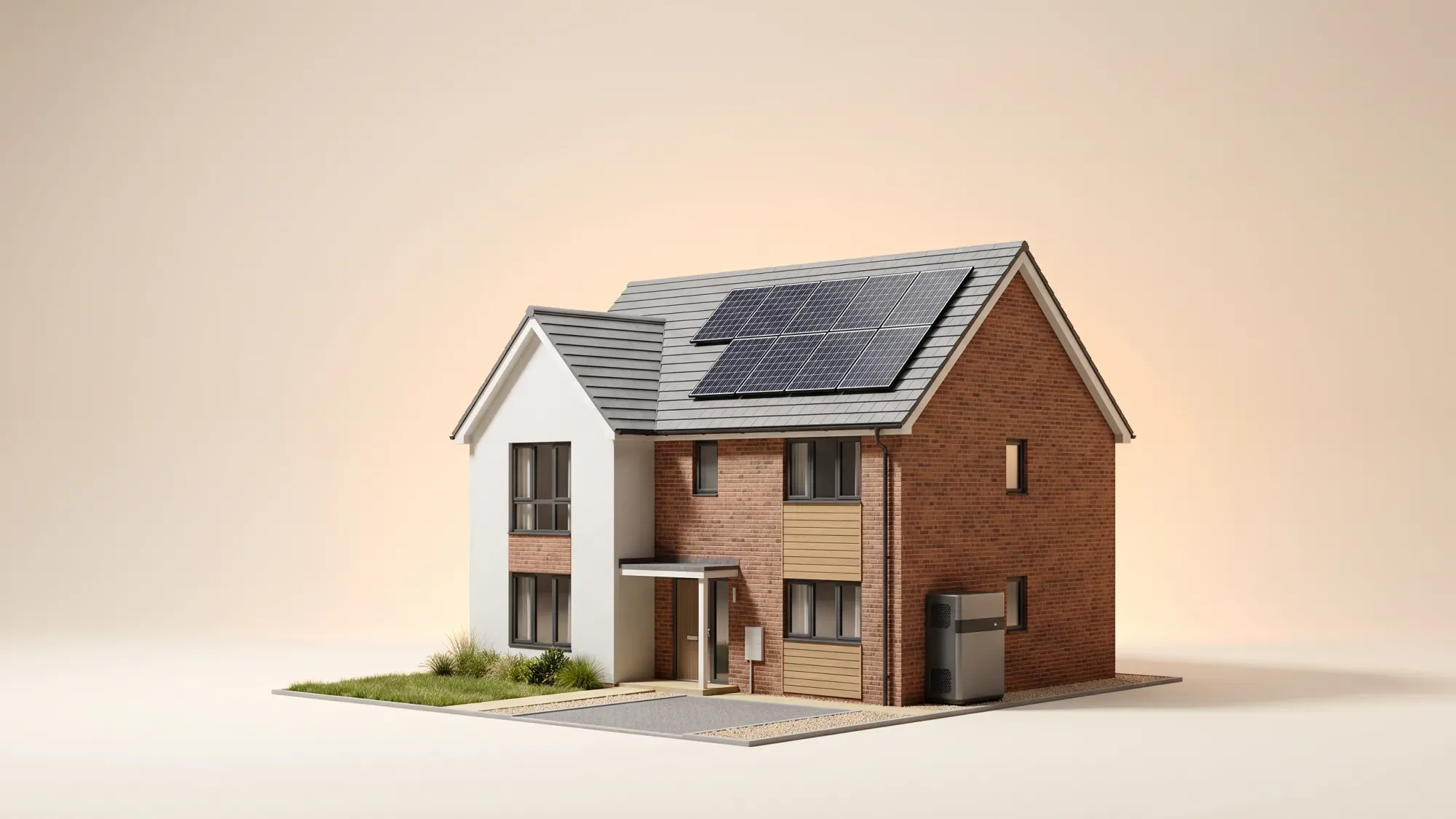
Harnessing the sun's energy with solar panels and storing it in batteries offers UK homeowners a powerful way to take control of their electricity. This combination provides energy independence, reduces reliance on the grid, and unlocks significant long-term savings. It's a strategic move that shifts the balance of power over energy back to the homeowner, challenging the traditional scarcity mindset.
How solar panels and batteries work together
A home solar and battery system integrates two core technologies to provide a consistent and self-sufficient energy supply.
Capturing sunlight: the role of solar panels
Solar panels, typically installed on rooftops, convert sunlight into direct current (DC) electricity using photovoltaic (PV) cells. Even in the UK's often cloudy climate, modern solar panels are highly effective, converting diffuse light into electricity. They perform efficiently in cooler temperatures, which can sometimes even boost their performance compared to extremely hot conditions. This DC electricity then flows to an inverter, which transforms it into alternating current (AC) electricity, the type used by household appliances and the National Grid. Your home uses this solar-generated electricity first.
Storing power: the role of battery storage
Batteries store any excess AC electricity generated by your solar panels that your home doesn't immediately use. Without a battery, this surplus energy would typically be exported to the National Grid. With battery storage, you can save this energy for later use, such as during the evening, at night, or on cloudy days when your panels are not producing enough power. This significantly increases the amount of your own solar energy you can use at home, reducing how much electricity you need to buy from your energy supplier.
Seamless integration for home energy
The inverter acts as the brain of your solar and battery system, managing the flow of electricity. It directs solar power to your home's appliances, charges the battery with any surplus, and draws power from the battery when solar generation is low. If both solar and battery power are insufficient, the system seamlessly draws electricity from the National Grid. This integrated approach ensures your home always has power, while maximising your use of self-generated, free electricity.
The benefits for UK homeowners
Installing solar panels with battery storage offers a multitude of advantages, empowering homeowners with greater control over their energy future.
Achieving energy independence and control
Generating and storing your own electricity provides a tangible sense of energy independence. You become less vulnerable to fluctuations in wholesale energy prices and potential grid disruptions. This self-reliance means you have more 'power to play with,' freeing you from anxieties about energy bills and supply.
Reducing electricity bills and maximising savings
One of the most immediate benefits is a significant reduction in electricity bills. By using your own generated and stored power, you buy less electricity from the grid, especially during expensive peak hours. This can lead to substantial long-term savings.
How much electricity does the average UK home use?
The average UK home uses around 2,700 kWh of electricity per year, which equates to roughly 7.5 kWh per day1. Understanding your household's typical consumption is crucial for accurately sizing a solar and battery system to meet your needs.
Harnessing smart tariffs and export opportunities
With a smart meter and an eligible system, you can participate in the Smart Export Guarantee (SEG) scheme. This government-backed initiative requires larger energy suppliers to pay you for any excess renewable electricity you export back to the National Grid, providing certain criteria are met. Some smart tariffs also allow you to charge your battery from the grid during off-peak hours when electricity is cheaper, and then use that stored energy when prices are higher, further optimising your savings.
Choosing the right solar and battery system
Selecting the appropriate solar and battery system requires careful consideration of your household's specific energy needs and lifestyle.
Sizing your system for your home
The ideal size for your solar panel array and battery storage depends on your electricity consumption, roof space, and budget. An installer will assess your average daily and annual electricity usage to recommend a system that maximises self-consumption and minimises reliance on the grid.
Types of solar batteries available
Lithium-ion batteries are the most popular choice for home solar installations due to their high energy density, compact design, long lifespan, and efficient charging capabilities. While other chemistries exist, lithium-ion offers the best balance of performance and reliability for most modern UK homes.
Key considerations for installation
The installation process involves several steps, from initial assessment to final commissioning. It's crucial to work with certified and reputable installers. Installations must comply with Microgeneration Certification Scheme (MCS) standards to ensure quality and to qualify for incentives like the SEG. While planning permission is generally not required for rooftop solar panels in England, exceptions apply for properties in conservation areas or listed buildings, where additional consent may be needed.
Financial aspects and support
Investing in solar panels and battery storage is a significant decision, but various financial aspects and support mechanisms make it more accessible and rewarding.
Understanding installation costs
The cost of a solar panel and battery system varies based on size, panel type, battery capacity, and installation complexity. As of 2026, a standard 4kW solar PV system typically costs between £6,500 and £8,800, with a 5kWh battery adding another £3,500 to £5,000 to the total cost. Overall, a solar panel system with battery storage can range from £8,000 to £18,000+ depending on size and complexity. While the upfront cost can seem substantial, it's essential to consider the long-term savings on electricity bills and the increased property value.
Grants, incentives, and VAT relief
The UK government offers several incentives to encourage the adoption of renewable energy technologies. Crucially, 0% VAT on solar panel and battery installations in the UK applies until 31 March 2027. This relief applies to both materials and labour for residential properties, potentially saving homeowners hundreds or even thousands of pounds. Other schemes, such as ECO4, may offer full funding for eligible low-income households.
Long-term return on investment
The long-term return on investment for solar and battery systems goes beyond just financial savings. It includes enhanced energy security, reduced carbon footprint, and increased property value. By reducing your reliance on grid electricity, you protect yourself from future energy price rises, making your home more resilient and sustainable.
Making the power play for your home
Embracing solar panels and battery storage is a strategic "power play" that puts you in control of your energy. It's about building a future where energy is abundant and managed on your terms.
Steps towards your solar and battery system
- Assess your needs: Understand your home's energy consumption and potential for solar generation.
- Research technologies: Explore different solar panel and battery options that suit your requirements.
- Obtain quotes: Get detailed quotes from certified MCS installers.
- Explore incentives: Investigate available government grants, VAT relief, and SEG tariffs.
- Plan installation: Work with your chosen installer to plan the installation process.
- Monitor performance: Optimise your system's performance to maximise benefits and savings.
Optimising your system for abundant energy
Once installed, monitoring and optimising your system's performance ensures you get the most out of your investment. This includes understanding your energy usage patterns, adjusting battery charging schedules to take advantage of smart tariffs, and ensuring your system is always operating efficiently. With Fuse, homeowners gain the 'power to play with' their energy, becoming active participants in a modern, decentralised energy system. Fuse's 24/7 human customer support ensures you always have assistance to maximise your energy independence and system performance.
References
Disclaimer
For the avoidance of doubt, this article is provided for informational purposes only and is not intended to constitute legal or financial advice. The author and/or Fuse Energy shall not be responsible for any losses arising out of any reliance on the information contained herein.