Solar panel finance options
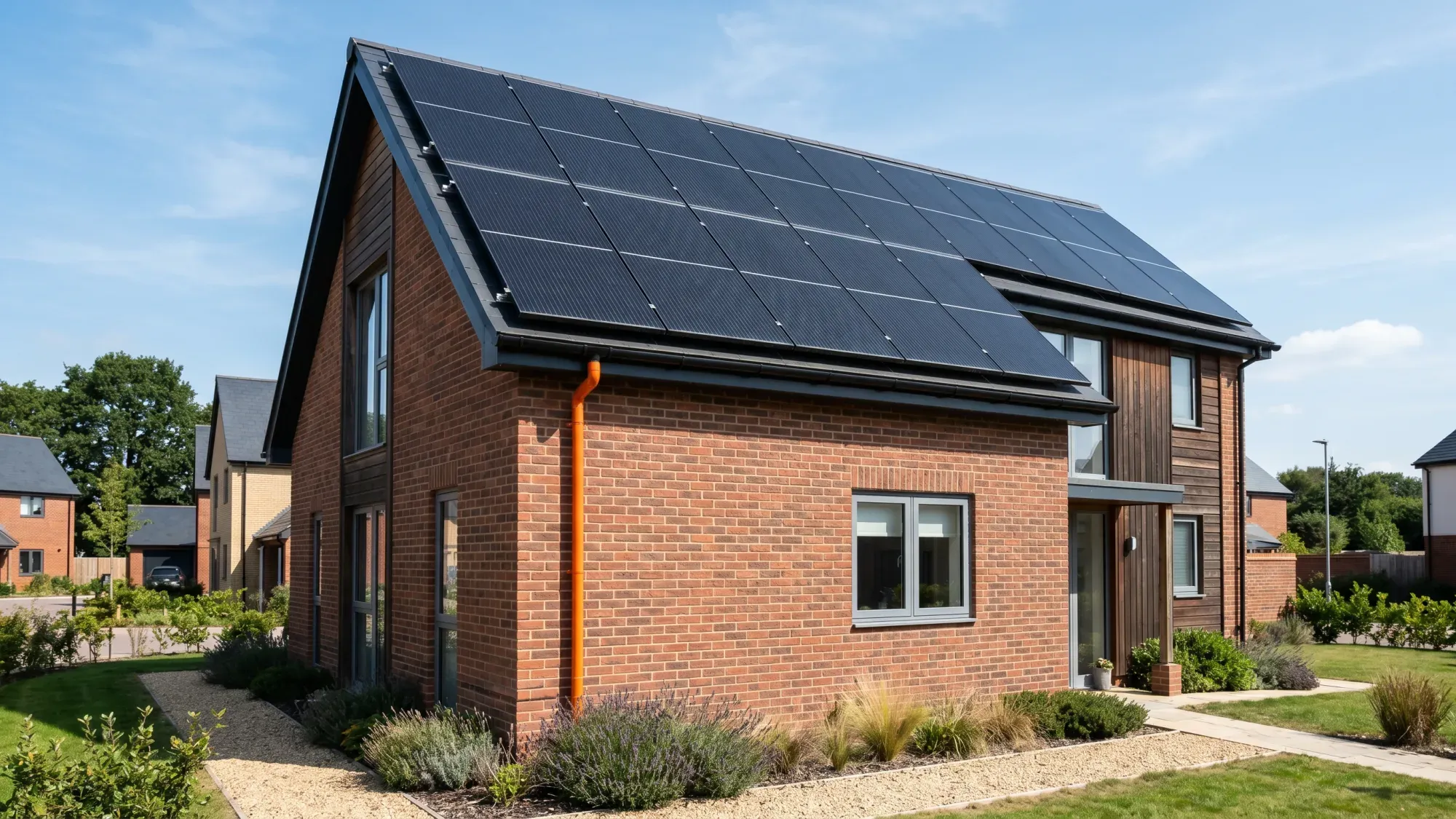
Many UK homeowners considering solar panels often ask two key questions: what is the cost, and how can it be paid for without financial strain? These are fair points, as the array of schemes and finance options can seem overwhelming. The good news is that installing solar panels can significantly reduce your energy bills and boost your property's value, and there are several ways to make the initial investment manageable.
This guide aims to clarify the various solar finance options available, from dedicated loans to government incentives, helping you make an informed decision for your home and your finances.
Why finance your solar panels?
Financing your solar panels isn't just about managing an upfront cost; it's about investing in a more sustainable and financially secure future for your home. It allows you to access the benefits of solar energy sooner, without compromising your current financial stability.
The investment in clean energy
Choosing to install solar panels is a direct investment in clean, renewable energy. It aligns with a vision of energy abundance, where your home contributes to a future less reliant on finite resources. By generating your own electricity, you gain greater independence from fluctuating energy prices and contribute to a greener grid.
Long-term savings and property value
Solar panels are a proven way to reduce your household's electricity bills. Over their lifespan, typically 20-25 years, the savings can be substantial. Beyond immediate bill reductions, solar installations can also increase your property's value, making your home more attractive to potential buyers in the future.
Understanding solar panel costs
The upfront cost of installing solar panels is often the biggest hurdle for homeowners, but it is an investment that pays dividends over time. Knowing what contributes to this cost is the first step towards finding the right finance solution.
Typical installation expenses
The total cost of a solar panel system varies widely depending on several factors. This covers not just the panels themselves, but also the inverter, mounting system, wiring, and labour. A typical UK home uses around 2,700 kWh of electricity per year1, so sizing your system appropriately to meet this demand is key to optimising your investment.
Factors influencing price
Several elements dictate the final price tag. The size of your system, measured in kilowatts peak (kWp), is a primary driver; a larger system capable of generating more electricity will naturally cost more. The efficiency and brand of the solar panels also play a role, with premium panels offering better performance but at a higher price. Installation complexity, such as roof type or accessibility, can also impact labour costs.
Key solar finance options for homeowners
Navigating the financial landscape for solar panels can seem daunting, but several options are available to make the investment more accessible. Each comes with its own set of terms and benefits, so it's worth exploring which best fits your circumstances.
Green loans and personal loans
Green loans are specifically designed for energy-efficient home improvements, including solar panel installations. They often come with lower interest rates compared to standard personal loans, reflecting their environmental benefit. Many high-street banks and credit unions now offer these products, sometimes with additional incentives like cashback for eligible improvements. Personal loans are another option, offering flexibility in borrowing amounts and repayment terms, though their interest rates may be higher than dedicated green loans.
What is a green loan?
A green loan is a type of personal loan specifically offered for environmentally friendly home improvements, such as installing solar panels. These loans often feature more favourable interest rates or terms compared to standard personal loans, encouraging homeowners to invest in energy-efficient upgrades.
Installer finance schemes
Many solar panel installers offer their own finance packages, which can include interest-free credit or low-interest loans. These schemes are often convenient, as they bundle the cost of the system and installation into a single payment plan. It's crucial to compare offers from multiple installers to ensure you're getting competitive rates and terms.
Remortgaging and home equity loans
If you have sufficient equity in your home, remortgaging or taking out a home equity loan can be a way to finance solar panels. These options typically offer lower interest rates than unsecured personal loans, as they are secured against your property. However, they also mean your home is collateral, so it's important to consider the risks involved.
Solar panel leasing and power purchase agreements (PPAs)
Leasing solar panels means a third party owns and maintains the system on your roof, and you pay a monthly fee to use the electricity generated. Power Purchase Agreements (PPAs) are similar, where you agree to buy the electricity generated by the panels at a fixed rate, often lower than grid prices. Both options can reduce upfront costs significantly, but you won't own the system or benefit from government incentives like the Smart Export Guarantee.
Government support and incentives
The UK government offers several incentives to encourage homeowners to adopt solar energy, helping to reduce the overall cost of installation and increase the financial benefits.
VAT relief for solar installations
Currently, residential solar panel installations in the UK benefit from a 0% VAT rate. This means you pay no Value Added Tax on the equipment or the labour for installation, leading to significant savings on the total cost. This relief is set to last until 31 March 2027, after which it is expected to revert to a reduced rate of 5%.
Smart Export Guarantee (SEG)
The Smart Export Guarantee (SEG) is a government-backed initiative that ensures homeowners are paid for any surplus electricity they export to the National Grid. If your solar panels generate more electricity than your home uses, you can sell the excess back to an energy supplier. All large energy suppliers - those with over 150,000 domestic electricity customers - must offer SEG tariffs. Smaller suppliers can choose to do so. Tariff rates must always be above zero, but they vary between suppliers, so it pays to shop around for the best deal. To qualify for SEG payments, you'll typically need an eligible renewable system, Microgeneration Certification Scheme (MCS) certification, and a smart meter that records your exported electricity.
Choosing the right solar finance solution
Selecting the best finance option for your solar panels requires careful consideration of your personal financial situation and long-term goals.
Assessing your financial situation
Before committing to any finance option, evaluate your budget, credit score, and how comfortable you are with different levels of debt. Consider your current energy usage and how much you expect to save on bills to understand the potential return on investment.
Comparing offers and terms
Don't settle for the first offer you receive. Obtain quotes from multiple lenders and installers, paying close attention to interest rates, repayment periods, any associated fees, and the total cost of borrowing. A thorough comparison will help you find the most cost-effective solution.
The importance of accredited installers
Regardless of your chosen finance method, always use an accredited solar installer. Certification schemes, such as MCS, ensure that your installation meets high quality and safety standards. This is often a requirement for accessing government incentives like the Smart Export Guarantee.
Making your solar investment achievable
Investing in solar panels is a significant decision, but with the right financial planning, it's an achievable goal for many UK homeowners.
Steps to secure your solar finance
- Assess your energy needs: Understand your household's electricity consumption to determine the appropriate solar system size.
- Obtain multiple quotes: Get detailed proposals from several certified solar installers.
- Research government incentives: Familiarise yourself with current schemes like VAT relief and the Smart Export Guarantee.
- Explore finance options: Compare green loans, personal loans, and installer finance schemes.
- Review terms and conditions: Pay close attention to interest rates, repayment schedules, and any hidden fees.
- Choose and proceed: Select the best option for your circumstances and move forward with the installation.
Future-proofing your home with solar
Financing solar panels is more than just a purchase; it's an investment in the future resilience and value of your home. By embracing solar, you're not only reducing your carbon footprint but also securing a more predictable energy future, free from the constant worry of rising energy bills.
References
- UK Government. Subnational electricity and gas consumption statistics
Disclaimer
For the avoidance of doubt, this article is provided for informational purposes only and is not intended to constitute legal or financial advice. The author and/or Fuse Energy shall not be responsible for any losses arising out of any reliance on the information contained herein.