Solar fencing for rural properties
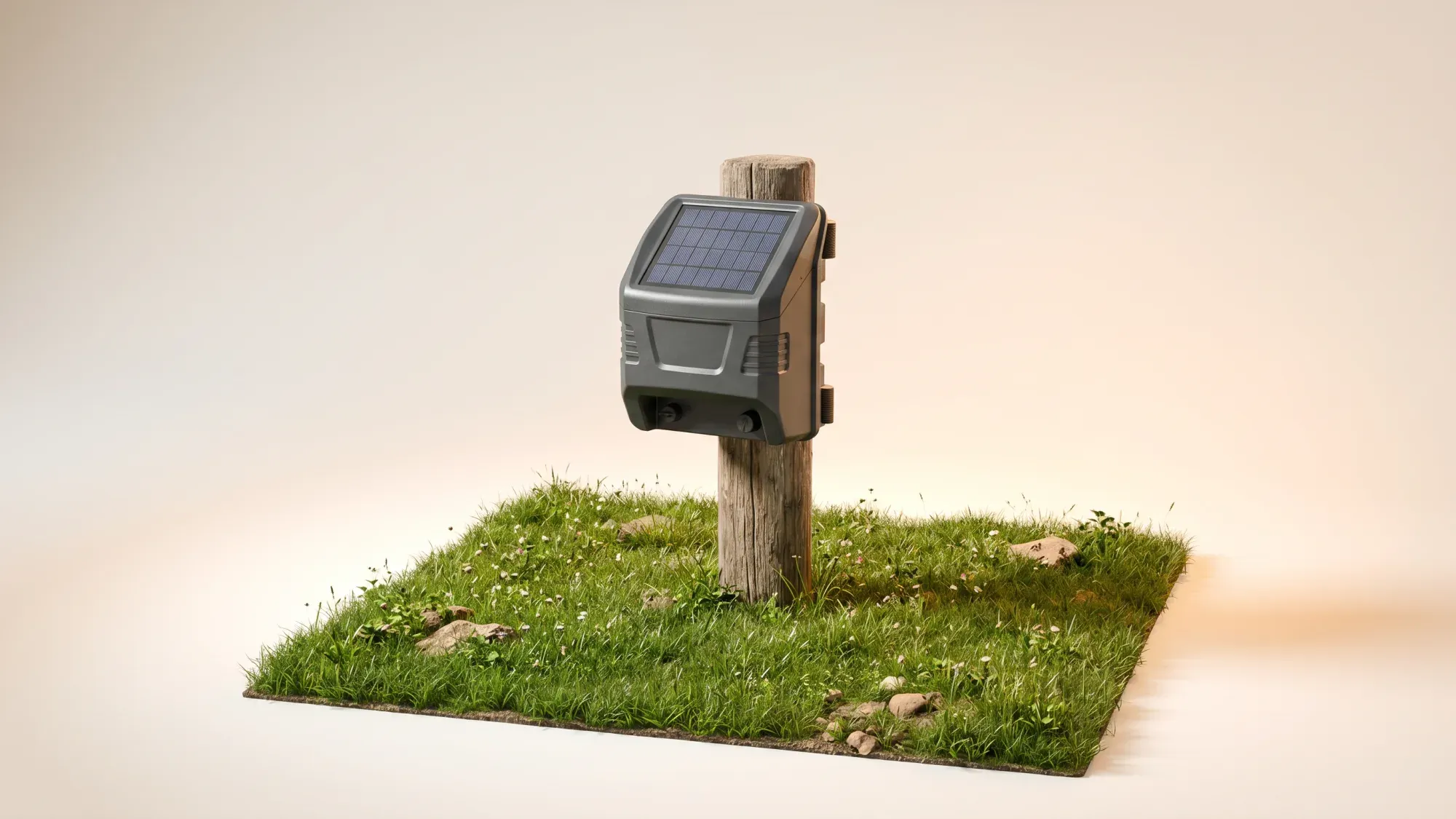
For rural property owners, farmers, and smallholders, securing land or containing livestock without easy access to mains electricity can be a challenge. Solar fencing offers a reliable, off-grid solution, providing independence from traditional power sources and reducing the hassle and cost of frequent battery changes. This technology harnesses the sun's energy to power electric fence energisers, ensuring consistent protection and control for your property.
Considering solar fencing for your property means looking for reliable, off-grid energy solutions. Fuse Energy is committed to making energy simpler and more accessible for homes across Great Britain. Click here to see how Fuse can help you manage your home's energy needs.
Enter your address to get a quote and see how much you could save
What is solar fencing?
Solar fencing refers to electric fence systems powered by solar energy, making them ideal for remote locations. These systems convert sunlight into electrical energy, which is then stored in batteries to provide a continuous, high-voltage electrical barrier along fence wires.
Distinguishing solar-powered energisers from integrated solar fences
It is crucial to differentiate between two distinct applications of solar technology in fencing. Solar-powered electric fence energisers are designed specifically for animal containment or security, using solar panels to charge a battery that powers the fence's energiser. This system creates a pulsed electric shock to deter animals or intruders.
In contrast, integrated solar fence panels are primarily designed for generating grid-connected electricity, often embedding photovoltaic (PV) panels directly into the fence structure to produce power for homes. While these can also serve as a physical barrier, their main purpose is energy generation. This guide focuses on solar-powered electric fence energisers for containment and security.
How solar fencing works for off-grid applications
The working principle of a solar electric fence system is straightforward yet effective. A solar panel captures sunlight and converts it into electricity. This energy is then stored in a rechargeable battery, ensuring the fence remains operational even during periods without direct sunlight, such as at night or on cloudy days. An energiser then draws power from this battery, transforming it into high-voltage electrical pulses that are sent along the fence wires. If an animal or intruder touches the fence wire and the ground simultaneously, they complete a circuit and receive a brief, harmless, yet effective shock.
Benefits of solar fencing for rural properties
Solar fencing offers a compelling suite of advantages for rural properties, particularly in Britain's unique climate and geographical conditions.
Off-grid independence and reliability
One of the primary benefits of solar fencing is its ability to operate entirely off-grid, providing crucial independence from mains power. This makes it an excellent choice for remote fields, paddocks, or areas where running mains electricity would be impractical or prohibitively expensive. Modern solar technology ensures that these systems can maintain consistent power, even during less sunny winter months, reducing the need for frequent battery changes. This reliability offers peace of mind, knowing your containment or security system is continuously active.
Cost-effectiveness and environmental advantages
While the initial investment for a solar power fence system might be higher than traditional options, it eliminates ongoing electricity costs, leading to long-term savings. By harnessing free solar energy, property owners can significantly reduce their operational expenses. Furthermore, choosing solar power aligns with environmental sustainability goals, reducing reliance on fossil fuels and lowering carbon emissions.
How much electricity does an average UK home use?
The average UK home uses around 2,700 kWh of electricity per year, which equates to roughly 7.5 kWh per day1. This figure provides a useful baseline for understanding energy consumption, though individual usage varies based on factors like property size, occupancy, and appliance efficiency.
Enhanced security and animal containment
Solar electric fences provide enhanced security for property and effective animal containment. The electric shock delivered is designed to be a safe but noticeable deterrent, discouraging both animals from straying and potential intruders. This psychological barrier is highly effective without causing lasting harm. The versatility of solar fencing allows it to be tailored for various needs, from protecting crops to managing livestock such as horses, cattle, sheep, and pigs.
Types of solar fencing systems
Solar fencing systems come in various configurations to suit different needs, from temporary grazing solutions to robust perimeter security.
Portable solar electric fences
Portable solar electric fences are designed for flexibility and ease of movement, making them ideal for rotational grazing or temporary enclosures. These systems are typically compact and can be quickly set up and relocated as required. Many portable units feature integrated solar panels and batteries, offering an all-in-one solution for immediate deployment in off-grid areas.
Permanent solar-powered perimeter fences
For long-term security and containment, permanent solar-powered perimeter fences provide a durable and reliable solution. These systems are typically more robust, with larger solar panels and battery capacities to ensure consistent operation over extended periods and across greater distances. They are well-suited for defining property boundaries or securing large livestock areas.
Considerations for different livestock and security needs
The choice of solar fencing system depends heavily on the specific application. For instance, the required energiser power output and fence length will vary based on the type of animals being contained or the level of security needed. Livestock like sheep, with their insulating wool, may require a higher voltage output to ensure the fence is effective. Similarly, the presence of vegetation along the fence line can impact performance, necessitating a more powerful energiser or regular maintenance.
Key components of a solar power fence system
Understanding the individual components is essential for designing and maintaining an effective solar power fence system.
Solar panels and charge controllers
The solar panel is responsible for converting sunlight into electrical energy. For electric fences, these are typically photovoltaic (PV) panels, chosen for their efficiency in converting both direct and ambient light into electricity, even in less sunny conditions. The size of the solar panel needs to be carefully matched to the energiser's power consumption and the local sunlight conditions to ensure the battery remains adequately charged. A charge controller is an integral part of the system, preventing the battery from overcharging and protecting its longevity.
Batteries for consistent power supply
Batteries store the electricity generated by the solar panel, providing a continuous power supply to the energiser, especially during the night or overcast weather. For electric fences, 12V rechargeable batteries are commonly used. The battery's capacity should be sufficient to power the energiser for several days without sunlight, accounting for British weather variability. Deep cycle batteries are often recommended due to their ability to withstand repeated discharge and recharge cycles.
Electric fence energisers and earthing systems
The energiser is the heart of the electric fence, converting the stored battery power into high-voltage pulses that travel along the fence wires. These energisers are designed to provide consistent, reliable power for livestock control or perimeter security.
Proper earthing (grounding) is critical for the effectiveness and safety of any electric fence system. A robust earthing system ensures that when an animal or intruder touches the live fence wire, the electrical circuit is completed through the ground, delivering an effective shock. Without adequate earthing, the fence's deterrent effect can be significantly reduced.
Installation and maintenance of your solar fence panel
A well-planned installation and routine maintenance are key to ensuring your solar power fence operates effectively and reliably for years.
Planning and site selection for optimal performance
The first step in installing a solar fence is careful planning. Assess your specific needs for containment or security, including the required fence length and the type of animals or property to be protected. When selecting a site for the solar panel, prioritise locations with maximum exposure to sunlight throughout the day and year, free from obstructions like trees or buildings. Angling the panel correctly can also significantly improve charging efficiency.
Step-by-step installation guide
- Assess needs and fence length: Determine the perimeter to be fenced and the appropriate energiser power output needed for your application.
- Select components: Choose a suitable solar panel size, battery capacity, and energiser that are compatible and meet your power requirements, considering British sunlight conditions.
- Install the fence: Erect the physical fence structure, ensuring appropriate spacing and tension for the wires.
- Mount solar panel: Securely mount the solar panel in an optimal, unshaded location, ensuring it is angled for maximum sun exposure.
- Connect components: Wire the solar panel to the charge controller, then to the battery, and finally connect the battery to the electric fence energiser.
- Establish earthing system: Install a robust earthing system by driving earth stakes into moist ground and connecting them to the energiser's earth terminal.
- Test the system: Once installed, test the fence voltage to ensure it is operating correctly and delivering the intended deterrent effect.
Routine maintenance for longevity and efficiency
Regular monitoring and maintenance are crucial for the optimal performance and longevity of your solar fence system. This includes:
- Cleaning solar panels: Periodically clean the solar panels to remove dirt, dust, leaves, or other debris that can reduce charging efficiency.
- Checking battery health: Monitor the battery's charge level, especially during prolonged cloudy periods, and ensure it is not being over-discharged.
- Inspecting fence lines: Regularly check the fence wires for breaks, shorts, or vegetation growth that could reduce effectiveness.
- Verifying earthing: Ensure the earthing system remains intact and effective.
- Component checks: Inspect all connections and components for wear, corrosion, or damage.
Is solar fencing right for your property?
Deciding whether solar fencing is the right choice involves evaluating your specific requirements and local conditions.
Assessing your needs and local conditions
Consider the size of the area you need to protect or contain, the type of animals involved, and the availability of sunlight on your property. While British weather can be challenging, modern solar panels are designed to perform effectively even in lower light conditions. However, proper sizing of the solar panel and battery is essential to ensure year-round operation without manual intervention.
Long-term value and return on investment
Investing in solar fencing is a strategic 'power play' for rural property owners, shifting control over energy needs for containment and security into their own hands. It offers significant long-term value through reduced operating costs, enhanced reliability, and environmental benefits. By providing abundant, reliable energy for essential rural operations, solar-powered electric fence energisers embody the vision of 'power to play with', freeing users from grid dependency. Fuse Energy does not sell or install solar fencing products, but we believe in empowering rural property owners with information on innovative, off-grid solutions that challenge traditional, less flexible energy approaches.
At Fuse Energy, we believe in empowering you with more control over your home's energy. While we don't offer solar fencing, we're dedicated to making your domestic energy supply as clear, cost-effective, and reliable as possible. Our straightforward pricing, real-time usage data via the app, and 24/7 human customer support are all designed to give you power to play with. Ready to take control of your energy bills? Click here to switch to Fuse Energy today. You can also learn more about our mission to make energy abundant by clicking here.
References
Disclaimer
For the avoidance of doubt, this article is provided for informational purposes only and is not intended to constitute legal or financial advice. The author and/or Fuse Energy shall not be responsible for any losses arising out of any reliance on the information contained herein.