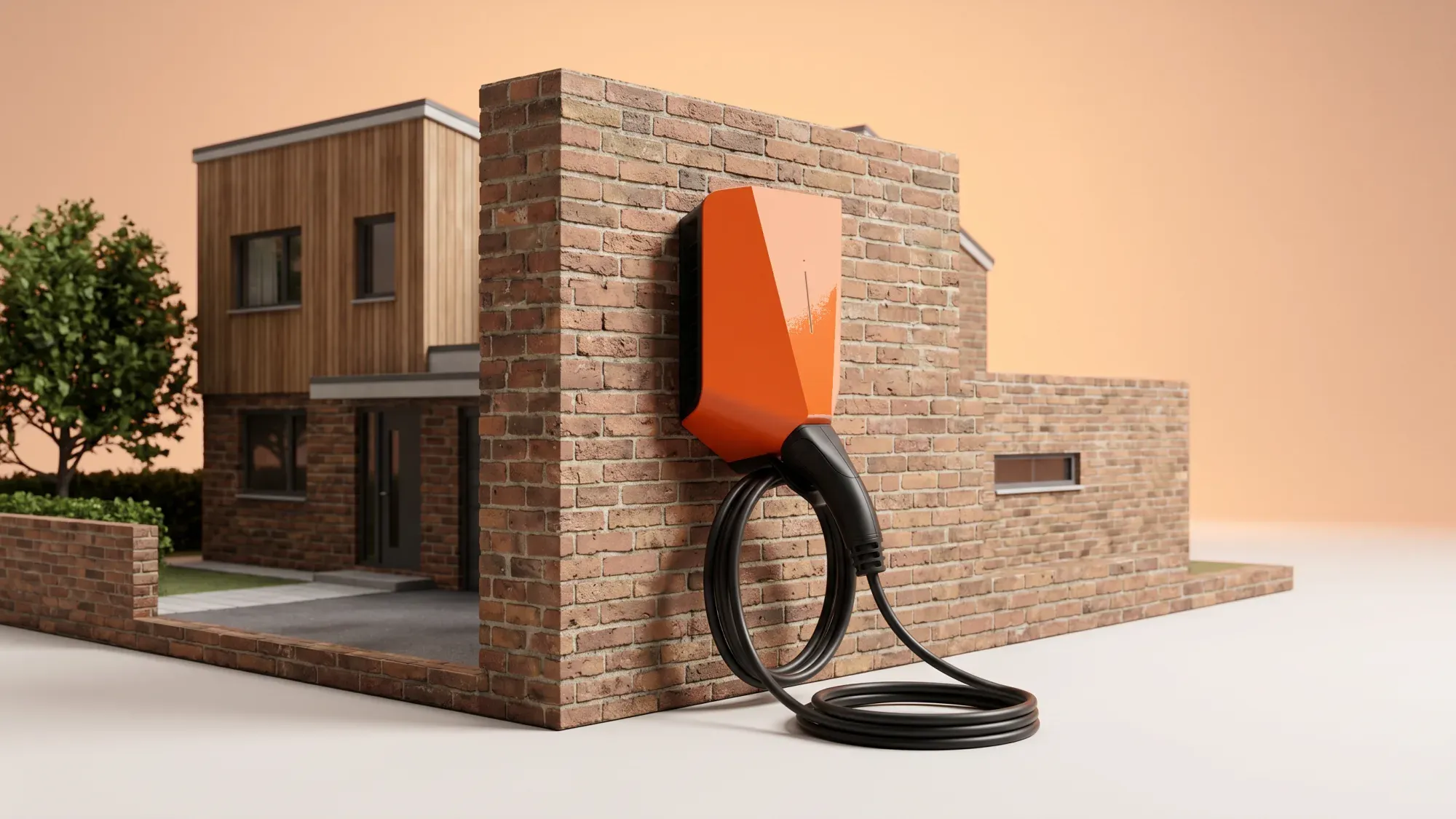
Solar compatible EV charger: smart charging for UK homes
Integrating an electric vehicle (EV) charger with your home solar panels allows you to power your EV with self-generated renewable energy, reducing reliance on grid electricity. This guide helps UK homeowners with solar panels understand how to select and optimise a solar-compatible EV charger for efficient, green charging.
Why choose a solar compatible EV charger?
Choosing a solar-compatible EV charger offers significant advantages for homeowners, transforming how you power your vehicle and manage your home's energy.
Harnessing your home's solar power
A solar-compatible EV charger enables you to directly use the electricity generated by your rooftop solar panels to charge your electric vehicle. This means less reliance on grid electricity, especially during peak demand times, and a greater sense of energy independence. Many smart EV chargers can enable 'solar-only' charging modes, prioritising self-generated electricity before drawing from the grid.
Reducing running costs and carbon footprint
By using your own solar energy, you can significantly reduce the running costs of your EV. Charging with free, self-generated electricity minimises your energy bills and lowers your overall carbon footprint, contributing to a more sustainable lifestyle.
Gaining energy independence and control
Maximising the use of solar energy for EV charging empowers you with greater control over your energy consumption. It aligns with a vision of having "power to play with", where abundant, clean energy allows you to make choices that benefit both your wallet and the planet.
How Solar EV charging works
Solar EV charging involves a seamless integration of your home's solar photovoltaic (PV) system with a smart charging unit, often managed by a home energy management system.
Integrating your solar PV system with your EV charger
A solar-compatible EV charger connects to your home's electrical system, which is already linked to your solar PV array. The charger typically uses a current transformer (CT) clamp to monitor your solar generation and household electricity consumption. This allows it to detect when there is surplus solar energy available that is not being used by your home appliances.
Understanding smart charging modes
Smart EV chargers come with various charging modes designed to optimise solar usage. Common modes include:
Eco/Solar-only mode: This mode prioritises using only the excess solar energy generated by your panels. The charger will pause or slow down if solar generation drops, ensuring no electricity is drawn from the grid.
Eco+ mode: Similar to Eco mode, but may allow a small amount of grid electricity if solar generation is slightly insufficient to maintain a minimum charging rate.
Fast/grid mode: The charger operates like a standard EV charger, drawing power from the grid to charge your vehicle as quickly as possible, regardless of solar generation.
Solar boost: Some chargers, like Ohme, offer a "Solar Boost" feature that uses excess solar power while also ensuring your car meets its charging target, supplementing with grid power if needed.
The role of your home energy management system
Your home energy management system (HEMS) or the charger's dedicated app plays a crucial role in orchestrating this process. It monitors solar production, home consumption, and battery storage (if applicable), allowing the EV charger to dynamically adjust its charging schedule. This ensures that your EV charges when solar generation is highest or when grid electricity prices are lowest, optimising self-consumption and cost savings.
Key features to look for in a Solar EV charger
When choosing a solar-compatible EV charger, several key features enhance efficiency, convenience, and overall value.
Dynamic load balancing and power optimisation
Dynamic load balancing prevents overloading your home's electrical supply by distributing power intelligently between your EV charger and other household appliances. This is especially important when charging an EV, which can draw significant power. Power optimisation ensures your EV charges efficiently without tripping your main fuse.
App control and smart scheduling
A user-friendly app allows you to monitor charging status, view energy consumption, and schedule charging sessions. Smart scheduling features enable you to set preferences for charging based on solar availability, electricity tariffs, or desired departure times.
Compatibility with smart tariffs and energy suppliers
Look for chargers that integrate seamlessly with smart tariffs offered by energy suppliers. These tariffs often provide cheaper electricity rates during off-peak hours, allowing you to further reduce charging costs by combining solar self-consumption with strategic grid charging.
Safety features and durability
Ensure the charger has robust safety features, including built-in PEN fault protection (eliminating the need for an earth rod in many cases), surge protection, and RCD (Residual Current Device) protection. Durability is also key, with weatherproof and impact-resistant designs suitable for outdoor installation.
Leading solar compatible EV chargers for UK homeowners
The UK market offers a variety of excellent solar-compatible EV chargers, each with distinct features.
Myenergi Zappi: the UK favourite
The Myenergi Zappi is a popular choice in the UK, known for its strong integration with solar PV systems. It features three charging modes - Eco, Eco+, and Fast - that allow you to prioritise charging from surplus solar or wind generation. The Zappi uses CT clamps to monitor solar power and home load, adapting its performance to save you money.
Hypervolt home Pro: advanced smart features
The Hypervolt Home Pro 3 is a top-tier EV charger that excels in solar integration and smart features. It offers several charging modes, including options to charge fully on sunshine or blend with grid power when needed. The Hypervolt app provides detailed energy tracking and cost visibility. Its solar charging modes include Super Eco (solar-only) and Eco (prioritises solar) .
Ohme home Pro: flexible charging options
The Ohme Home Pro is recognised for its advanced tariff integration and solar functionality. It offers "Solar Boost" and "Solar Only" modes, allowing you to choose how much solar energy to use. Ohme chargers are compatible with most smart EV tariffs, helping to optimise charging during off-peak hours.
Easee One: a compact and powerful choice
The Easee One is a compact and powerful EV charger. While it requires the addition of the Easee Equalizer accessory for solar compatibility, this enables dynamic load management and solar PV integration. Once the Equalizer is installed, the Easee One offers "Solar only" and "grid + Solar" charging modes through its app. Fuse Energy offers the Easee One EV charger, including installation, for a base cost of £899.
Installation and grant considerations for your EV charger
Proper installation and understanding grant eligibility are crucial steps in setting up your solar-compatible EV charger.
Professional installation requirements
All EV charger installations must comply with current electrical safety regulations and be carried out by a qualified and certified installer. This work is typically "notifiable" under Part P of the Building Regulations, meaning it must be completed by a registered electrician who can self-certify the installation.
Understanding OZEV chargepoint grant eligibility
The Office for Zero Emission Vehicles (OZEV) chargepoint grants have been extended until 31 March 2027, but eligibility is highly specific. A typical homeowner who owns and lives in a house with private off-street parking does not qualify for any current domestic OZEV chargepoint grant. These grants primarily target renters, flat owners, and households with on-street parking installing cross-pavement solutions. For domestic OZEV chargepoint grants, the customer applies for the grant themselves via GOV.UK; the installer's role begins only after the customer's application is approved.
Fuse Energy's Easee One installation service
Fuse Energy provides professional installation for the Easee One EV charger. This service ensures your charger is set up correctly and safely, integrating with your home's electrical system and solar setup.
Maximising your Solar EV charging benefits with Fuse Energy
Fuse Energy empowers UK homeowners with solar panels to maximise their self-generated energy for EV charging through smart tariffs, app integration, and expert Easee One charger installation.
Optimising charging with Fuse's smart tariffs
Fuse's app and smart tariffs integrate with solar-compatible EV chargers to optimise charging schedules. This means your EV can charge during periods of high solar generation or when grid electricity prices are lowest, ensuring you get the most out of your renewable energy and save on costs.
Seamless integration with the Fuse app
The Fuse app provides transparent control over your EV charging. It allows you to monitor your energy usage, set charging preferences, and track your savings, giving you greater capability and control over your home energy system.
Expert support for your home charging setup
Fuse Energy offers 24/7 human customer support, providing expert assistance for your Easee One EV charger installation and smart energy management. This ensures seamless integration with your solar setup and helps you make the most of your home charging experience.
Does the Easee One EV charger have built-in solar compatibility?
No, the Easee One EV charger does not have built-in solar integration. To enable solar charging and dynamic load balancing, you need to purchase and install the Easee Equalizer accessory separately. Once installed, the Easee Equalizer allows the charger to prioritise self-generated solar energy for your EV.
For the avoidance of doubt, this article is provided for informational purposes only and is not intended to constitute legal or financial advice. The author and/or Fuse Energy shall not be responsible for any losses arising out of any reliance on the information contained herein.