SMETS2 smart meter explained
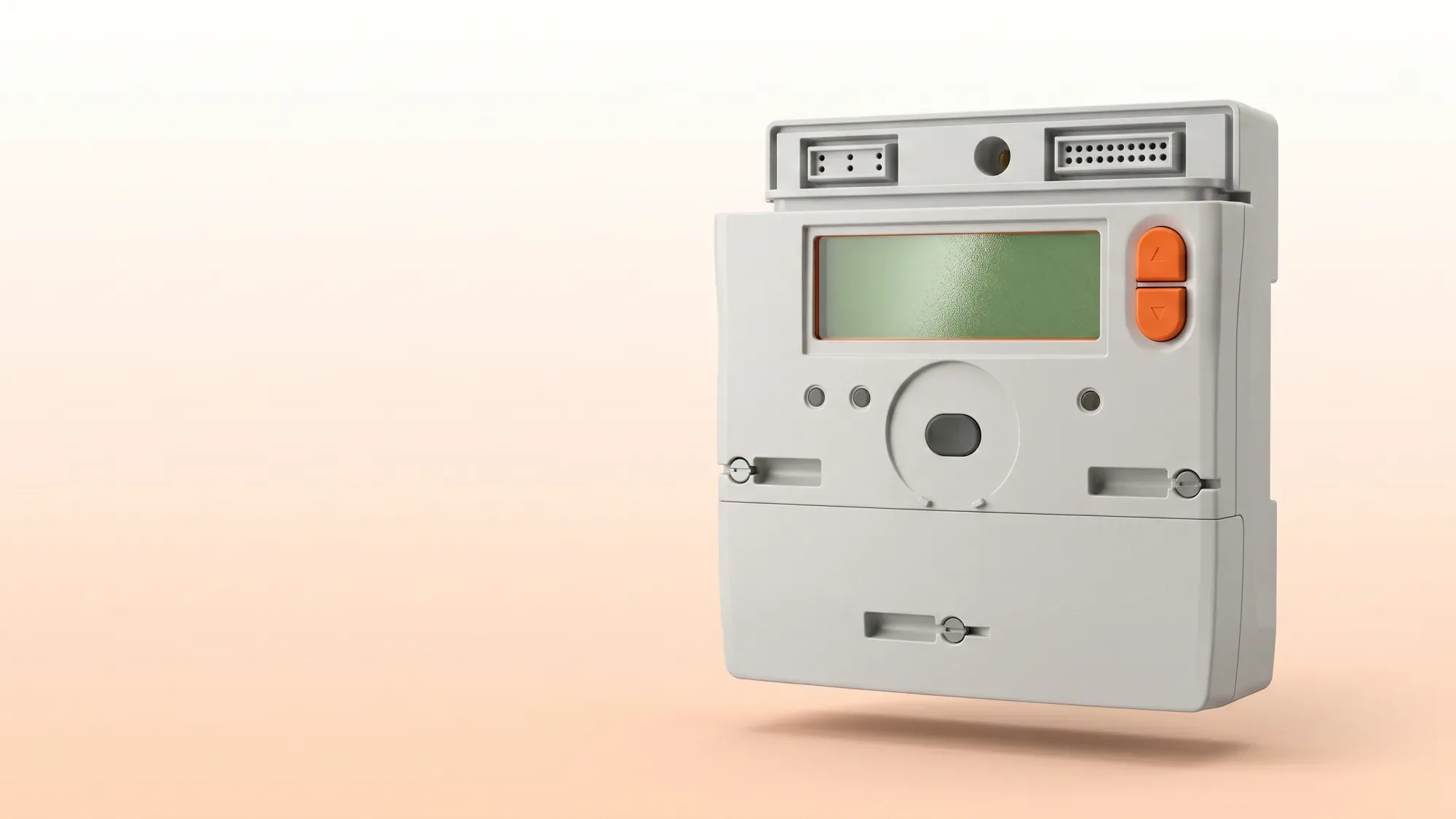
SMETS2 smart meters are the second generation of smart meters in Great Britain, designed to provide accurate, near real-time energy consumption data directly to your energy supplier. They are a key component of modernising the UK's energy grid, enabling precise billing and offering households better control over their energy use. These meters communicate via a secure national network, ensuring reliable data transfer and opening the door to smart tariffs.
Understanding SMETS2 meters is essential for making informed decisions about your energy supply and embracing a future where energy is managed smarter. If you're looking to upgrade your home with the latest energy technology, consider switching to Fuse Energy. Click here to get started.
Enter your address to get a quote and see how much you could save
What is a SMETS2 smart meter?
Defining the second generation
A SMETS2 smart meter is the latest iteration of smart metering technology rolled out across Great Britain. "SMETS" stands for "Smart Metering Equipment Technical Specifications", and the '2' indicates it is the second generation, improving upon earlier SMETS1 models. These meters are designed to be interoperable, meaning they should maintain smart functionality even if you switch energy suppliers.
Why SMETS2 matters for your home
SMETS2 meters offer a significant upgrade for managing your home's energy. They provide accurate consumption data, eliminating the need for manual meter readings and estimated bills. This precision helps you understand exactly how much energy you are using, when you are using it, and what it costs. Beyond billing, SMETS2 meters are foundational for accessing future energy services, such as smart tariffs that can offer cheaper electricity during off-peak hours.
Key benefits of a SMETS2 smart meter
Accurate billing and real-time data
One of the primary advantages of a SMETS2 smart meter is the end of estimated bills. Your meter automatically sends accurate readings to your energy supplier, ensuring you only pay for the energy you have actually used. This real-time data, often accessible via an in-home display (IHD) or energy app, gives you immediate insight into your energy consumption, helping you identify energy-hungry appliances or habits.
Unlocking smart tariffs
SMETS2 meters enable access to smart tariffs, which can offer variable pricing based on the time of day or grid demand. This means you could pay less for your electricity during off-peak hours, encouraging you to shift energy-intensive tasks like charging an electric vehicle or running a washing machine to cheaper times. This flexibility can lead to significant savings on your energy bills.
Enhanced energy management and control
With a SMETS2 meter, you gain a new level of control over your energy usage. The detailed consumption data allows you to monitor and adjust your habits, making informed decisions to reduce waste. This enhanced management capability is crucial for households looking to optimise their energy consumption and lower their environmental impact. You can learn more about how to make the most of your smart meter data in our guide to smart meter benefits.
SMETS1 vs SMETS2: understanding the differences
Connectivity and the DCC network
The main difference between SMETS1 and SMETS2 meters lies in their connectivity. SMETS2 meters communicate via the Data Communications Company (DCC) network, a secure and dedicated national infrastructure for smart meters. This centralised network ensures more reliable and secure data transfer compared to SMETS1 meters, which often relied on individual supplier networks. In fact, many SMETS1 meters have now been remotely migrated onto the same DCC network as SMETS2 meters.
Interoperability and switching suppliers
SMETS1 meters sometimes lost their smart functionality when customers switched suppliers, reverting to basic meters that required manual readings. SMETS2 meters, however, are designed for interoperability. This means your smart meter should continue to function seamlessly, sending automatic readings to your new supplier, even if you change providers.
Future-proofing your energy supply
By connecting to the DCC network, SMETS2 meters are future-proofed for evolving energy services. They are compatible with upcoming smart grid technologies and advanced tariffs, ensuring your home is ready for a more flexible and efficient energy system. This makes them a more robust and long-term solution for energy management. For more details on the network, see our explanation of the DCC network.
How SMETS2 smart meters work
The role of the communications hub
Every SMETS2 smart meter installation includes a communications hub, typically located with your electricity meter. This hub acts as the central point for data transmission, securely sending your energy usage information to the DCC network. For homes with both electricity and gas smart meters, the gas meter communicates with the electricity meter's hub, which then transmits both sets of data.
Data transmission and security
Your SMETS2 meter automatically sends energy consumption data to your supplier via the DCC network. This data is encrypted and secure, ensuring your privacy is protected. The DCC is regulated to ensure secure and reliable data transfer from smart meters to energy suppliers. This automated process means you no longer need to submit manual readings.
Your in-home display
Most SMETS2 installations come with an in-home display (IHD). This small device shows your energy usage in near real-time, often in pounds and pence. It helps you visualise your consumption, understand the cost, and identify opportunities to save energy. You can also monitor your usage through your energy supplier's app, such as the Fuse app, for more granular insights. Find out more about these devices in our guide to in-home displays.
Getting a SMETS2 smart meter
Eligibility and installation process
Most homes in Great Britain are eligible for a smart meter upgrade. Your energy supplier is responsible for arranging the installation. The process typically involves an engineer visiting your property to replace your existing meters with new SMETS2 smart meters. The installation is usually straightforward and takes a couple of hours.
Addressing legacy meters
The Radio Teleswitch Service (RTS) for legacy meters is being phased out, with the signal switched off from 30 June 2025. If you have an RTS meter, your current supplier will need to replace it with a smart meter to ensure your supply continues to be accurately measured and billed. This upgrade is typically free of charge.
Fuse Energy's smart meter upgrade
After you switch to Fuse Energy, you can request a free smart meter upgrade if you do not already have one. Installing a SMETS2 meter with Fuse is a move that shifts control into your hands by providing real-time data and access to smart tariffs via the Fuse app. This aligns with Fuse's vision of a future with "power to play with", enabling you to truly engage with and control your energy usage.
Common questions and troubleshooting
What if your smart meter goes offline?
Occasionally, a smart meter might go offline, meaning it temporarily stops sending automatic readings. This can happen due to network issues or other technical reasons. If your smart meter goes offline, your supplier will typically use estimated readings until communication is restored. You can usually contact your supplier's support team for assistance. Fuse Energy's 24/7 human customer support is available to assist with any SMETS2 meter queries or connectivity concerns.
What happens if my SMETS2 meter goes offline?
If your SMETS2 smart meter goes offline, it temporarily stops sending automatic readings to your supplier. Your energy supplier will then use estimated readings for billing until the connection is restored. You should contact your supplier's customer support for assistance, as they can help diagnose and resolve connectivity issues.
Data privacy and your SMETS2 meter
Concerns about data privacy are common with smart meters. Your energy consumption data is securely transmitted via the DCC network and is only shared with your energy supplier. Ofgem oversees the smart meter rollout and sets rules for suppliers regarding data privacy and consumer protection.
Support for your smart meter
If you have questions or encounter issues with your SMETS2 smart meter, your energy supplier is your first point of contact. They can provide guidance on using your in-home display, understanding your data, and troubleshooting connectivity problems. Fuse Energy integrates SMETS2 meter data seamlessly with its app, providing granular insights and empowering you to make informed energy decisions, backed by 24/7 human customer support.
Ready to take control of your energy? Fuse Energy makes managing your home's energy simple and transparent. With clear pricing, real-time usage data in the app, and 24/7 human support, you can understand and optimise your energy consumption like never before. Switch to Fuse Energy today and experience a modern approach to home energy. Click here to switch now.
Disclaimer
For the avoidance of doubt, this article is provided for informational purposes only and is not intended to constitute legal or financial advice. The author and/or Fuse Energy shall not be responsible for any losses arising out of any reliance on the information contained herein.