Smartphone thermostat: smart heating for your home
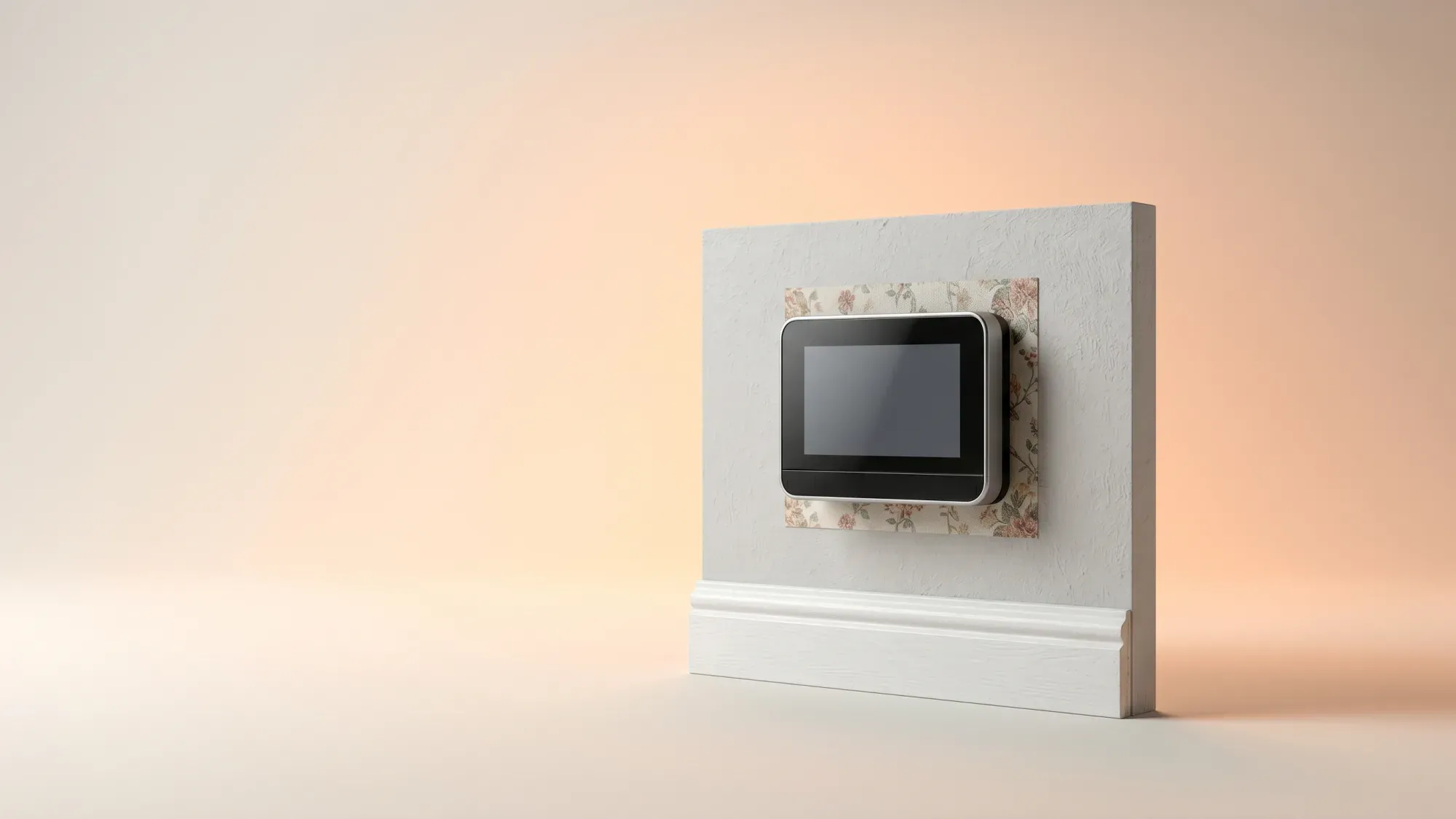
A smartphone thermostat offers precise control over your home's heating, helping you manage energy more effectively. Fuse Energy is committed to making energy management effortless, providing you with the tools and support to make informed decisions about your home's energy use.
A smartphone thermostat puts advanced control over your home heating directly into your hands, moving beyond basic manual or programmable timers. These devices connect to your home's heating system and Wi-Fi, allowing you to manage temperatures, schedules, and energy usage from anywhere via a mobile app. For UK homeowners, this technology offers a practical path to enhanced comfort, significant energy efficiency, and potential cost savings, transforming how you interact with your home's climate.
Enter your address to get a quote and see how much you could save
What is a smartphone thermostat?
A smartphone thermostat is a smart home device that replaces your traditional thermostat, providing remote control and intelligent automation for your heating system. Unlike older models that require manual adjustments or offer limited pre-set schedules, a smartphone thermostat integrates with your digital life, offering convenience and deeper insights into your energy consumption.
How smart thermostats work
At its core, a smart thermostat connects to your boiler and your home's internet network. This connection allows you to control your heating remotely through a dedicated app on your smartphone, tablet, or computer. Many models also feature sensors to detect occupancy, learn your routines, and adapt to local weather conditions, optimising your heating schedule automatically.
Key components of a smartphone thermostat
A typical smartphone thermostat system includes a main thermostat unit, often with a digital display, that replaces your existing wired or wireless thermostat. It also comes with a hub or bridge that connects to your home's Wi-Fi router, enabling internet connectivity. Some systems may include additional sensors for different rooms or smart thermostatic radiator valves (TRVs) for multi-zone control.
Benefits for UK homeowners
Smartphone thermostats offer several advantages for UK homeowners, from increased comfort to potential reductions in energy bills.
Enhanced control and convenience
The primary benefit is the ability to control your heating from anywhere. Whether you're on your way home, away on holiday, or simply in another room, you can adjust your home's temperature with a few taps on your phone. This means no more returning to a cold house or heating an empty one unnecessarily.
Potential for energy efficiency and savings
Smart thermostats can significantly improve your home's energy efficiency. By precisely controlling when and how your home is heated, they help reduce wasted energy. Research by BEAMA and Salford University suggests that upgrading to a smart thermostat can cut UK household annual heating bills by up to 12% when using energy-saving features and smart TRVs for tailored multi-room control. Other studies indicate potential reductions in heating and cooling energy use by 10-20%. Google's Nest estimates UK customers can save between 8.4% and 16.5% of their heating's energy use, while Tado suggests savings of up to 31%. The Energy Saving Trust also reports potential savings of up to £75 a year.
How much energy does the average UK home use?
The average UK home uses around 2,500 kilowatt-hours (kWh) of electricity and 9,500 kWh of gas per year. These figures, set by Ofgem, act as a benchmark for typical domestic consumption, helping homeowners understand their energy usage patterns.
Smart features for modern living
Beyond basic scheduling, many smartphone thermostats offer advanced features like geofencing, which uses your phone's location to know when you're home or away, adjusting the heating automatically. Learning algorithms can also observe your habits over time and create an optimised heating schedule without manual input.
Features to look for in a smart thermostat
Choosing the right smartphone thermostat involves considering several key features that align with your home and lifestyle.
Compatibility with heating systems
Ensure the smart thermostat is compatible with your existing boiler and heating system. Most modern smart thermostats work with combi boilers, conventional boilers, and even underfloor heating systems, but it's crucial to check the specifications. Some systems require a wired connection, while others operate wirelessly.
Geofencing and learning capabilities
Geofencing automatically adjusts your heating based on your proximity to home, saving energy when you're out and ensuring comfort upon your return. Learning thermostats observe your preferred temperatures and daily routines, then create an efficient schedule tailored to your household's needs. These features can significantly enhance convenience and energy savings.
Multi-zone control and scheduling
For larger homes or those with varying heating needs across different areas, multi-zone control is invaluable. This allows you to set different temperatures for individual rooms or zones, preventing you from overheating unused spaces. Advanced scheduling features offer granular control over heating times and temperatures throughout the day and week.
Integration with smart home ecosystems
Consider how the thermostat integrates with other smart home devices you own or plan to acquire. Many popular models work with voice assistants like Amazon Alexa or Google Assistant, and can be part of a broader smart home ecosystem, allowing for centralised control and automation of various devices.
Compatibility and installation considerations
Before purchasing a smartphone thermostat, it's important to assess your home's setup and consider the installation process.
Boiler type compatibility
The type of boiler you have is a critical factor. Most smart thermostats are designed to work with common UK boiler types, including combi boilers, system boilers, and heat-only boilers. Always verify compatibility with the manufacturer's specifications to avoid issues. Some older or less common systems might require specific adaptors or professional assessment.
Professional vs DIY installation
Some smartphone thermostats are designed for relatively straightforward DIY installation, particularly if you're replacing an existing wired thermostat. However, if your wiring is complex, you're installing a completely new system, or you're unsure about electrical work, professional installation is recommended. Many manufacturers offer installation services or recommend certified installers.
Wiring and power requirements
Smart thermostats typically require a power source, either through existing thermostat wiring (C-wire) or batteries. If your current thermostat doesn't have a C-wire, you might need an adaptor or a model that runs on batteries, though battery-powered options may have fewer features or shorter battery life.
Choosing the right smartphone thermostat for your home
Selecting the ideal smartphone thermostat involves balancing features, cost, and your specific heating needs.
Top smart thermostat brands in the UK
Popular brands in the UK market include Hive, Nest (Google), and Tado. Each offers a range of features, design aesthetics, and integration options. Hive is known for its user-friendly interface and integration with British Gas services. Nest thermostats are recognised for their learning capabilities and sleek design. Tado focuses on geofencing and multi-zone control with smart TRVs.
Factors influencing your decision
Consider your budget, the complexity of your heating system, and how much control you desire. If you have a simple system and want basic remote control, a more affordable model might suffice. For advanced features like multi-zone heating and comprehensive energy reports, investing in a more sophisticated system could be beneficial.
Understanding costs and return on investment
The cost of a smartphone thermostat can range from around £100 to over £300, excluding installation. While there's an upfront investment, the potential for energy savings can lead to a quick payback period, often within one to three years. After this, the savings continue, making it a worthwhile long-term investment for many homeowners.
Integrating your smart thermostat with your energy supplier
A smartphone thermostat can be a key part of a broader energy management strategy, especially when linked with your energy supplier's tools and services.
The role of smart meters
Smart meters provide accurate, real-time data on your energy consumption, which complements the insights from your smartphone thermostat. Together, they offer a comprehensive view of your household's energy use, helping you identify patterns and areas for further savings.
Leveraging your energy app for holistic management
Many energy suppliers, including Fuse Energy, offer apps that allow you to monitor your energy usage, manage your account, and understand your bills. Integrating your smart thermostat data with your energy app can provide a holistic approach to managing your home's energy. This allows you to see the direct impact of your thermostat adjustments on your overall consumption, empowering you to make informed decisions and optimise your energy usage without compromising comfort. Fuse Energy also provides 24/7 human customer support to help you confidently integrate smart home technology into your energy management strategy.
Embracing a smarter heating future
Smartphone thermostats offer UK homeowners a powerful tool for effortless energy management and enhanced control over their home heating. By embracing this technology, you can enjoy greater comfort, improve energy efficiency, and potentially reduce your energy bills. Fuse Energy encourages customers to adopt smart technology to optimise energy usage without sacrificing comfort, aligning with a vision of abundant energy and personalised control.
[CTA_PRIMARY]
Disclaimer
For the avoidance of doubt, this article is provided for informational purposes only and is not intended to constitute legal or financial advice. The author and/or Fuse Energy shall not be responsible for any losses arising out of any reliance on the information contained herein.