Seasonal performance Factor: heat pump efficiency
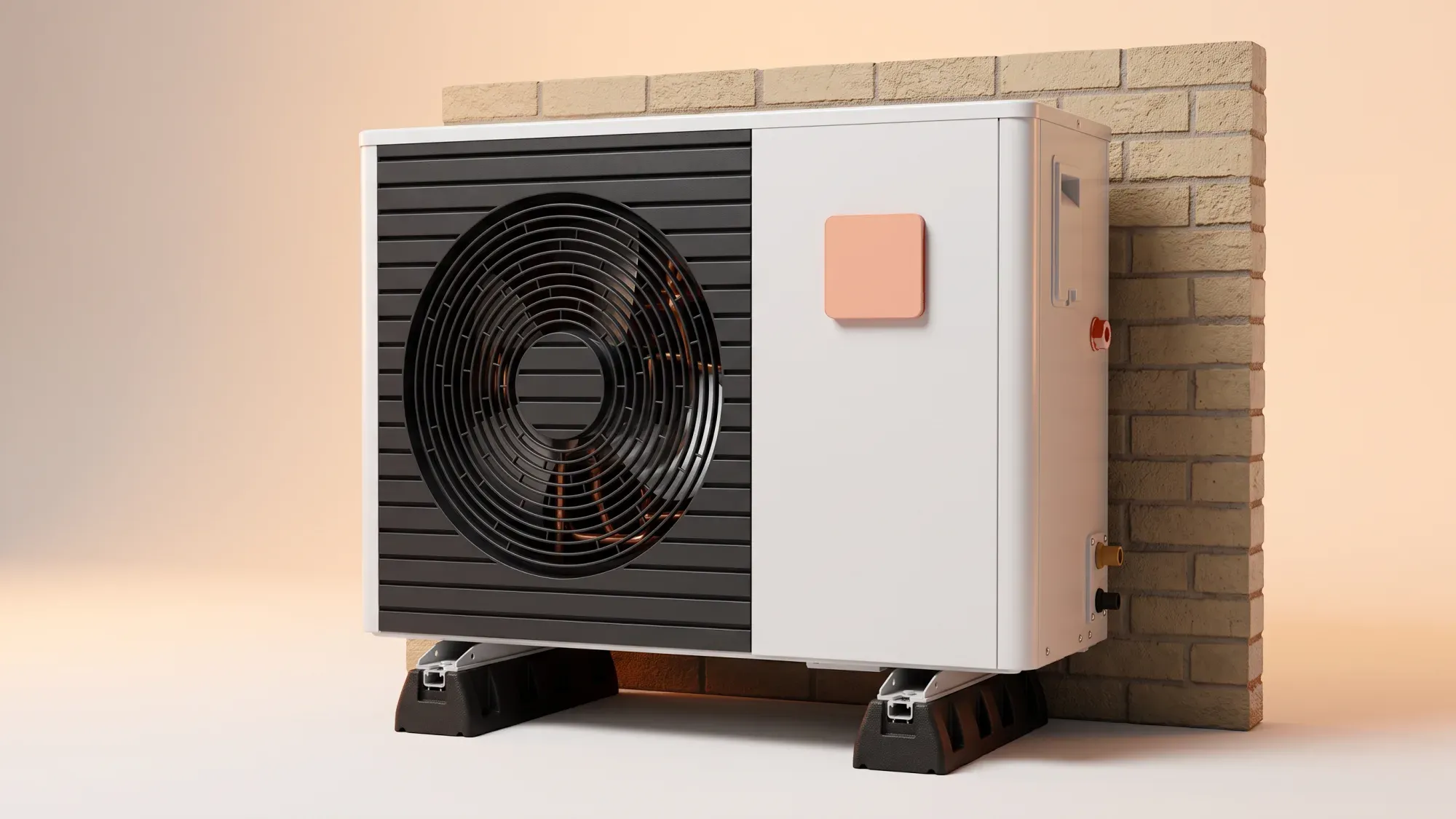
Understanding your heat pump's Seasonal Performance Factor (SPF) is key to unlocking long-term energy savings and gaining control over your home heating costs. It moves beyond simple efficiency ratings to show how your heat pump truly performs in the varied UK climate, directly impacting your energy bills.
What is seasonal performance Factor (SPF)?
SPF measures a heat pump's real-world efficiency over an entire heating season, accounting for varying temperatures and operational modes. It is a crucial metric for accurately predicting a heat pump's long-term running costs and energy savings, providing a comprehensive average rather than a snapshot. SPF is calculated by dividing the total heat energy delivered by the heat pump by the total electrical energy consumed over a heating season.
Beyond COP: real-world heat pump efficiency
Unlike Coefficient of Performance (COP), which offers a snapshot of efficiency at a specific moment under ideal conditions, SPF provides a more comprehensive picture of a heat pump's performance in actual operation. COP measures efficiency at a single point, typically at a specific outdoor temperature like 7°C. SPF, however, reflects measured performance in an installed system, taking into account real climate conditions, installation quality, and user behaviour.
Why SPF matters for UK homeowners
For UK homeowners, SPF is particularly relevant because it accounts for the often unpredictable and varied weather conditions experienced throughout the heating season. A heat pump's efficiency can fluctuate significantly between mild autumn days and colder winter months. By understanding SPF, you get a realistic view of how much heat your system will produce for every unit of electricity it consumes over a full year, directly translating to how much you will pay to keep your home warm.
SPF vs SCOP: understanding the differences
While SPF offers a real-world measurement, other metrics are used to describe heat pump efficiency. It is important to distinguish between them to make informed decisions.
Coefficient of performance (COP) explained
The Coefficient of Performance (COP) is a basic measure of a heating or cooling system's efficiency at a single point or under specific conditions. It is the ratio of useful heating or cooling provided to the energy consumed at that specific moment. For example, a COP of 3 means that for every unit of energy consumed, three units of heat are produced. While useful for comparing systems under laboratory conditions, COP does not reflect real-world seasonal variations.
Seasonal Coefficient of performance (SCOP)
SCOP (Seasonal Coefficient of Performance) is the European standard for seasonal efficiency. Similar to SPF, it provides an average efficiency rating for a system across a range of temperatures and operational conditions typical of a full season. However, SCOP is a calculated seasonal efficiency based on standardised test conditions and climate assumptions, whereas SPF is measured from actual system data in real operation.
What is the difference between SPF and SCOP?
SPF is a measured efficiency metric that reflects a heat pump's real-world performance over a heating season, considering actual climate, installation, and user behaviour. SCOP (Seasonal Coefficient of Performance) is a calculated, standardised efficiency metric based on laboratory tests and specific climate conditions, providing a theoretical seasonal average.
Why the distinction matters for your heat pump
The distinction between SPF and SCOP is crucial for UK homeowners. While SCOP provides a good baseline for comparing different heat pump models under controlled conditions, SPF offers the true picture of how your specific installation will perform in your home and local climate. A high SCOP is a good indicator, but factors like system design, installation quality, and how you use your heat pump will ultimately determine its actual SPF and, consequently, your running costs.
What is a good seasonal performance Factor for a heat pump?
Knowing what constitutes a 'good' SPF helps you assess your heat pump's performance and identify areas for improvement.
Typical SPF ranges in the UK
A good SPF for a heat pump in the UK is generally considered to be around 2.5 to 3.5 or higher. For many air source heat pumps, an SPF of 2.8 to 3.5 is often seen in well-designed systems, while ground source heat pumps can achieve SPF values of 3.2 to 4.0 or higher. Some ground source heat pump installations have even achieved SPF values over 5 when linked to a solar-assisted thermal bank. The EU Renewable Energy Directive considers heat pumps to provide renewable energy if their SPF is 2.5 or greater.
Factors influencing ideal SPF
The ideal SPF for your heat pump depends on several factors, including the type of heat pump (air source vs ground source), the specific model, the size and insulation of your home, and your heating habits. A well-insulated home with a correctly sized and installed heat pump will naturally achieve a higher SPF. Lower flow temperatures in your heating system also significantly improve efficiency.
How to interpret manufacturer's SPF claims
While manufacturers provide SCOP ratings, these are based on laboratory conditions. Your real-world SPF may differ. It is important to understand that these figures are a guide, and actual performance will vary. When comparing models, look for higher SCOP values as a starting point, but remember that proper installation and system optimisation are vital for achieving a good SPF in your home.
Factors influencing your heat pump's SPF
Several elements combine to determine your heat pump's real-world efficiency. Understanding these can help you maximise its performance.
Outdoor temperature and UK climate
Heat pumps extract heat from the outside air or ground. As outdoor temperatures drop, the heat pump has to work harder to extract heat, which can reduce its efficiency. The fluctuating temperatures of the UK climate mean that a heat pump's performance will naturally vary throughout the year. SPF accounts for these seasonal changes, providing a more accurate average than a single COP figure.
System design and installation quality
The quality of your heat pump's design and installation is paramount to achieving a high SPF. An undersized or oversized system will operate inefficiently. Proper pipework, correct refrigerant levels, and accurate commissioning by a qualified installer ensure the system runs as intended. Poor installation can significantly reduce efficiency, leading to higher running costs.
Home insulation and heat loss
Your home's insulation plays a critical role in how efficiently your heat pump operates. A well-insulated home retains heat more effectively, reducing the demand on the heat pump. This allows the system to run at lower flow temperatures, which directly improves its SPF. Conversely, a poorly insulated home will experience greater heat loss, forcing the heat pump to work harder and consume more electricity to maintain comfort.
User behaviour and control settings
How you use and control your heat pump also impacts its SPF. Setting appropriate temperatures, using smart controls to optimise heating schedules, and avoiding frequent, drastic temperature changes can all contribute to better efficiency. Running your heat pump continuously at a lower temperature, rather than switching it on and off for short bursts, often leads to a more stable and efficient operation.
How SPF impacts your energy bills and savings
A high SPF directly translates to lower energy bills and greater long-term savings, giving you more control over your home energy.
Calculating potential running costs
The SPF allows you to estimate your heat pump's running costs more accurately. For example, if your heat pump has an SPF of 3.0, it means for every 1 kWh of electricity consumed, it delivers 3 kWh of heat. Knowing your home's heat demand and the SPF, you can calculate the electricity needed. The average UK home uses around 2,500 kWh of electricity per year, effective from 1 July 2026.1 Understanding your heat pump's SPF helps you forecast how much of that electricity will be used for heating.
Long-term savings with high SPF
A higher SPF means your heat pump is more efficient, requiring less electricity to produce the same amount of heat. This directly reduces your energy bills over the long term. Even a small improvement in SPF can lead to significant savings over the lifespan of your heat pump, making it a powerful tool for managing household expenses.
The link between efficiency and 'power to play with'
Understanding your heat pump's SPF empowers you to make informed decisions about your home energy. It is a power play: by demystifying this crucial metric, you gain the capability to optimise your home heating, shifting the balance of power in your energy choices. Instead of simply trying to "use less," you learn how to optimise more - more efficiency, more savings, and more comfort. This aligns with a vision of having "power to play with," where energy abundance allows for greater control and a more comfortable home life.
Improving your heat pump's seasonal performance Factor
There are practical steps you can take to enhance your heat pump's SPF and ensure it operates at peak efficiency.
Optimising system settings and controls
Fine-tuning your heat pump's settings can significantly improve its SPF. This includes setting the flow temperature as low as possible while still achieving comfort, optimising heating schedules to match your lifestyle, and ensuring your thermostat is accurately calibrated. Smart controls can help automate these adjustments, learning your preferences and adapting to changing conditions.
Ensuring proper maintenance and servicing
Regular maintenance is crucial for sustaining a high SPF. This includes annual servicing by a qualified engineer to check components, clean filters, and ensure the system is running efficiently. Neglecting maintenance can lead to a gradual decline in performance and increased energy consumption.
Upgrading home insulation and draught-proofing
Improving your home's thermal envelope is one of the most effective ways to boost your heat pump's SPF. Enhanced insulation in walls, lofts, and floors, along with effective draught-proofing, reduces heat loss. This lessens the workload on your heat pump, allowing it to operate more efficiently and at lower temperatures, directly improving its SPF.
Smart controls and energy management
Integrating smart controls and energy management systems can help you monitor and optimise your heat pump's performance. While these systems do not directly calculate SPF, they provide transparent data on energy usage, helping you understand your real-world efficiency and make adjustments to improve it. This level of insight allows you to proactively manage your heating and maximise savings.
Understanding your heat pump's performance is just one step towards a more efficient home. Fuse Energy is committed to providing clear pricing, real-time usage data, and 24/7 human customer support to help you take control of your energy. Our aim is to make energy simple and abundant, so you can focus on what matters most.
References
Disclaimer
For the avoidance of doubt, this article is provided for informational purposes only and is not intended to constitute legal or financial advice. The author and/or Fuse Energy shall not be responsible for any losses arising out of any reliance on the information contained herein.