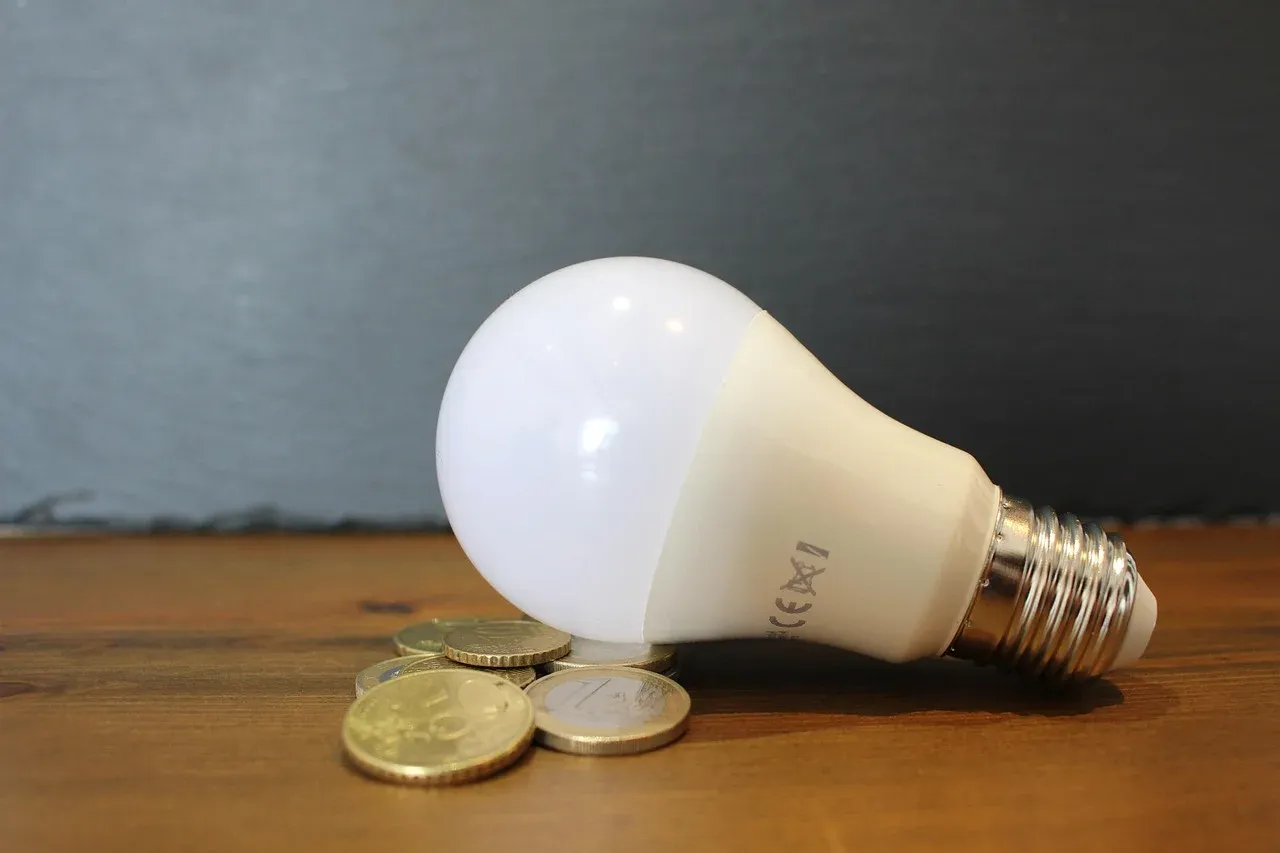
Rising energy bills can make managing your household budget more difficult. This guide explains why energy costs are increasing, how to help reduce your bills, and how to take more control of your energy usage.
Take the stress out of managing your energy. With Fuse Energy, you get clear pricing, real-time usage data, 24/7 human customer support, and a modern energy experience designed around you. Switching takes as little as 3 minutes, so you can take control of your bills from day one. Click here to switch to Fuse Energy today and start saving.
A quick checklist for managing rising energy bills
- Understand how the energy price cap affects your tariff rates.
- Monitor your energy usage regularly.
- Get a smart meter installed to help avoid estimated bills.
- Compare tariffs to find the right deal for you.
- Reduce unnecessary energy usage.
Energy bills in the UK are influenced by global energy prices, supply and demand, and government regulations. The Ofgem energy price cap limits how much suppliers can charge per kilowatt-hour (kWh) of energy used and per day, but your total bill still depends on how much energy you use.
Your energy bill includes the unit rate and the standing charge. The unit rate is what you pay for each kWh of energy used, while the standing charge is a daily cost we pay to network operators and other providers to keep your supply running, regardless of usage. At Fuse Energy, these costs are quoted inclusive of VAT at 5%.
Reducing your energy bills starts with understanding your usage. Simple changes like lowering heating, improving insulation, and turning off unused appliances can make a noticeable difference. Monitoring your usage helps identify where savings can be made.
Smart meters should provide real-time data on your energy usage when connected, helping you understand when and how you use energy. This allows you to make better decisions and avoid relying on estimated bills. With Fuse Energy, you can view half-hourly usage data in our app. To learn more about half-hourly readings, check out this blog.
Comparing energy prices helps ensure you are on a competitive tariff. Looking at the full cost, including standing charges and flexibility, can help you avoid paying more than necessary.
If you are struggling with your bills, support may be available. Government schemes such as the Warm Home Discount and other local council assistance programmes can help eligible households manage costs.
Many households pay more than necessary due to avoidable mistakes. Not monitoring usage, ignoring cheaper tariff options, or relying on estimated bills can increase costs. Taking simple steps early can help avoid these issues.
Managing your energy bills should be clear and easy to understand. Fuse Energy focuses on straightforward pricing, so you can see exactly what you're paying without unnecessary complexity. If you have a smart meter, you can view detailed usage data through our user-friendly app or website, helping you understand how you can lower your bills. This can make it easier to track spending and make informed decisions about your energy use. Our 24/7 human support team is always on hand with fast response times of under 5 minutes whenever you need help. Click here to switch to Fuse Energy in as little as 3 minutes and find out about our mission by clicking here.