Replace boiler with heat pump
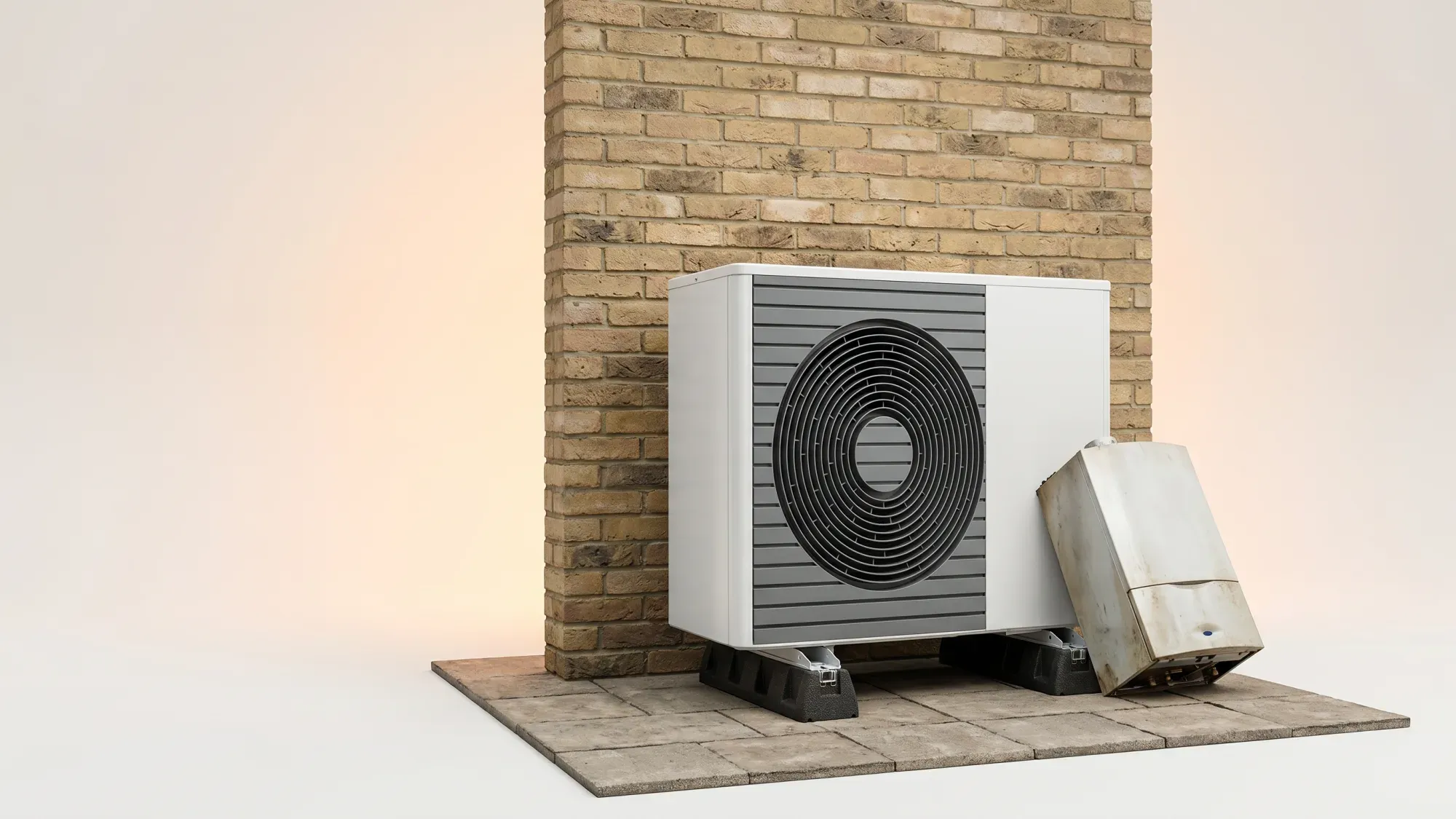
Replacing a traditional gas boiler with a heat pump is a significant step towards a more energy-efficient and environmentally friendly home. This guide explores the feasibility, costs, benefits, and process for UK homeowners considering the switch.
Understanding heat pumps as boiler replacements
Heat pumps offer a modern alternative to conventional heating systems by moving heat rather than generating it through combustion.
What is a heat pump and how does it work?
A heat pump works by extracting heat from one place and transferring it to another. Air source heat pumps, common in the UK, draw heat from the outside air, even in cold temperatures, and use it to warm your home and hot water. Ground source heat pumps, conversely, extract heat from the ground. This process is highly efficient because the system only moves existing heat, rather than creating it.
How efficient are air source heat pumps?
Air source heat pumps can achieve efficiencies of 300% or more, meaning they produce at least 3 kWh of heat for every 1 kWh of electricity consumed. This high efficiency makes them a cost-effective and environmentally friendly heating solution.
Types of heat pumps suitable for UK homes
For most UK homes, the primary options are air source heat pumps (ASHP) and ground source heat pumps (GSHP). ASHPs are generally easier and less disruptive to install as they only require an outdoor unit, similar to an air conditioning unit. GSHPs involve burying pipes in the garden or drilling boreholes, making them more complex and costly to install, but often more efficient due to stable ground temperatures.
Key differences: heat pump vs gas boiler
The fundamental difference lies in how they produce heat. Gas boilers burn fossil fuels to generate heat, typically operating at higher flow temperatures and providing heat on demand. Heat pumps, by contrast, transfer heat, operating at lower flow temperatures over longer periods to maintain a consistent warmth. This continuous, lower-temperature heating can feel different from a boiler's intermittent high-temperature output. Environmentally, heat pumps produce significantly fewer carbon emissions, especially when powered by renewable electricity.
Benefits of switching to a heat pump
Making the move to a heat pump brings several advantages, from environmental impact to long-term financial gains and improved home comfort.
Environmental advantages
Heat pumps drastically reduce your home's carbon footprint. By moving heat rather than burning fossil fuels, they contribute less to greenhouse gas emissions. As the UK's electricity grid becomes increasingly decarbonised, the environmental benefits of heat pumps will continue to grow, supporting the wider transition to low-carbon heating.
Long-term cost savings
While the upfront cost can be higher, heat pumps can lead to substantial long-term savings on energy bills. Their high efficiency means they use less energy to produce the same amount of heat compared to a gas boiler. These savings are particularly noticeable when paired with smart energy tariffs that allow you to heat your home when electricity is cheapest.
Increased home comfort and value
Heat pumps provide a consistent, ambient warmth throughout your home, avoiding the hot and cold cycles often associated with traditional boilers. This steady heating can lead to greater comfort. Additionally, installing a low-carbon heating system can increase your property's energy efficiency rating and potentially its market value.
Key considerations before installation
Before committing to a heat pump, it's essential to assess your home's suitability to ensure optimal performance and cost-effectiveness.
Assessing your home's suitability
A thorough assessment of your property is crucial. Factors such as your home's age, construction, and existing heating system will influence the type and size of heat pump required. An MCS-certified installer will conduct a heat loss survey to determine the best solution for your property.
Insulation and heat loss
Effective insulation is paramount for a heat pump to operate efficiently. Heat pumps work best in well-insulated homes where heat loss is minimised. Upgrading insulation in walls, lofts, and floors before installation can significantly improve the system's performance and reduce running costs.
Radiator sizing and hot water requirements
Heat pumps typically operate at lower flow temperatures than gas boilers, meaning existing radiators might need to be upgraded to larger sizes to adequately heat rooms. Your hot water system will also need to be considered, often requiring a well-insulated hot water cylinder to store heated water efficiently.
The Boiler Upgrade Scheme and other financial support
The UK government offers financial incentives to encourage homeowners in England and Wales to switch to low-carbon heating systems.
How the BUS grant works
The Boiler Upgrade Scheme (BUS) provides upfront capital grants to help property owners replace fossil fuel heating systems with more efficient, low-carbon alternatives. For air source and ground source heat pump installations, the standard grant is £7,500 in England and Wales. Since 21 July 2026, eligible homes in England and Wales that rely on heating oil or LPG can claim an uplifted grant of £9,000 for air source or ground source heat pumps, an increase of £1,500.
Eligibility criteria
To be eligible for the BUS grant, your property must be in England or Wales, owned by you (including second homes or rented properties), and currently use a fossil fuel heating system (such as oil, gas, or LPG) or an electric heating system without a heat pump. New-build homes and social housing are generally not eligible, though self-build properties can be under certain conditions. Your property must also have a valid Energy Performance Certificate (EPC).
What is an MCS-certified installer?
An MCS-certified installer has met industry standards for renewable energy installations, ensuring quality and eligibility for government grants like the BUS. This certification is crucial for homeowners seeking financial support for their heat pump installation.
Finding an MCS-certified installer
Heat pump installations must be carried out by an MCS-certified installer to be eligible for the BUS grant. MCS (Microgeneration Certification Scheme) certification ensures that installers meet rigorous standards for technical competence, quality of workmanship, and safety. You can find MCS-certified installers through the MCS website or the GOV.UK service. It's advisable to obtain multiple quotes to compare options and ensure the best value.
The heat pump installation process
Once you've decided to switch, understanding the installation journey can help you prepare.
From quote to commissioning
The process typically begins with a detailed home survey and heat loss calculation by your chosen MCS-certified installer. They will provide a quote, which should reflect the BUS grant deduction. The installer then applies for the BUS grant on your behalf; you will confirm your consent to Ofgem. Once approved, the installation can proceed.
What to expect during installation
Installation usually takes between two to three days. This involves fitting the outdoor heat pump unit, connecting it to your indoor heating system, installing a hot water cylinder if needed, and making any necessary adjustments to pipework or radiators. The installer will then commission the system, ensuring it operates correctly and efficiently.
Decommissioning your old boiler
As part of the installation, your old gas boiler will be safely decommissioned and removed. Your installer will handle this process, ensuring all regulations are met for the safe disposal of the old system.
Optimising your heat pump's running costs
Installing a heat pump is just the first step; optimising its operation is key to maximising savings and efficiency.
The role of smart tariffs
Heat pumps run on electricity, and electricity prices can fluctuate throughout the day. Smart energy tariffs are designed to offer cheaper rates during off-peak hours. By using a smart tariff, you can program your heat pump to run when electricity is less expensive, significantly reducing your running costs. Understanding different energy tariffs can help you make informed choices.
Using your heat pump efficiently
To get the most out of your heat pump, it's best to run it consistently at a lower temperature rather than turning it on and off like a traditional boiler. This allows the system to maintain a stable indoor temperature more efficiently. Regular servicing and ensuring your home's insulation remains effective will also contribute to optimal performance.
Monitoring performance with an energy app
An energy app can provide valuable insights into your heat pump's performance and energy consumption. Features often include real-time monitoring of energy usage, scheduling options to align with smart tariffs, and historical data to track savings. This transparency allows you to fine-tune your settings and ensure your heat pump is operating as cost-effectively as possible. Many homeowners also find a smart meter installation helpful for tracking usage.
Heat pump vs gas boiler: a cost comparison
Understanding the financial implications involves looking beyond just the purchase price.
Upfront costs vs running costs
The upfront cost of installing an air source heat pump in the UK typically ranges from £7,000 to £15,000 before grants. After the £7,500 BUS grant, many homeowners pay from £0 to £7,500+. This is generally higher than a new gas boiler installation, which might cost around £2,500 to £4,000.
However, the running costs tell a different story. Heat pumps are highly efficient, producing 3 kWh or more of heat for every 1 kWh of electricity used. For comparison, the average UK home uses around 2,500 kWh of electricity and 9,500 kWh of gas per year1. While electricity is typically more expensive per unit than gas, the heat pump's superior efficiency can lead to lower overall heating bills, especially when combined with smart tariffs.
Long-term financial outlook
Over the lifespan of a heat pump, which can be 15-20 years or more, the initial investment can be recouped through lower energy bills. As the UK moves towards net zero, the cost of carbon-intensive heating is likely to rise, further enhancing the long-term financial benefits of a heat pump.
Factors influencing your savings
Your actual savings will depend on several factors:
- Property insulation: A well-insulated home will retain heat better, reducing the heat pump's workload.
- Radiator sizing: Correctly sized radiators ensure efficient heat distribution.
- Energy tariffs: Opting for smart tariffs with off-peak rates can significantly cut running costs.
- Usage habits: Running your heat pump consistently at a lower temperature is more efficient than cycling it on and off.
Fuse Energy does not offer heat pump installation services, nor does it apply for BUS grants on behalf of customers. However, once your heat pump is installed, Fuse's smart tariffs and app features help you maximise its efficiency and cost savings.
References
Disclaimer
For the avoidance of doubt, this article is provided for informational purposes only and is not intended to constitute legal or financial advice. The author and/or Fuse Energy shall not be responsible for any losses arising out of any reliance on the information contained herein.