Combi boiler replacement costs and benefits
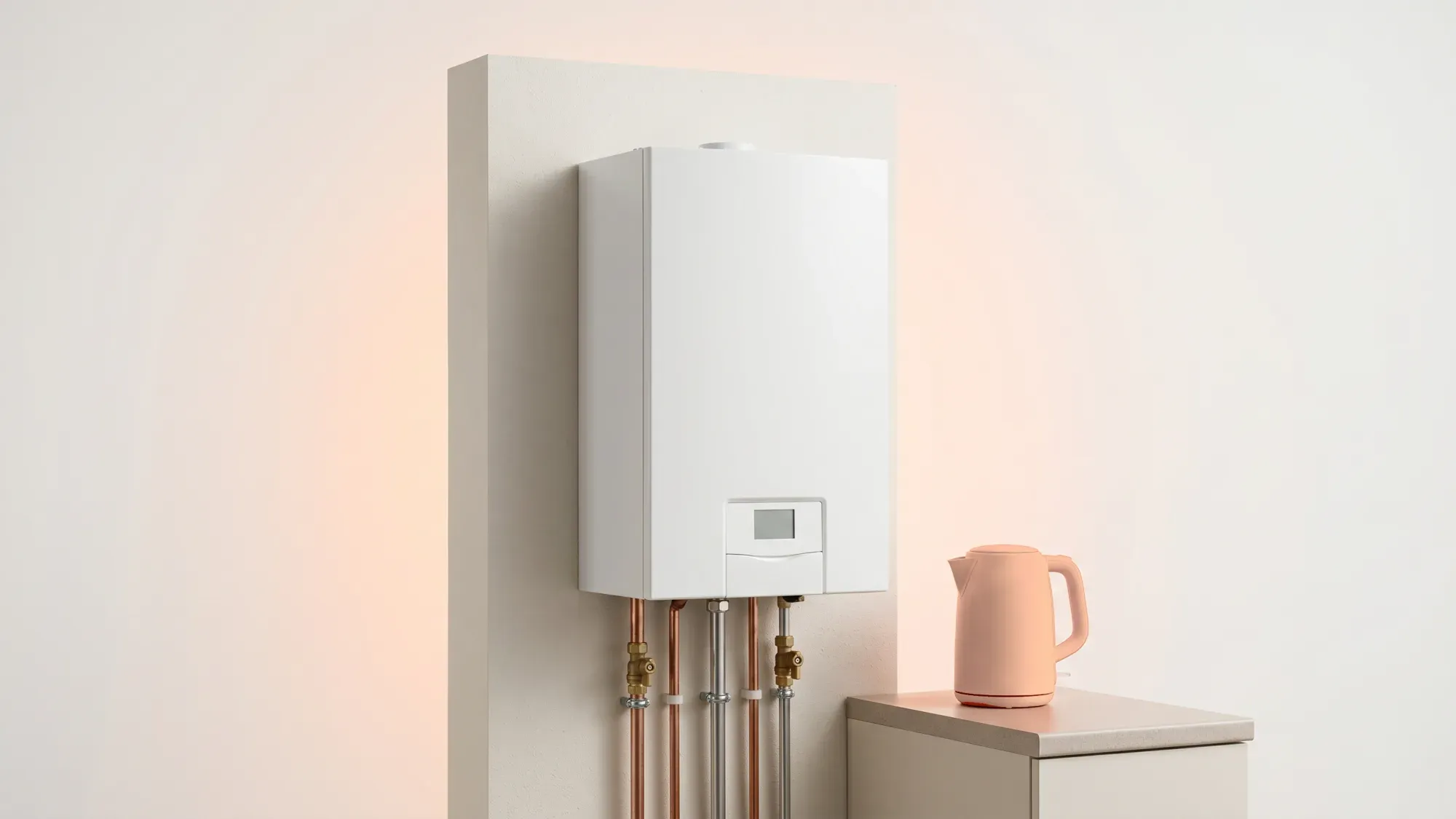
Upgrading your home's heating system to a modern combi boiler can significantly improve efficiency, free up space, and give you greater control over your home energy. This guide details everything homeowners need to know about replacing an old boiler with a combi boiler, from how they work to installation and ongoing maintenance.
Understanding combi boilers: the modern heating solution
Combi boilers have become a popular choice in UK homes, fundamentally changing how properties are heated and hot water is supplied.
What is a combi boiler?
A combi boiler, short for "combination" boiler, is a single, compact unit that provides both central heating and instant hot water on demand. Unlike traditional systems, it eliminates the need for separate hot water cylinders or cold water storage tanks, making it an ideal solution for homeowners looking to save space.
How do combi boilers work?
Combi boilers heat water directly from the mains supply whenever a hot tap is turned on, ensuring a continuous supply of hot water without any waiting time or the need to store it. This on-demand heating method means water is only heated when required, which minimises waste and contributes to greater energy efficiency. The heat can be directed to either the central heating system or the hot water taps, but not simultaneously.
Combi boiler versus traditional systems
Traditional heating systems typically use a hot water cylinder, often in an airing cupboard, and a cold water storage tank, usually located in the loft. Combi boilers remove the need for both of these, simplifying plumbing and freeing up valuable space. System boilers, while also drawing water directly from the mains, still require a separate hot water cylinder.
Do combi boilers need a water tank?
No, standard gas combi boilers do not require an external hot water cylinder or a cold water storage tank in the loft. They heat water directly from the mains supply on demand, eliminating the need for storage. This space-saving design is a primary reason for their popularity in UK homes.
Benefits of upgrading to a combi boiler
Replacing an older, less efficient boiler with a modern combi boiler offers several compelling advantages for homeowners.
Enhanced energy efficiency and savings
Modern condensing combi boilers are highly efficient, often achieving efficiencies of over 90%. This is significantly higher than older, non-condensing models, which can be as low as 60-75% efficient. By recovering heat from exhaust gases, condensing boilers convert more of the energy they use into heat for your home, leading to lower energy consumption and reduced heating bills. Upgrading from an old G-rated boiler to a modern A-rated condensing one could save you hundreds of pounds annually.
Space-saving design
One of the most immediate benefits of a combi boiler is its compact size. By combining central heating and hot water functions into a single unit, it eliminates the need for bulky hot water cylinders and cold water storage tanks. This frees up valuable space in your home, allowing you to reclaim airing cupboards or loft areas for other uses.
Instant hot water on demand
Combi boilers provide instant hot water directly from the mains, meaning you never have to wait for a tank to heat up or worry about running out. This continuous supply of hot water on demand offers convenience and flexibility, allowing you to enjoy hot showers or baths whenever you need them, without being tied to a timer.
Increased home value
An efficient, modern heating system can be an attractive feature for potential buyers, potentially increasing your home's market value. The space-saving design and lower running costs associated with a combi boiler are often seen as desirable upgrades.
The combi boiler replacement process
Replacing your boiler is a significant home improvement, and understanding the process can help ensure a smooth transition. Fuse Energy believes that upgrading to an efficient combi boiler gives homeowners greater control over their energy consumption and costs, empowering them to make smart home energy decisions. It's a power play that shifts the balance of power into the customer's hands.
Initial assessment and planning
Before any installation, an initial assessment of your current heating system and your household's hot water requirements is crucial. This helps determine the right size and type of combi boiler for your home. Factors like the number of bathrooms and occupants will influence the required flow rate and power output of the new boiler. New Building Regulations also require a heat loss calculation for the property to ensure the boiler is not oversized.
Choosing a gas safe registered engineer
All boiler installations, replacements, and repairs in the UK must be carried out by a Gas Safe registered engineer. This is a legal requirement to ensure safety and compliance with regulations. Always ask to see the engineer's Gas Safe ID card before any work begins. Using an unregistered engineer is illegal and can invalidate your home insurance and warranties.
Installation day: what to expect
On installation day, the engineer will typically remove your old boiler, hot water cylinder, and cold water storage tanks. The new combi boiler will then be fitted, connected to the mains water and gas supply, and integrated with your central heating system. This may involve some adjustments to pipework, especially if you are converting from a traditional system. New installations must also comply with current Building Regulations, including energy efficiency standards, which may require the installation of thermostatic room controls and an in-line filter.
Post-installation checks and registration
After installation, the engineer will carry out commissioning checks to ensure the boiler is operating safely and efficiently. They should provide a commissioning certificate, such as a Benchmark certificate, and notify your local authority's building control department. It is also important to register your new combi boiler with the manufacturer to activate its warranty.
Choosing the right combi boiler for your home
Selecting the appropriate combi boiler involves considering several technical and practical aspects to meet your home's specific needs.
Sizing your combi boiler
The size of your combi boiler, measured in kilowatts (kW), needs to match your home's heating and hot water demands. An undersized boiler won't provide enough heat or hot water, while an oversized one can be less efficient. A Gas Safe registered engineer can perform a heat loss calculation to determine the optimal size for your property.
Flow rate and hot water demand
Combi boilers provide hot water directly from the mains, so the flow rate (litres per minute) is crucial, especially if you have multiple bathrooms or a high demand for hot water. If your mains water pressure is low, or if you frequently use several hot water outlets simultaneously, a standard combi boiler might struggle. In such cases, a storage combi boiler, which has a small integrated hot water tank, could be a suitable alternative, offering higher flow rates for multiple outlets.
Efficiency ratings and warranties
Look for boilers with a high ErP (Energy-related Products) efficiency rating, typically A-rated, indicating over 90% efficiency. Most new boilers installed in the UK are condensing models and are at least 92% efficient. Manufacturers offer warranties that can range from a few years up to 12 years, but these are almost always contingent on annual servicing by a qualified engineer.
Smart controls and integration
Modern combi boilers can integrate with smart thermostats and heating controls, allowing you to manage your heating remotely and optimise energy usage. These controls can enhance comfort, provide greater control, and help reduce annual fuel bills.
Costs, financing, and long-term savings
Understanding the financial aspects of a combi boiler replacement is key to making an informed decision.
Average replacement costs
The average cost to replace a combi boiler in the UK typically ranges from £1,800 to £4,500, including installation. A straightforward combi-for-combi swap generally costs between £2,000 and £3,500, while converting from a traditional system can range from £3,000 to £5,000. These figures usually include the new boiler, installation labour, a standard flue, a magnetic filter, a basic system flush, and removal of the old boiler.
Factors influencing price
Several factors affect the total cost:
- Boiler type and brand: Premium brands and higher-output models cost more.
- Installation complexity: Converting from a conventional or system boiler to a combi, or relocating the boiler, adds to the cost due to extra labour and materials.
- Additional components: Installing smart controls, magnetic filters, or upgrading pipework can increase the overall price.
- Labour costs: These can vary by region, with areas like London and the South East often having higher rates.
Potential energy bill reductions
Replacing an old, inefficient boiler with a modern, A-rated combi boiler can lead to significant savings on your energy bills. Modern condensing boilers are designed to waste less fuel, translating directly into lower running costs. The exact savings will depend on your old boiler's efficiency and your household's energy consumption habits.
Financing options
Fuse Energy offers installations for specific Vaillant Ecotec Plus gas boiler models, and you can obtain a quote through the Fuse Website. While Fuse Energy does not directly provide financing, many homeowners explore options such as personal loans, credit cards, or financing plans offered by installers. It's advisable to obtain at least three detailed quotes from different Gas Safe registered engineers to compare costs and services.
Maintaining your combi boiler for longevity
Regular maintenance is essential to ensure your combi boiler operates safely, efficiently, and reliably for years to come.
Annual servicing importance
Annual servicing of a combi boiler is highly recommended to maintain its efficiency, ensure safe operation, and keep the manufacturer's warranty valid. During a service, a Gas Safe registered engineer will check for leaks, test safety mechanisms, clean components, and identify any minor issues before they escalate into costly breakdowns. This proactive approach helps prevent unexpected failures, especially during colder months. Manufacturers typically require annual servicing by a Gas Safe registered engineer; failure to provide proof of this can lead to the warranty being voided.
Common issues and troubleshooting
While modern combi boilers are generally reliable, common issues can include loss of pressure, strange noises, or a lack of hot water. Many minor problems can sometimes be resolved by checking the boiler's pressure gauge and repressurising if necessary, or resetting the system. However, for any persistent or significant issues, always consult a Gas Safe registered engineer. Never attempt to repair a gas appliance yourself.
Extending your boiler's lifespan
Beyond annual servicing, you can help extend your combi boiler's lifespan by ensuring your heating system is clean and free of sludge, potentially through the installation of a magnetic filter. Maintaining optimal system pressure and using smart controls to prevent unnecessary cycling can also contribute to its longevity. A well-maintained boiler can last many years longer than one that is neglected.
Disclaimer
For the avoidance of doubt, this article is provided for informational purposes only and is not intended to constitute legal or financial advice. The author and/or Fuse Energy shall not be responsible for any losses arising out of any reliance on the information contained herein.