Gas meter removal
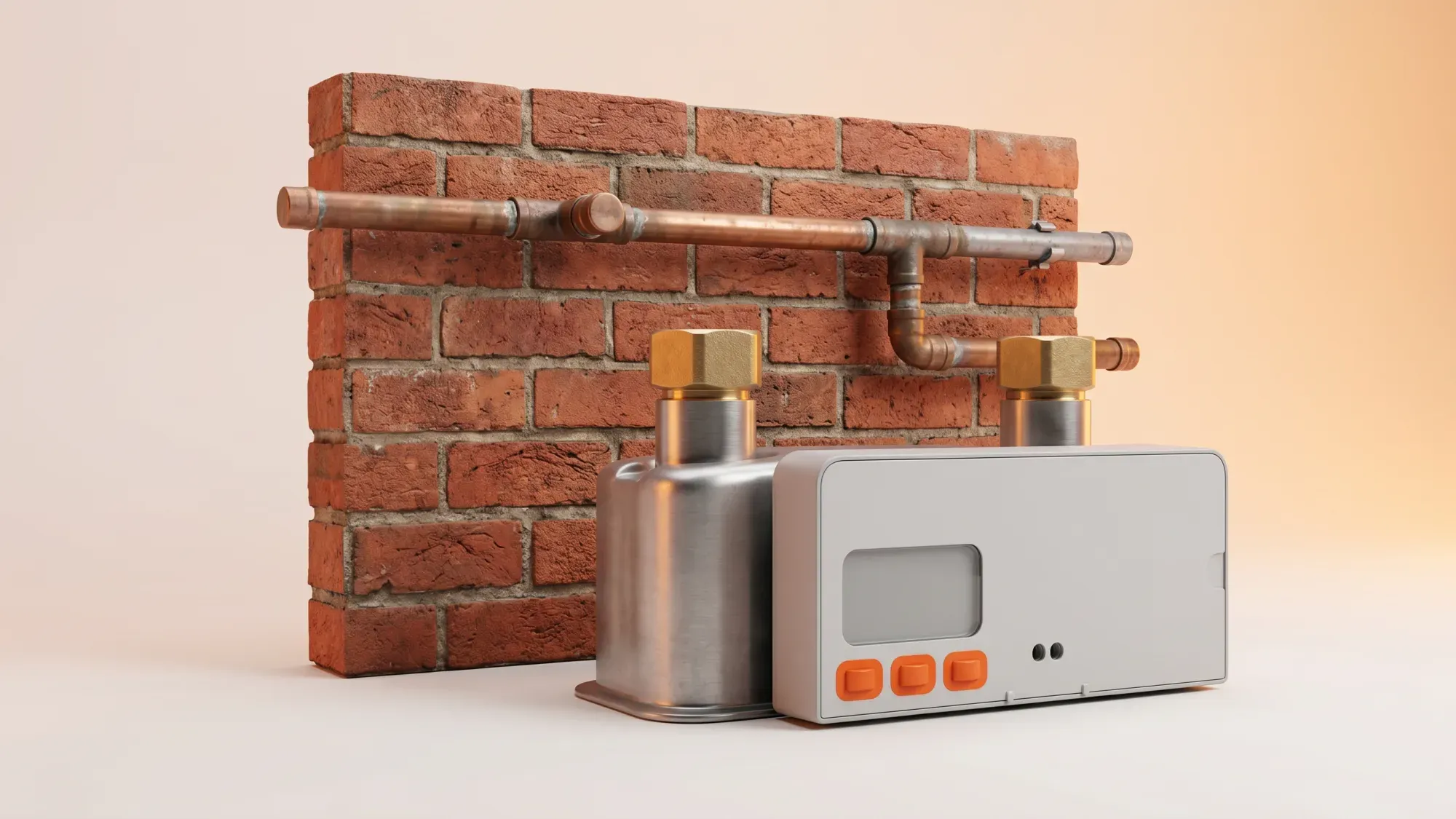
Many UK homeowners looking to remove their gas meter are really asking two things: how to do it safely and legally, and what the benefits are of moving away from gas entirely. Disconnecting your gas supply is a regulated process that requires careful coordination, but it is also a significant step towards an all-electric, more sustainable home.
This guide outlines the official process for gas meter removal in the UK, what it typically costs, and the crucial safety and legal requirements. It also explores why more households are making the switch to an electric future. Fuse Energy supports this transition, helping you move towards an abundant, clean energy future with no trade-offs. Our 24/7 human customer support is here to assist with any energy supply questions as you make this important change. Start your journey to a smarter, all-electric home by switching to Fuse Energy today here.
Enter your address to get a quote and see how much you could save
Why consider gas meter removal?
Removing your gas meter is not a decision to take lightly, but for many, it aligns with a vision for a more efficient, cost-effective, and environmentally friendly home. It is a clear signal of your commitment to an all-electric future.
Transitioning to an all-electric home
The drive towards an all-electric home is gaining momentum across the UK. Disconnecting your gas supply is a definitive step in this transition, allowing you to fully embrace modern electric alternatives for heating, hot water, and cooking. This aligns with a future where energy is abundant, clean, and without trade-offs.
Reducing property costs and carbon footprint
While there are upfront costs associated with gas meter removal and appliance replacement, transitioning to an all-electric home can offer long-term savings. You eliminate gas standing charges and supply contracts, and often benefit from more efficient electric technologies like heat pumps. Furthermore, by removing gas, you significantly reduce your home's carbon footprint, contributing to a cleaner environment.
Simplifying your energy supply
Managing a single energy supply - electricity - can simplify your household budgeting and energy management. Instead of juggling two different bills and suppliers, you consolidate your energy needs, often leading to a clearer understanding of your overall consumption and costs.
The official process for gas meter removal
Removing a gas meter is a regulated process that must be carried out by qualified professionals. Attempting DIY (do-it-yourself) gas meter removal is illegal and extremely dangerous. Here is a step-by-step breakdown of the official process.
Contacting your energy supplier
The first step is always to contact your current energy supplier. They are your primary point of contact and will arrange the gas meter removal on your behalf. Be clear about your intention to permanently stop your gas supply.
Removing the meter and capping the pipe
Your supplier arranges for a qualified engineer to remove the meter and safely cap the pipe at the emergency control valve. This is the step that stops your gas standing charge, and for most households it is all that is needed. The capped pipe stays in place, but no gas can flow through it.
Disconnecting the pipe at the main (optional)
If you also want the service pipe physically disconnected from the gas main, for example before building or renovation work, that is a separate job carried out by your gas network operator. The network operator owns and maintains the pipes that bring gas to your home, and you apply to them directly for this work. They will only do it once your supplier has removed the meter.
Decommissioning gas appliances
Before or immediately after the gas meter removal, ensure all gas appliances in your home - such as boilers, gas fires, and cookers - are safely decommissioned. This might involve having them removed or replaced with electric alternatives like heat pump technology, induction hobs, and electric vehicle chargers.
Understanding the costs and timescales
The question of cost is often a primary concern for homeowners considering gas meter removal. The key thing to understand is that there are two separate jobs, and most households only need the first one to stop paying for gas.
Typical costs for gas meter removal
The first job is the one most people want: your energy supplier removes the meter and caps the pipe at the emergency control valve, which stops your gas standing charge straight away. Costs vary by supplier. With Fuse, removing a gas meter is a one-off £141, as set out in our terms. Across the market, removal can cost up to around £500 depending on the supplier and the meter type. At this stage your gas network operator does not charge you for capping the pipe.1
The second job is a full disconnection, where the service pipe is physically cut off from the gas main. This is a separate, optional step that most people only need for building or renovation work. You apply directly to your gas network operator and you will be charged for it: a standard domestic disconnection typically costs around £900 to £1,500 plus VAT, depending on your region.2
Confirming what you will pay
Charges vary by supplier, and tend to be higher where the meter is unsafe, faulty, or awkward to access. Because policies differ, always confirm the exact charge with your supplier before booking, so you know what you will pay up front. At this stage your gas network operator does not charge you for capping the pipe at the control valve.1
Do you pay standing charge if the meter is removed?
No, once your gas meter is officially removed and your supply is disconnected, you will no longer pay a gas standing charge. The standing charge is a daily fee applied to active gas accounts, regardless of usage, so its removal contributes to long-term savings.
Factors influencing the price
Several factors can influence what you pay:
- Supplier policy: Different energy suppliers set different charges for removing the meter.
- Which job you need: Removing the meter and capping the pipe is the cheaper job; a full disconnection from the gas main is the costly part.
- Location of the meter: An easily accessible meter is quicker and cheaper to work on.
- Complexity and region: Disconnecting further back in the network, or regional pricing, can push the cost up.
Estimated timescales for disconnection
Having the meter removed by your supplier usually takes a few weeks once it is booked. A full disconnection from the gas main takes longer, often around 6 to 12 weeks, because it has to be planned and scheduled by the network operator.2 It is advisable to factor in a buffer period when planning your transition.
Safety and legal considerations
Safety is paramount when dealing with gas supplies. The regulations surrounding gas meter removal are strict for a reason: to protect lives and property.
Why DIY is dangerous and illegal
Attempting DIY gas meter removal is not only illegal but also extremely dangerous. Gas is highly flammable and explosive, and improper handling can lead to leaks, fires, explosions, and serious injury or death. Gas meter removal and disconnection must comply with UK gas safety regulations, primarily enforced by the Health and Safety Executive (HSE).
The role of qualified professionals
Only Gas Safe registered engineers, typically employed by or contracted through your gas network operator, are legally permitted to disconnect a gas supply and remove a meter. They have the training, equipment, and expertise to perform the work safely and in compliance with all regulations. Ofgem, the energy regulator, sets rules and guidelines for energy suppliers regarding meter removal and disconnections, including consumer protection.
Ensuring a safe transition
To ensure a safe transition, always go through the official channels, starting with your energy supplier. Do not attempt to tamper with your gas meter or pipework yourself. Once the gas supply is disconnected, ensure any remaining gas appliances are professionally decommissioned or removed.
Life after gas: embracing an all-electric home
Removing your gas meter is just the beginning of your journey towards an all-electric home. This transition opens up new possibilities for comfort, efficiency, and environmental responsibility, without sacrificing convenience.
Heating and hot water solutions
With gas out of the picture, you will need alternative solutions for heating and hot water. Air source heat pumps are a popular and efficient choice, drawing heat from the air to warm your home and water. Electric boilers and immersion heaters are also options, though generally less efficient than heat pumps for primary heating.
Electric cooking appliances
Transitioning to electric cooking means exploring modern appliances like induction hobs, which offer precise temperature control and energy efficiency. Electric ovens and ranges provide reliable performance for all your culinary needs.
Benefits of an all-electric lifestyle
Embracing an all-electric lifestyle means a home that is cleaner, potentially safer (no gas leaks), and more aligned with renewable energy sources. It simplifies your energy management and puts you in a better position to benefit from future smart home technologies and grid services. The average UK home uses around 2,700 kWh of electricity per year3, and with an all-electric setup, you can optimise this usage with smart tariffs and home energy management systems.
Fuse Energy supports homeowners in their journey towards an all-electric future. If you are a Fuse customer, we can arrange your gas meter removal for a one-off fee of £141, and our 24/7 human customer support is there for any queries about managing your energy supply afterwards. The separate disconnection of the service pipe at the gas main is always handled by your network operator. Join Fuse to take control of your energy and build the future you imagined. Find out more about our mission to deliver the cheapest, cleanest energy possible here.
References
Disclaimer
For the avoidance of doubt, this article is provided for informational purposes only and is not intended to constitute legal or financial advice. The author and/or Fuse Energy shall not be responsible for any losses arising out of any reliance on the information contained herein.