Radio teleswitch explained
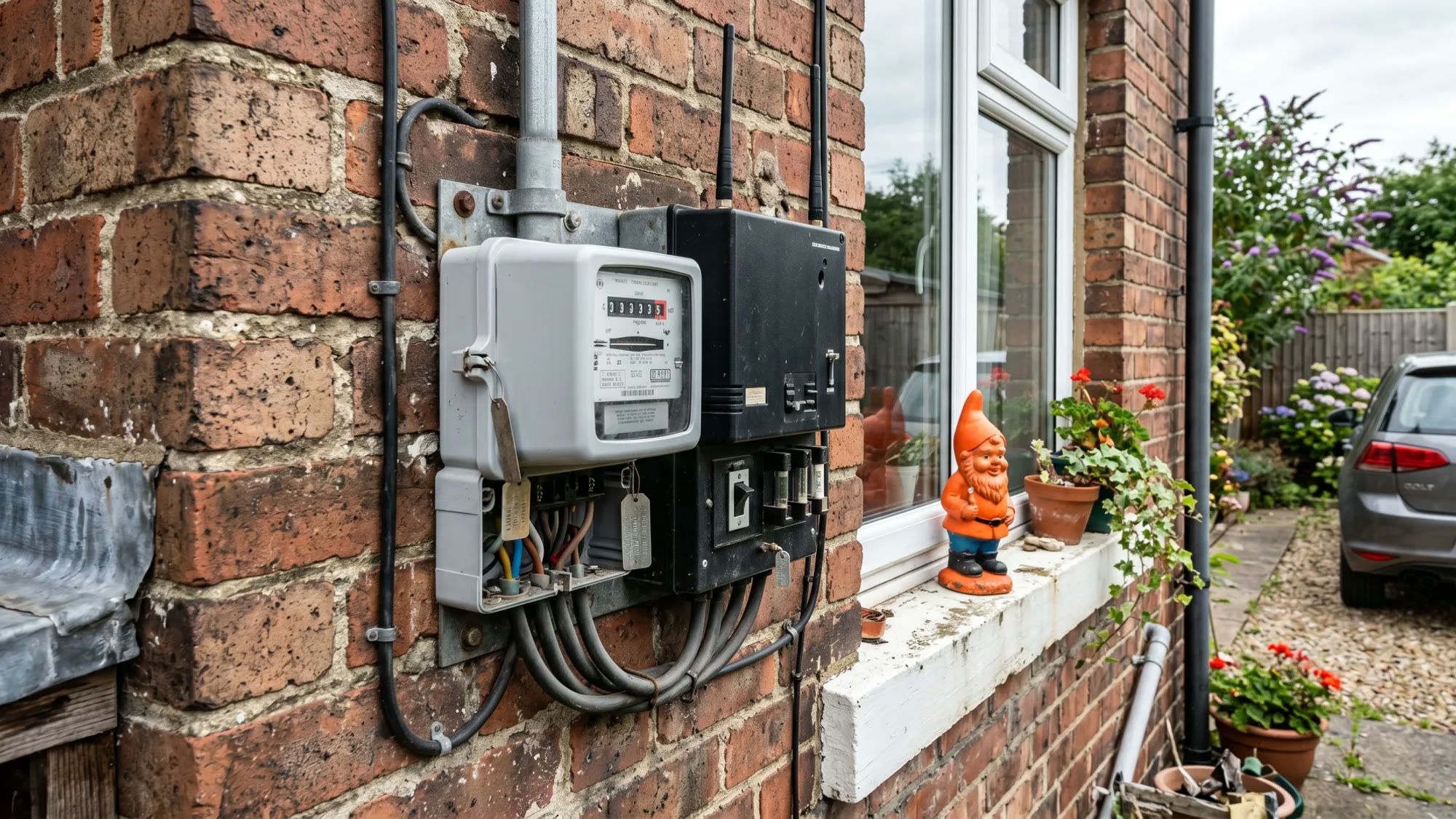
Many UK homeowners with multi-rate electricity tariffs or storage heaters are confused about what a radio teleswitch (RTS) meter is, how its impending switch-off affects them, and what steps they need to take. This guide cuts through the confusion, offering clear, actionable advice to navigate the transition to modern energy management.
The industry-wide phase-out of radio teleswitch meters is a necessary modernisation, not a cause for concern. Once your current energy supplier has replaced your RTS meter with a smart meter, you will be ready to experience a more transparent and efficient approach to energy. Fuse Energy offers a modern energy experience, designed for smart meters.
Understanding the phase-out of radio teleswitch meters is the first step towards a more modern energy setup. Once your current supplier has upgraded your meter, you can switch to Fuse Energy for a transparent and efficient energy experience. Click here to see how easy it is to get started.
Enter your address to get a quote and see how much you could save
What is a radio teleswitch meter?
A radio teleswitch (RTS) meter is a legacy electricity meter that uses longwave radio signals to switch between different electricity rates, typically peak and off-peak. These meters are commonly associated with multi-rate tariffs, such as Economy 7, allowing households to pay a lower rate for electricity used during specific off-peak hours, often overnight. This system was designed to help manage electricity demand by encouraging consumption during quieter periods.
What is a radio teleswitch meter?
A radio teleswitch (RTS) meter is a legacy electricity meter that uses longwave radio signals to switch between different electricity rates, typically peak and off-peak. This technology allowed energy suppliers to manage demand by encouraging consumption during off-peak hours, often for tariffs like Economy 7 or for controlling storage heaters.
How radio teleswitching works
The Radio Teleswitch Service (RTS) operates by transmitting a longwave radio signal across the UK. This signal carries instructions to RTS meters, telling them when to switch between different registers for peak and off-peak electricity consumption. For instance, an Economy 7 radio teleswitch meter would receive a signal to activate its off-peak rate for seven hours overnight. This allowed for automated control of tariffs without needing a physical connection to the internet or a phone line.
Common types of radio teleswitch meters
RTS meters come in various forms, often integrated into a larger meter box or appearing as a separate unit alongside your main electricity meter. They are primarily found in homes with multi-rate tariffs like Economy 7, Economy 10, or those with electric storage heaters. While the exact appearance can vary, they all share the core function of responding to the RTS signal. Searching for images of 'radio teleswitch box' or 'Economy 7 radio teleswitch meter' can provide visual examples.
Why is the radio teleswitch service being switched off?
RTS is an outdated technology. It relies on infrastructure that is becoming increasingly expensive to maintain and is not compatible with the demands of a modern, smart energy grid. The industry-wide RTS shutdown marks a crucial step towards a more efficient and flexible energy system.
The impending RTS switch-off date
The industry-wide switch-off of RTS signal began on 30 June 20251. After this date, RTS meters will cease to function as intended, meaning they will no longer be able to switch between peak and off-peak rates. This makes them obsolete for managing multi-rate tariffs. Ofgem, the UK's energy regulator, oversees this phase-out to ensure a smooth transition for consumers.
Implications for homeowners
If you have an RTS meter, its deactivation means you could lose access to your off-peak electricity rates. Your meter might default to a single, higher rate, potentially increasing your energy bills. This affects homeowners across the UK. Proactive replacement is key to avoiding billing issues and ensuring you continue to benefit from appropriate tariffs.
How to identify your radio teleswitch meter
Many homeowners are unsure if they have a radio teleswitch meter. Identifying it is the first step towards ensuring a smooth transition.
Visual cues and labels
A radio teleswitch meter often has a distinct appearance. Look for a separate box or a unit attached to your main electricity meter, sometimes labelled "RTS" or "Teleswitch". It might also have a small aerial or a red light. Some common manufacturers include Horstmann, Sangamo, and Landis+Gyr. The meter might have multiple displays or registers, indicating different rates (e.g., 'Rate 1' and 'Rate 2' or 'Peak' and 'Off-Peak'). Searching for images of 'radio teleswitch box' or 'Economy 7 radio teleswitch meter' can provide visual examples.
Checking your electricity bill
Your electricity bill is another reliable source of information. It should indicate if you are on a multi-rate tariff (like Economy 7) and might specify your meter type. If your bill shows separate charges for different times of day, it is highly likely you have a meter controlled by RTS. If you are still unsure, your energy supplier can confirm your meter type.
What to do if you have a radio teleswitch meter
If you have identified that you have an RTS meter, do not delay. Taking action now will prevent potential disruption to your energy supply and billing.
Contacting your current energy supplier
Your current energy supplier is responsible for replacing your RTS meter. They are obligated to replace RTS meters with smart meters at no charge to the customer. Contact them as soon as possible to confirm your meter type and arrange a free smart meter upgrade. This upgrade is necessary due to the industry-wide phase-out, and your supplier will guide you through the process.
The smart meter upgrade process
Once you contact your supplier, they will schedule an appointment to replace your old radio teleswitch electricity meter with a new smart meter. This installation is typically straightforward. The new smart meter will ensure your multi-rate tariff continues to function correctly and will unlock a host of new features. Do not attempt to switch to a new energy supplier before your RTS meter has been replaced, as this can lead to service disruption.
Benefits of replacing your radio teleswitch meter with a smart meter
Replacing your radio teleswitch meter with a smart meter is not just about avoiding problems; it is an opportunity to modernise your home energy management. Smart meters are the alternative to radio teleswitch technology, bringing numerous advantages.
Accurate billing and real-time data
Smart meters send automated readings directly to your energy supplier, eliminating the need for manual readings and ensuring accurate billing. You can also access real-time data on your energy consumption, often through an in-home display or your supplier's app. This transparency helps you understand and control your energy usage more effectively.
Access to modern tariffs
With a smart meter, you unlock eligibility for modern, smart-meter-dependent tariff features. These can include more flexible time-of-use tariffs, which might offer even greater savings than traditional Economy 7, or tariffs that support electric vehicle charging, such as the off-peak variable tariff. Without a smart meter, you might miss out on these innovative options.
Preparing for a future-ready home
Smart meters are foundational for a future-ready home. They enable better grid management, support the integration of renewable energy sources, and can facilitate smart home devices like EV chargers and home batteries. Moving to a smart meter positions your home to take advantage of upcoming energy innovations, moving from legacy, scarcity-based energy management to modern, abundant energy possibilities.
Your energy future with Fuse Energy
The transition away from RTS is an opportunity to embrace a more dynamic and transparent energy future.
Embracing modern energy management
Once your RTS meter has been replaced with a smart meter, you will gain greater control and transparency over your energy usage. This aligns perfectly with Fuse Energy's approach to modern energy management. Our app provides clear insights into your consumption, helping you make informed decisions about your energy use. We believe in empowering you to use more energy, not less, when it is cheap and clean.
The next step after your smart meter upgrade
Fuse Energy does not install, convert, or upgrade RTS meters itself. Your current supplier must replace your RTS meter with a smart meter before you can switch to Fuse. Once your current supplier has completed this upgrade, you will be ready to join Fuse Energy. We are building the infrastructure for the energy the future requires, offering a digital-first experience designed for smart meters.
Once your current supplier has upgraded your RTS meter to a smart meter, you will be ready to experience energy differently. Fuse Energy offers clear pricing, real-time usage data through our app, and 24/7 human customer support. We make switching simple, so you can take control of your energy bills and embrace a modern, digital-first experience. Click here to switch to Fuse Energy today and start your journey towards a more abundant energy future. You can also learn more about our mission to deliver clean, affordable energy here.
References
Disclaimer
For the avoidance of doubt, this article is provided for informational purposes only and is not intended to constitute legal or financial advice. The author and/or Fuse Energy shall not be responsible for any losses arising out of any reliance on the information contained herein.