How much is electricity per kWh? 26.11p Under the cap
For the quarter from 1 July to 30 September 2026, the electricity price in the UK was 26.11p per kilowatt-hour (kWh) for an illustrative Direct Debit household on the Ofgem price-cap default tariff, inclusive of 5% VAT. Understanding this unit rate, what influences it, and how to manage your consumption is key to controlling your household energy bills. The average UK home uses around 2,500 kWh of electricity per year1, providing a useful benchmark for typical consumption.
Understanding your electricity price per kWh is crucial for managing your energy costs. Fuse Energy offers clear pricing and tools to help you take control of your energy usage. Click here to switch to Fuse Energy today.
Enter your address to get a quote and see how much you could save
Understanding the current electricity price
The Ofgem Price Cap explained
The energy price cap, set by Ofgem, regulates the maximum rates energy suppliers can charge for their standard variable tariffs in the UK. This cap is reviewed quarterly and directly influences the unit rate you pay for electricity, as well as the daily standing charge. It ensures that prices reflect the true cost of energy, protecting consumers from excessive charges while allowing suppliers to recover their costs. Ofgem regulates the UK energy market and sets this cap to provide a safety net for households.
Unit rate vs standing charge
Your electricity bill is typically made up of two main components: the unit rate and the standing charge. The unit rate is the cost per kilowatt-hour (kWh) of electricity you use. For the quarter from 1 July to 30 September 2026, this was 26.11p per kWh for a Direct Debit customer on a Standard Variable Tariff, including 5% VAT. The standing charge is a fixed daily fee that covers the costs of maintaining the electricity network and other operational expenses, regardless of how much energy you use. For the same period, the average daily standing charge for electricity was 57.19p, also inclusive of 5% VAT.
Average household consumption
Knowing your household's average electricity consumption is vital for budgeting and identifying areas for potential savings. The average UK home uses approximately 2,500 kWh of electricity per year. This figure serves as a useful guide, but individual usage can vary significantly based on factors such as household size, appliance efficiency, and lifestyle. Monitoring your own consumption against this average can help you assess your energy habits.
Key factors influencing electricity costs
Several elements contribute to the final price you pay for electricity. Understanding these can help demystify your energy bill.
Wholesale energy prices
The largest component of your electricity bill is the wholesale cost of energy. This is the price suppliers pay to buy electricity from generators on the open market. These prices are influenced by global supply and demand, geopolitical events, and the cost of fuels like natural gas. Fluctuations in wholesale prices are a primary driver behind changes in the Ofgem Price Cap.
Network charges and operating costs
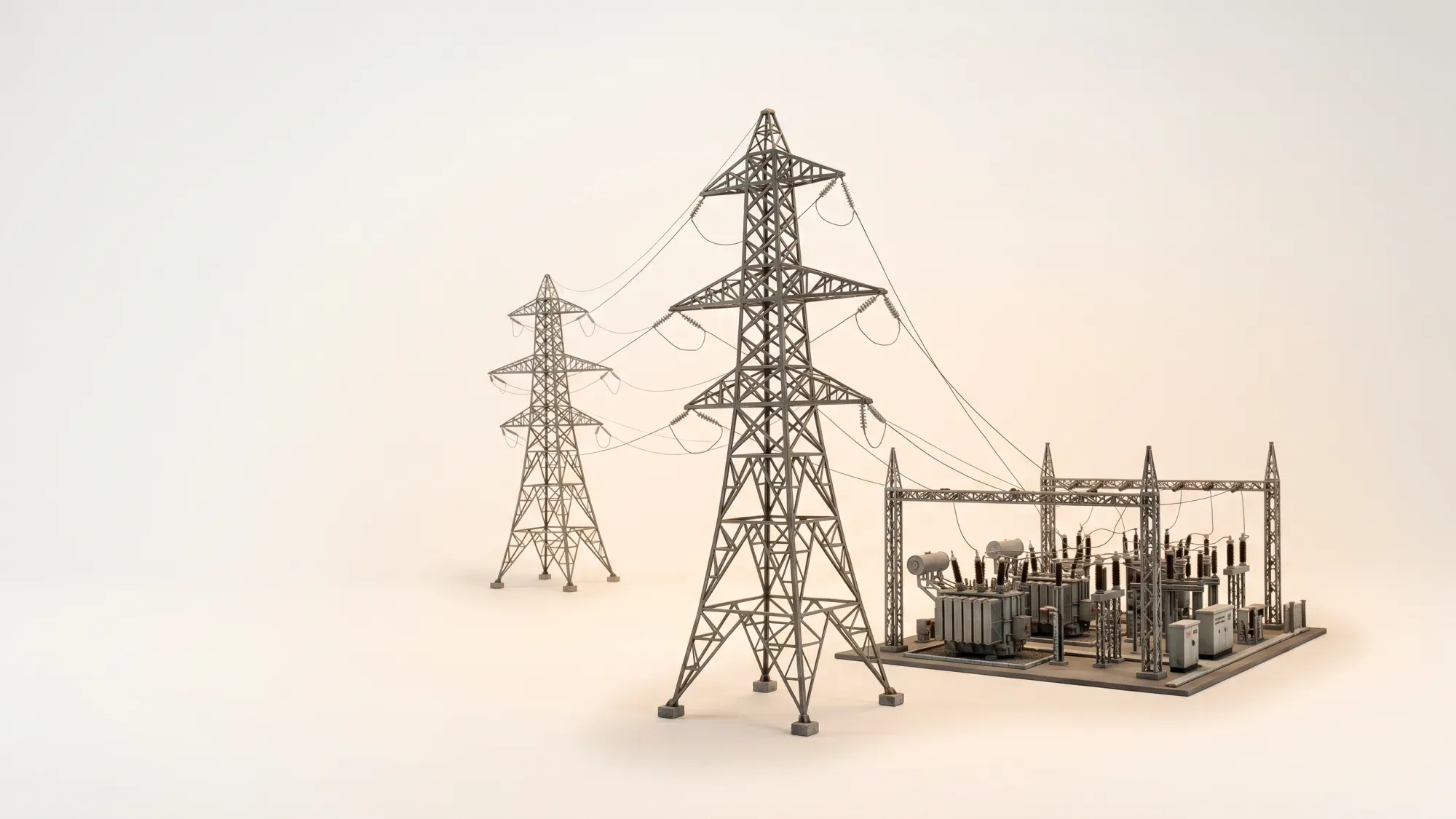
Network charges cover the cost of maintaining and upgrading the UK's electricity grid - the pylons, cables, and substations that transport electricity to your home. These charges are paid to the Distribution Network Operators (DNOs) and the National Grid. Suppliers also incur their own operating costs, including customer service, billing, and administrative expenses, which are factored into the overall price.
Environmental and social Obligation levies
These levies are government-mandated charges designed to support environmental initiatives and help vulnerable households. They fund schemes such as the Renewables Obligation and the Warm Home Discount. While these add to the cost of electricity, they contribute to broader energy policy goals, including decarbonisation and energy affordability.
VAT and other taxes
Value Added Tax (VAT) is applied to your electricity bill. For the quarter from 1 July to 30 September 2026, electricity unit rates and standing charges included 5% VAT. Other taxes and charges may also apply, contributing to the overall cost of supplying energy.
Regional variations in electricity prices
Why prices differ across the UK
Electricity prices can vary slightly across different regions of the UK. These regional differences are primarily due to variations in network charges, which reflect the cost of maintaining and operating the local electricity infrastructure. Older or more dispersed networks may have higher maintenance costs, leading to slightly different charges for consumers in those areas.
Finding your local rates
To find the specific rates for your area, you can refer to your energy bill, which will detail your unit rate and standing charge. Energy suppliers also provide regional breakdowns of their tariffs. Understanding these local variations can be important when comparing deals or assessing your energy costs.
Managing your electricity usage and bills
Taking an active role in managing your electricity usage can significantly impact your household budget.
Monitoring your consumption
Regularly checking your electricity consumption is the first step towards better management. Smart meters provide real-time data, allowing you to see how much energy you are using and what it is costing you. Many energy apps, including Fuse Energy's, offer tools to track your usage, helping you identify patterns and areas where you can reduce consumption.
Energy-saving tips for your home
Simple changes around the home can lead to noticeable savings. Consider:
- Switching off lights and appliances when not in use.
- Using energy-efficient appliances (look for high energy ratings).
- Improving insulation to reduce heating and cooling needs.
- Washing clothes at lower temperatures and drying them naturally.
- Unplugging chargers and devices when they are not charging.
Choosing the right tariff
While the energy price cap sets a maximum, some tariffs may offer better value depending on your usage patterns. Fixed tariffs can lock in your unit rate for a set period, offering predictability, while variable tariffs fluctuate with the market. If you have a smart meter, you might also consider time-of-use tariffs that offer cheaper electricity during off-peak hours.
Managing your electricity costs is simpler with clear information and support. Fuse Energy provides transparent pricing and in-app tools to help you understand your unit rates, standing charges, and consumption, putting you in control of your energy usage. Plus, our 24/7 human customer support team is always on hand to answer your questions and help you navigate your energy journey. Click here to switch to Fuse Energy today and experience energy management designed around you. You can also learn more about our mission to deliver abundant, affordable energy here.
References
Disclaimer
For the avoidance of doubt, this article is provided for informational purposes only and is not intended to constitute legal or financial advice. The author and/or Fuse Energy shall not be responsible for any losses arising out of any reliance on the information contained herein.