Preventing door slamming: a complete guide
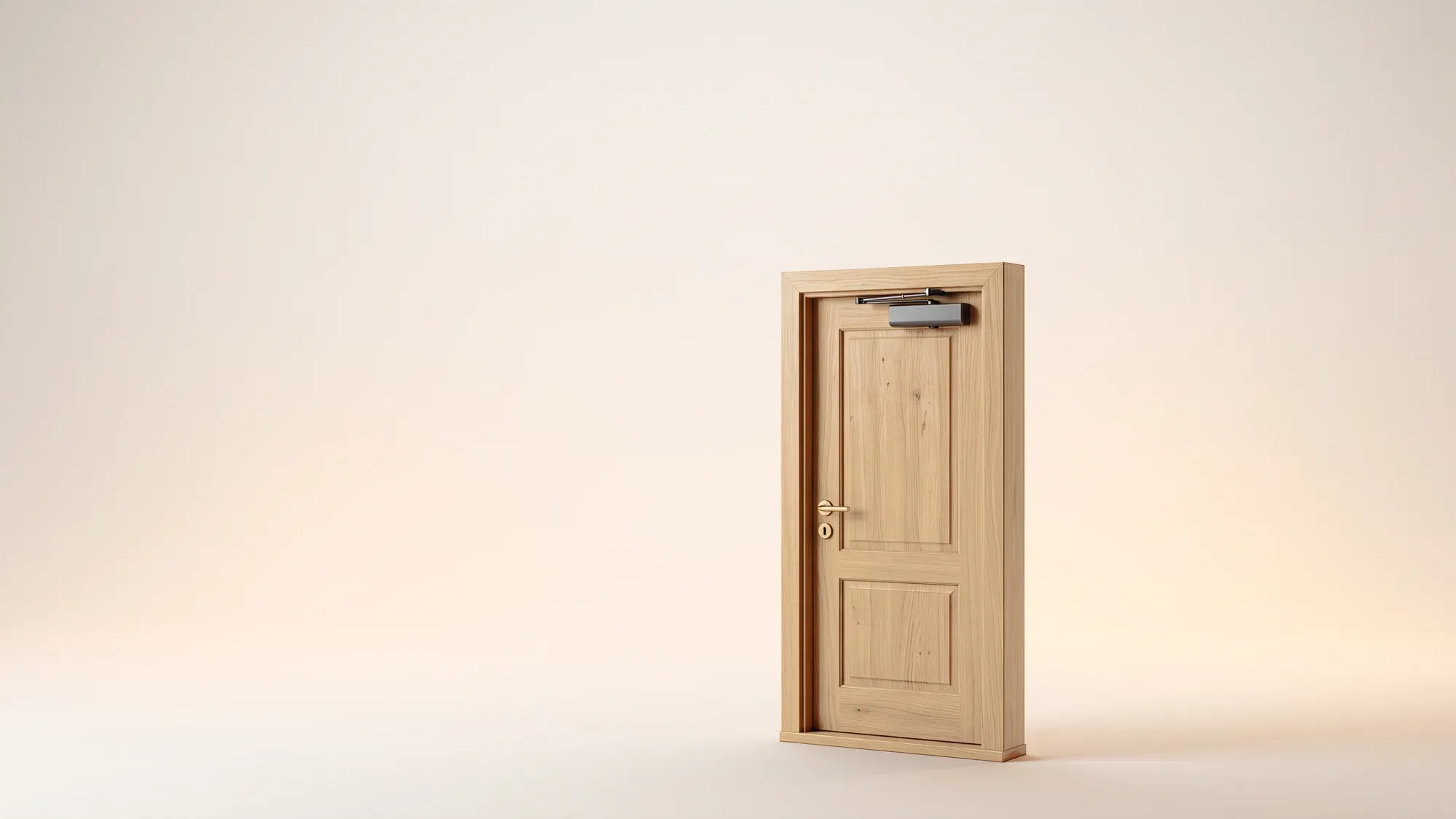
Doors slamming shut can be a jarring nuisance, disrupting peace and potentially causing damage to property. Understanding why doors slam is the first step to finding an effective solution, whether through simple DIY fixes or more advanced hardware.
Doors slamming shut are more than just annoying; they can damage frames, hinges, and even walls over time. Fortunately, most causes are straightforward to diagnose and fix, offering homeowners and renters practical ways to maintain a quieter, more secure living space.
Thinking about Preventing door slamming? With Fuse Energy, you get clear pricing, real-time usage data, 24/7 human customer support, and a modern energy experience designed around you. Signing up takes just a few minutes, so you can take control of your bills from day one. Click here to switch to Fuse Energy today and start saving.
Enter your address to get a quote and see how much you could save
Why do doors slam?
Doors don't usually slam without a reason. Identifying the underlying cause is crucial for choosing the most effective prevention method.
Air pressure and draughts
One of the most common culprits behind a slamming door is changes in air pressure or sudden draughts. When windows or other doors are open, air currents can create pressure differences between rooms, causing doors to swing shut unexpectedly and forcefully. Draughts and air pressure differences are common causes of door slamming. This is particularly noticeable in older homes or properties with less effective insulation.
Worn hinges and misalignment
Over time, door hinges can become loose, worn, or misaligned. If the hinges aren't tight or fitted correctly, the door may swing more freely and pick up speed as it shuts, leading to a slam. A poorly aligned door won't close smoothly, which can also make it snap shut with force. Faulty hinges can throw off a door's alignment, causing it to slam.
Poorly fitted doors
A door that isn't perfectly vertical or properly fitted within its frame can also be prone to slamming. If the door isn't balanced, its own weight can cause it to move and close harshly. This can be an issue with new installations or if a property experiences structural shifts over time.
Simple DIY fixes for slamming doors
Before investing in new hardware, several low-cost and easy-to-implement DIY solutions can help prevent doors from slamming.
Using felt pads and rubber buffers
Felt pads or rubber buffers can cushion impact and reduce noise. These small, self-adhesive pads can be placed along the edge of the door frame where the door makes contact when closing. They provide a soft cushioning that slows the door and absorbs shock, significantly reducing the sound of a slam. They are particularly effective for lighter internal doors.
Draught excluders and seals
Draught excluders and door seals can help prevent slamming by addressing air pressure issues. Applying rubber weatherstripping or foam strips along the doorframe creates a cushioned barrier that dampens sound and movement. This also helps manage airflow around the door, reducing the force that can cause it to slam shut. Door seals, such as fabric tubes at the bottom of the door, create friction and prevent slamming while also helping with insulation.
Temporary solutions: wedges and fabric ties
For quick, temporary fixes, door wedges are an effective way to keep a door from closing fully. They are easy to install and can protect walls and floors from scratches and dents. Placing a rolled-up towel or fabric under the door can also achieve a similar effect. Another simple method involves tying a thick rubber band around both doorknobs so it stretches across the door's edge, creating a buffer against the frame.
Hardware solutions to stop door slamming
When DIY fixes aren't enough, or for a more permanent solution, specialised hardware can effectively prevent door slamming.
Door closers and dampers
Door closers can provide controlled closing, preventing sudden slams. These devices, often installed at the top of the door, use hydraulic or pneumatic pressure to regulate the door's closing speed, ensuring it shuts slowly and smoothly. Soft-close door dampers are particularly useful for reducing noise and preventing accidents, especially in family settings where children might catch their fingers.
How does a soft-close door damper work?
A soft-close door damper engages as the door nears the frame. Inside, a piston or air chamber absorbs the closing force, gently controlling the door's speed. This mechanism prevents the door from slamming shut, effectively reducing noise and wear on the door and frame.
Anti-slam hinges
Anti-slam hinges are designed to slow down the door as it closes, preventing it from slamming shut. While they may be more expensive than standard hinges due to their complex design, they offer a reliable solution for noise reduction and preventing damage.
Magnetic catches and door stops
Magnetic catches offer a discreet way to keep doors securely closed without a traditional latch, preventing them from swinging open or slamming shut unexpectedly. They use magnetic force to hold the door in position, providing a soft but secure closing action. Door stops, available in various forms such as floor-mounted or wall-mounted designs, physically limit how far a door can open or prevent it from closing completely. These can be particularly useful in areas prone to strong winds.
Long-term prevention and maintenance
Regular maintenance and addressing underlying structural issues are key to long-term door slam prevention.
Adjusting hinges and latches
Checking and adjusting door hinges is a fundamental step. Loose screws or warped hinge parts are common causes of slamming. Tightening loose hinge pins or replacing worn screws can often resolve the issue. If the door still won't latch smoothly, the strike plate may need adjustment to ensure proper alignment.
Lubricating moving parts
Regular lubrication of hinges can improve door movement and prevent sticking. Applying a suitable lubricant to the hinges can ensure smooth operation and reduce the likelihood of the door catching and slamming. This simple maintenance step can extend the life of your door hardware and contribute to a quieter home.
Addressing structural issues
In some cases, door slamming can be a symptom of larger structural issues within a property, such as foundation movement or warping frames. While these are more complex to address, they should not be ignored as they can lead to more significant problems over time. Consulting a professional for structural assessments can help identify and rectify these underlying causes, providing a lasting solution to persistent door slamming.
Disclaimer
For the avoidance of doubt, this article is provided for informational purposes only and is not intended to constitute legal or financial advice. The author and/or Fuse Energy shall not be responsible for any losses arising out of any reliance on the information contained herein.