Old gas meter replacement
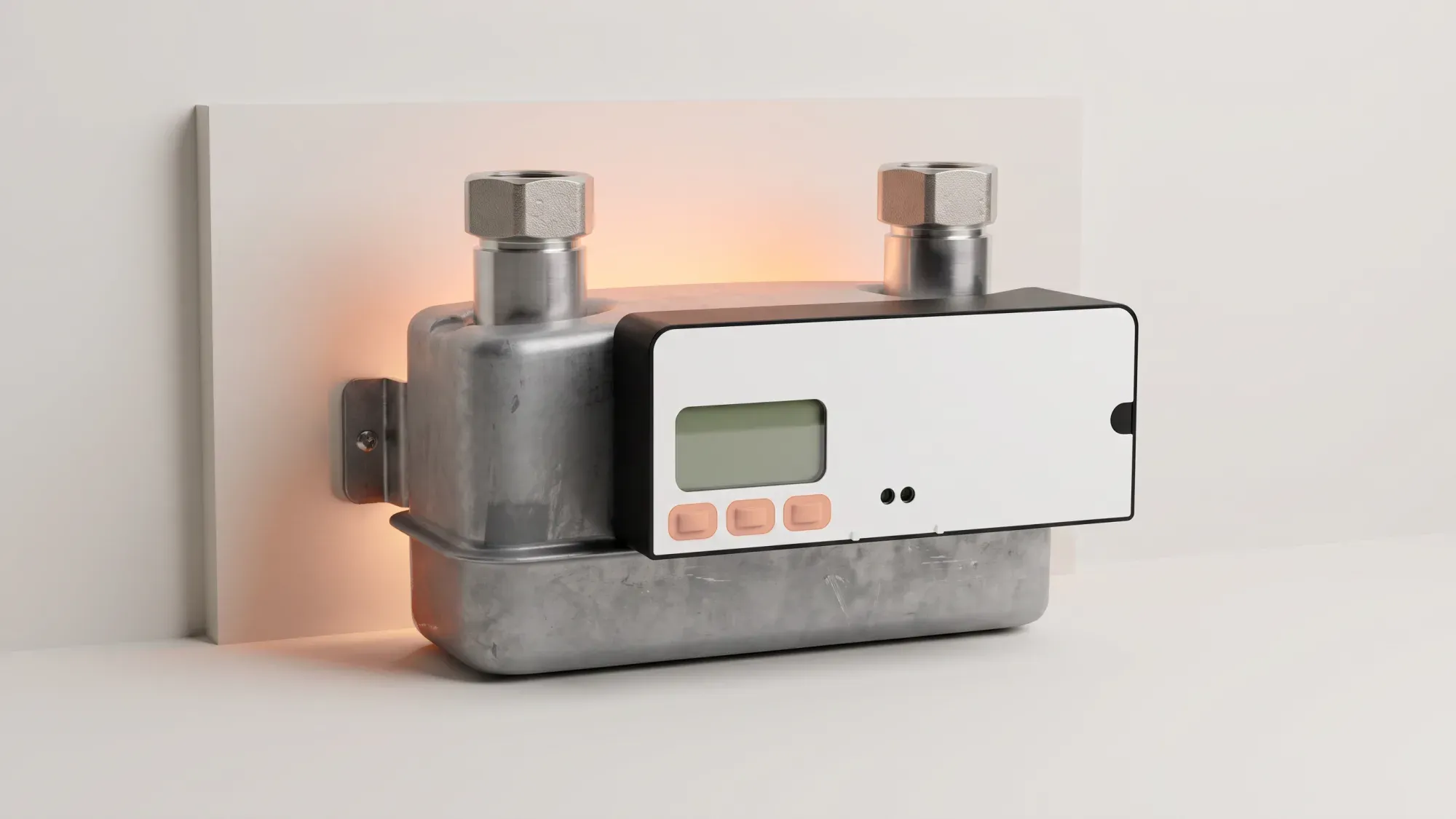
An old gas meter can lead to inaccurate bills or even supply issues. Energy suppliers are responsible for replacing these meters, often with a free upgrade to a smart meter, which can give you better control over your energy use.
If you are looking into replacing your old gas meter, Fuse Energy offers clear pricing and real-time usage data to help you manage your energy more effectively. Click here to explore switching to a modern energy experience.
Enter your address to get a quote and see how much you could save
What defines an old gas meter?
An "old" gas meter is categorised by its age, the technology it uses, and its ability to integrate with modern energy management systems. These factors determine if an upgrade is necessary.
Age and technology
Gas meters have a legal certification lifespan, after which they must be replaced to ensure continued accuracy and safety. Industry practice dictates that your energy supplier tracks when your meter is nearing its expiry date and will contact you to arrange a replacement. While an expired meter is not necessarily dangerous, it may be more prone to developing faults that affect accuracy, potentially leading to incorrect billing.
Older meters are often traditional models that require manual readings, lacking the digital capabilities of newer smart meters.
Lifespan and accuracy
Over time, the internal components of a gas meter can degrade, affecting its ability to accurately measure gas consumption. This can result in bills that do not reflect actual usage, either overcharging or undercharging you. Ofgem, the energy regulator, sets strict standards for meter accuracy and ensures suppliers adhere to regular replacement schedules to maintain fairness for customers.
Implications of an old gas meter
Potential for inaccurate billing
An old gas meter might not accurately record your energy use. This means you could be paying for more gas than you actually consume, or conversely, paying less and building up a debt that your supplier will eventually recover. Inaccurate billing can lead to unexpected costs and make budgeting difficult. The average UK home uses around 9,500 kWh of gas per year, according to Ofgem1, so even small inaccuracies can add up over time.
Safety considerations
While an old gas meter is not inherently dangerous, any meter that is visibly damaged, leaking, or making unusual noises should be reported immediately. Gas leaks are serious and require urgent attention from your gas network operator. If you suspect a gas leak, open windows and doors, do not use electrical switches, and call the Gas Emergency Service on 0800 111 999. Do not assume an old meter is automatically dangerous unless there are specific, verifiable safety concerns.
The critical SMETS1 gas meter battery issue
A unique problem can arise with older SMETS1 smart gas meters: a fully depleted battery will cause the internal safety valve to close, cutting off the gas supply until the meter is exchanged. This is a deliberate safety mechanism, not a fault, but it means you could suddenly lose your gas supply without warning if your SMETS1 meter's battery dies. Unlike other devices, the battery in a gas meter is sealed and cannot be replaced; the entire meter must be exchanged.
Checking your gas meter
Locating your meter's details
Your gas meter is usually located outside your home in a meter box, or sometimes inside under the stairs or in a utility cupboard. On the meter, you will find important details such as the meter serial number (MSN) and potentially the date of manufacture or installation. These details help your energy supplier identify your meter and its certification lifespan.
What to look for
Check for any visible damage, corrosion, or signs of a leak (such as a smell of gas). Also, note if the display is blank or difficult to read, especially on smart meters. If you have a smart gas meter, a blank display could indicate a low or depleted battery, which, as mentioned, can lead to a gas supply cut-off if it is a SMETS1 model.
The gas meter replacement process
Who is responsible for replacement?
Energy suppliers are legally responsible for the maintenance and replacement of gas meters in UK homes, not the homeowner or tenant. This includes ensuring meters are safe, accurate, and replaced when they reach the end of their certified lifespan. You should never attempt to tamper with or replace a gas meter yourself.
Is a gas meter replacement free?
Yes, a standard gas meter replacement is typically free of charge. Energy suppliers are obligated to replace meters that have reached the end of their certified lifespan or are faulty. Smart meter upgrades, which often replace old gas meters, are also provided free of charge to eligible homes in line with industry regulations.
Arranging your smart meter upgrade
If you have an old or faulty gas meter, or if your energy supplier contacts you about a meter nearing its expiry date, you should contact them to arrange a replacement. Most suppliers will offer a free upgrade to a smart meter, which brings additional benefits beyond just accuracy. The process involves booking an appointment for a certified engineer to visit your home and install the new meter.
Benefits of a smart meter upgrade
Accurate billing and real-time data
Smart meters send automatic readings to your supplier, ensuring your bills are based on your actual usage, not estimates. This eliminates bill shock and helps you budget more effectively. Many smart meters also come with an in-home display (IHD) that shows your energy consumption in real-time, giving you immediate insight into how much gas you are using.
Enhanced control and energy management
With a smart meter, you gain greater control over your energy use. By seeing your consumption patterns, you can identify areas where you might be able to reduce usage or shift it to cheaper times of the day if you are on a time-of-use tariff. This empowerment helps you make informed decisions about your energy habits.
Contribution to a modern energy grid
Upgrading to a smart meter is not just about personal benefits; it also contributes to a more efficient and modern energy infrastructure for the UK. Smart meters provide valuable data that helps manage energy demand across the grid, supporting the integration of renewable energy sources and working towards a more sustainable future.
How Fuse Energy supports your meter upgrade
Fuse Energy is committed to providing a modern energy experience, and that includes facilitating seamless smart meter upgrades for our customers. We guide you through the process of replacing your old gas meter with a new smart meter, ensuring minimal disruption to your home. We also offer 24/7 human customer support to assist you with any queries about your meter, upgrades, or energy-related concerns. Our team is always ready to help ensure a smooth transition.
With a Fuse smart meter, you unlock the full potential of our transparent app. The Fuse app provides real-time energy usage data, allowing you to track your consumption, understand your costs, and manage your energy more effectively. This digital control empowers you with clear insights into your energy habits, moving beyond the scarcity mindset associated with old, inefficient meters. Click here to switch to Fuse Energy today and take control of your energy.
References
Disclaimer
For the avoidance of doubt, this article is provided for informational purposes only and is not intended to constitute legal or financial advice. The author and/or Fuse Energy shall not be responsible for any losses arising out of any reliance on the information contained herein.