Costs and alternatives for oil central heating
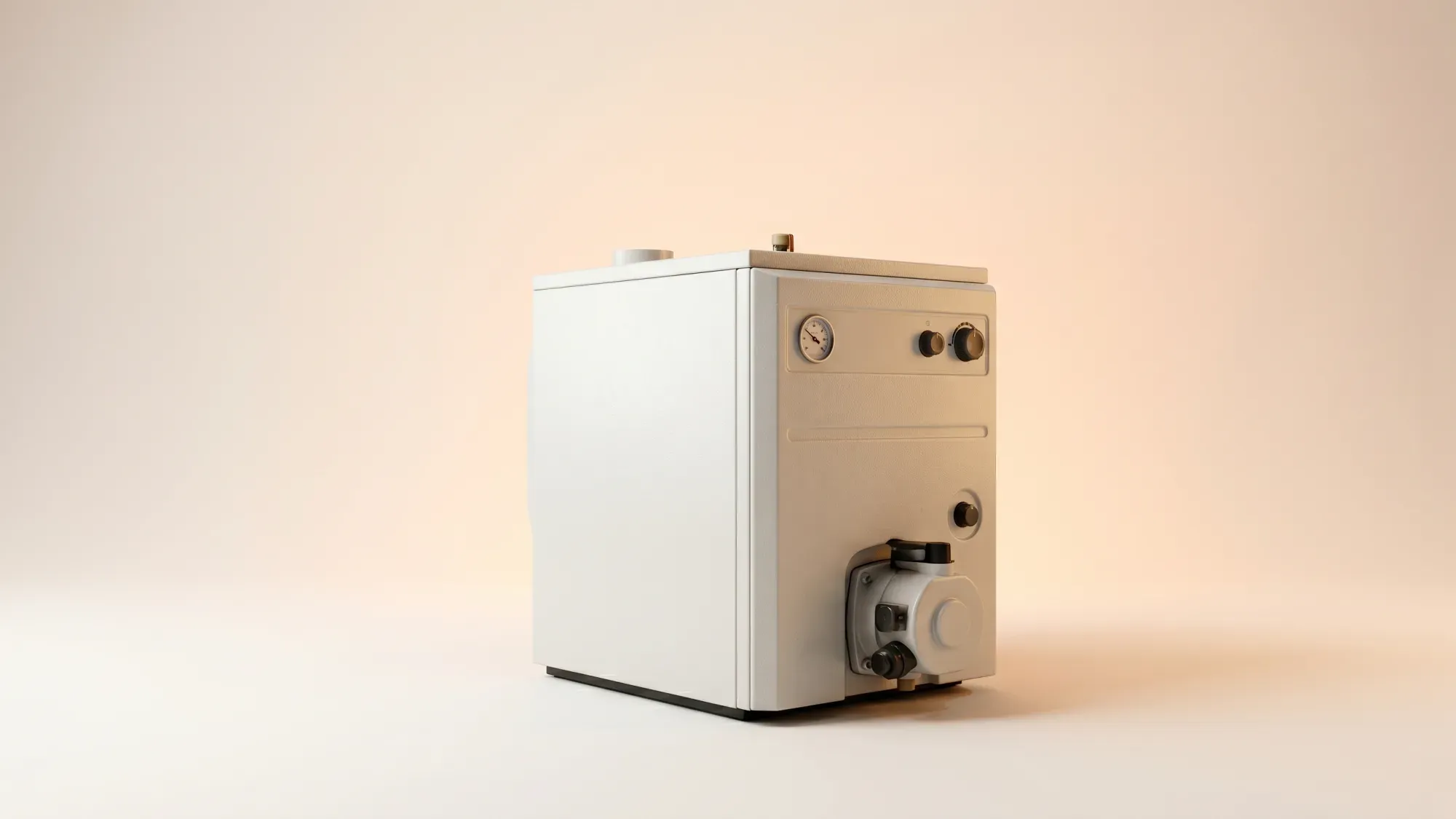
Oil central heating is a common solution for many off-grid and rural homes across the UK. These systems keep properties warm by burning heating oil, typically kerosene, which is stored in a tank on your property and delivered periodically. While reliable, oil central heating presents unique challenges, particularly regarding running costs and efficiency. This guide explores how these systems work, factors influencing their cost, and the modern alternatives available to off-grid homeowners.
Making the switch from oil central heating to modern electric alternatives offers off-grid UK homeowners a clear path to greater energy control and efficiency. Fuse Energy provides clean energy and smart home energy solutions for off-grid UK homeowners transitioning to modern electric alternatives. Click here to get started.
Enter your address to get a quote and see how much you could save
Understanding oil central heating
Off-grid homes in the UK often rely on oil central heating for warmth and hot water. Understanding its mechanics and fuel type is the first step to managing its impact on your home.
How oil boilers work
An oil-fired boiler operates by burning heating oil, usually kerosene, in a combustion chamber. This process heats water, which is then circulated through a network of pipes to radiators throughout your home, providing space heating. The heated water also supplies your hot water taps. Modern oil boilers can be highly efficient, often condensing boilers that recover heat from exhaust gases.
Fuel storage and delivery
Unlike homes connected to the national gas grid, properties with oil central heating require a storage tank on site. This tank holds the heating oil, typically kerosene, which is delivered by a supplier. Homeowners are responsible for monitoring their oil levels and arranging deliveries, often needing to anticipate demand, especially during colder months. The logistical challenge of delivery, particularly to remote rural areas, can sometimes affect supply and pricing.
Running costs and efficiency
The running costs of oil central heating are subject to the volatility of global fuel prices and logistical challenges of delivery. Understanding these factors is key to assessing the overall expense.
Factors affecting oil prices
Heating oil prices are influenced by global crude oil markets, supply and demand dynamics, and geopolitical events. This means prices can fluctuate significantly and unpredictably, making it difficult for homeowners to budget accurately. Delivery charges, especially for smaller quantities or remote locations, can also add to the overall cost.
Improving boiler efficiency
Regular maintenance is crucial for keeping an oil boiler running efficiently. An annual service by a qualified technician can help prevent breakdowns, ensure optimal performance, and extend the lifespan of the system. Simple measures like insulating pipes, bleeding radiators, and using a programmable thermostat can also contribute to reducing oil consumption. However, even with peak efficiency, the underlying cost of the fuel remains a primary factor.
The true cost of oil heating
Beyond the fluctuating price of kerosene, the true cost of oil heating includes maintenance, potential repair costs, and the environmental impact. While the upfront cost of an oil boiler might seem lower than some alternatives, the long-term running costs can be substantial due to price volatility. According to Ofgem's1 medium typical domestic consumption values, effective from 1 July 2026, the average UK home uses around 9,500 kWh of gas per year for heating and hot water, while electricity consumption averages around 2,500 kWh per year. These figures highlight the significant energy demand for heating and the potential for high running costs when relying on a volatile fuel source.
Exploring modern alternatives
Modern electric alternatives offer a path to greater energy independence and control for off-grid properties, providing a more predictable and often more sustainable heating solution.
Air source heat pumps
Air source heat pumps are an increasingly popular electric alternative for off-grid homes. They work by extracting heat from the outside air, even in cold temperatures, and transferring it into your home's heating system. This process is highly efficient, as they typically generate more heat energy than the electrical energy they consume. The UK government supports the transition to low-carbon heating systems through schemes like the Boiler Upgrade Scheme (BUS), which offers a grant of £9,000 towards the cost of installing an air source heat pump for eligible homeowners in England and Wales who are moving from heating oil or LPG. The MCS-certified installer applies for the grant on the homeowner's behalf, deducting the value from the installation quote.
Other electric heating options
Beyond heat pumps, other electric heating options exist. Smart electric radiators, for example, offer precise control over individual room temperatures, allowing for zoned heating and reducing wasted energy. Infrared heating panels provide direct heat, which can be effective in certain spaces. According to Ofgem, the electricity unit rate for a Direct Debit household on the price-cap default tariff for 1 July to 30 September 2026 is 26.11p per kWh, inclusive of 5% VAT. Smart controls and efficient usage can help manage costs.
What is the BUS?
The BUS is a UK government initiative providing grants to homeowners in England and Wales to install low-carbon heating systems like air source heat pumps. The scheme offers £9,000 towards the cost of an air source heat pump for eligible homes moving from heating oil or LPG, with the MCS-certified installer applying for the grant on the homeowner's behalf.
Solar and battery integration
Integrating solar panels with battery storage can further enhance energy independence for off-grid homes. Solar panels generate electricity from sunlight, reducing reliance on grid electricity. A battery storage system allows you to store excess solar power generated during the day for use at night or when solar generation is low. This combination can significantly reduce overall energy bills and provide a more resilient energy supply, especially when paired with efficient electric heating systems.
Making the switch: a future-proof home
Transitioning away from oil central heating can empower homeowners with greater control over their home's energy, reducing reliance on external factors and paving the way for a more sustainable future.
Benefits of electric heating for off-grid homes
Switching to electric heating offers several benefits for off-grid properties. Firstly, it provides greater energy independence, as you are less reliant on delivered fuel and can potentially generate your own electricity through solar. Secondly, electric systems often come with advanced smart controls, allowing for precise temperature management and energy monitoring, which contrasts with the less predictable nature of oil heating. Thirdly, future government policies are likely to continue encouraging a transition to low-carbon alternatives, making electric heating a future-proof choice.
Support and incentives for switching
The UK government offers various incentives to encourage homeowners to switch to more sustainable heating methods. As mentioned, the BUS provides a substantial grant of £9,000 for air source heat pump installations for homes moving from heating oil or LPG. Homeowners should research available grants and support, and consult with MCS-certified installers who can guide them through the application process and ensure eligibility.
Making the move to electric heating can seem like a big step, but with Fuse Energy, managing your home's electricity supply is straightforward. We offer clear pricing, real-time usage data through our app, and 24/7 human customer support to help you understand and control your energy use. Our smart home energy solutions are designed to make your transition to a more sustainable and efficient home as smooth as possible. Click here to switch to Fuse Energy today and take control of your home's energy future. You can also learn more about our mission to build a cleaner energy future here.
References
Disclaimer
For the avoidance of doubt, this article is provided for informational purposes only and is not intended to constitute legal or financial advice. The author and/or Fuse Energy shall not be responsible for any losses arising out of any reliance on the information contained herein.