Oil boiler cost and alternatives
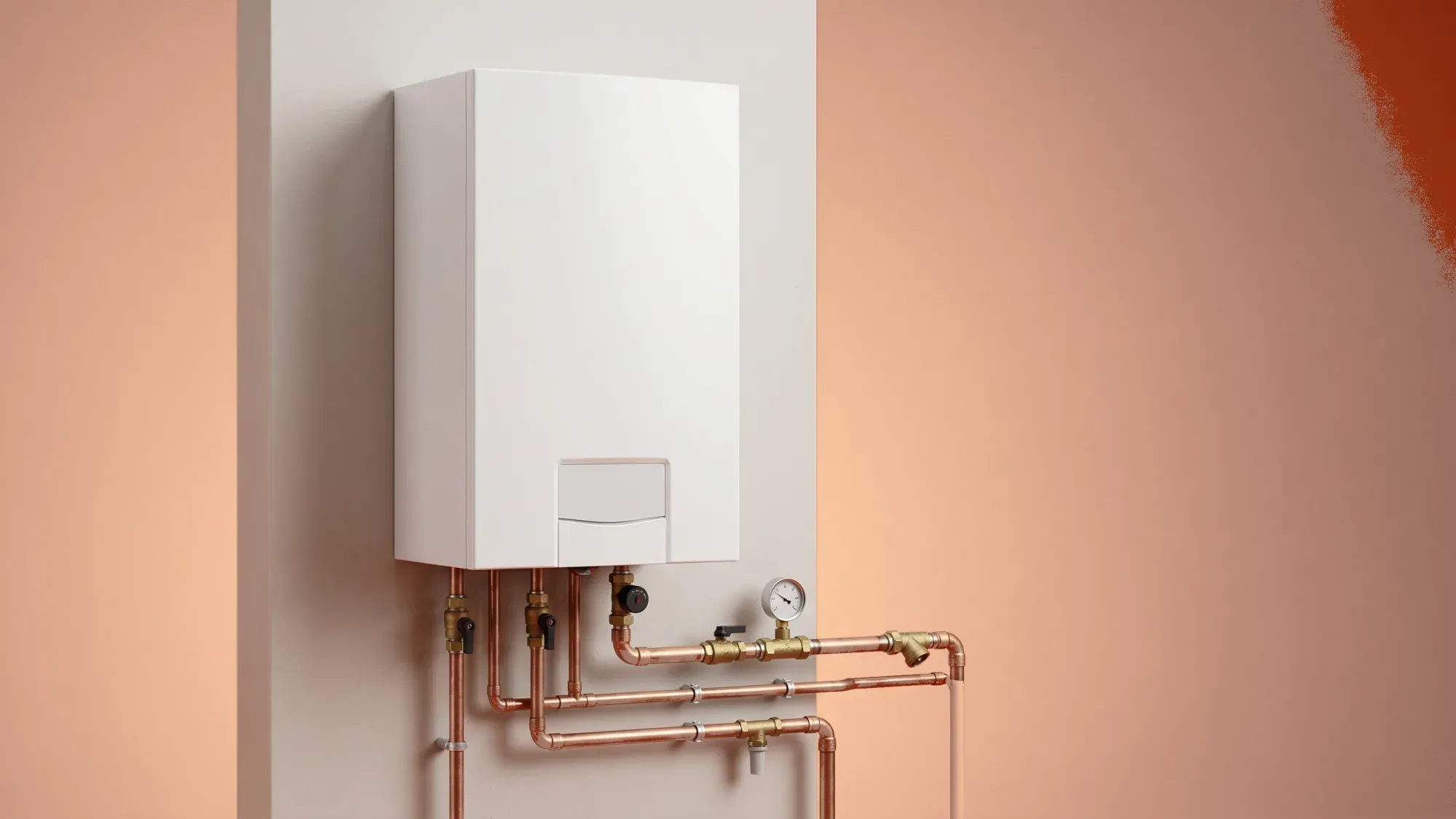
The total cost of owning an oil boiler extends far beyond its initial purchase price, encompassing unpredictable running costs and ongoing maintenance. For homeowners in off-gas-grid properties, understanding this full financial commitment is crucial for long-term budgeting and energy independence. This guide breaks down the true expenses of oil boilers and explores how they compare to more stable, modern electric heating alternatives.
Understanding oil boiler costs for off-grid homes
Oil boilers remain a common heating solution for many homes in the UK that are not connected to the national gas grid. While they provide warmth, the financial implications stretch far beyond the initial outlay for the unit itself.
Initial purchase and installation expenses
Installing a new oil boiler in the UK typically costs between £1,620 and £5,500, a figure that includes both the boiler unit and the labour involved. This range reflects the variety of boiler types and installation complexities. A straightforward replacement of an existing oil boiler, for example, will generally incur lower costs than a brand-new installation that requires significant modifications to pipework or flue systems.
Factors affecting installation price
Several elements contribute to the final price tag of an oil boiler installation. The type of boiler selected - whether a combi, system, or regular boiler - influences the cost, as does its output size, which must be appropriate for the property's heating demands. The complexity of the installation itself, including any necessary upgrades to the existing heating system or oil storage tank, can also significantly impact the overall expense.
The true running cost of an oil boiler
Beyond installation, the ongoing running costs of an oil boiler are a major consideration, often proving more volatile than homeowners anticipate.
Fuel consumption and efficiency
Modern condensing oil boilers are significantly more efficient than their older counterparts, typically achieving efficiencies of 90-93%. This means more of the fuel's energy is converted into heat for your home. Older models, however, might only be 60-70% efficient, leading to higher fuel consumption for the same amount of heat. Your home's insulation, size, and your heating habits all play a role in how much oil you will use.
The impact of oil price volatility
Unlike gas, which is subject to regulated price caps, heating oil prices are directly influenced by global market fluctuations. This makes budgeting for heating oil notoriously difficult, as prices can change rapidly due to international events, supply and demand, and even seasonal variations. This unpredictability can create significant financial anxiety for homeowners, making long-term financial planning challenging.
Estimating your annual heating oil bill
To estimate your annual heating oil bill, you need to consider your home's typical consumption and the current price of oil. While consumption varies, a larger, less insulated home will naturally use more. The average UK home uses around 2,700 kWh of electricity per year1, but heating oil consumption can be much higher, depending on the property's size and insulation. Monitoring local oil prices and buying in bulk when prices are lower can help manage costs, but the inherent volatility remains.
Maintenance, servicing, and unexpected repairs
Maintaining an oil boiler is essential for its safe and efficient operation, and these costs must be factored into the total ownership picture.
Annual servicing requirements and costs
Annual servicing is recommended for oil boilers to ensure they run efficiently and safely. A typical oil boiler service in the UK costs between £80 and £150. Regular servicing can help prevent breakdowns, maintain efficiency, and extend the lifespan of the boiler. Skipping services might save money in the short term, but it often leads to more expensive repairs down the line.
Common repairs and their expenses
Like any mechanical system, oil boilers can develop faults. Common issues might include problems with the burner, pump, or control systems. The cost of repairs can vary widely, from a minor part replacement to more significant component failures that could run into hundreds of pounds. Having an emergency fund for unexpected repairs is a sensible approach for oil boiler owners.
Lifespan and replacement considerations
An oil boiler typically has a lifespan of 10 to 15 years, though this can vary based on the boiler's quality, maintenance, and usage. As a boiler approaches the end of its life, it may become less efficient and more prone to breakdowns, increasing both running and repair costs. Planning for eventual replacement is crucial, as this is another significant expense that homeowners will face.
Total cost of ownership: oil boilers over time
When considering an oil boiler, it is vital to look beyond the immediate purchase and installation costs to understand the full financial commitment over its entire lifespan.
Calculating the long-term financial commitment
The total cost of ownership for an oil boiler encompasses the initial installation, the cumulative running costs (which are heavily influenced by volatile fuel prices), and ongoing maintenance and potential repair expenses. Over a 10-15 year lifespan, these combined costs can amount to a substantial sum, often far exceeding initial expectations. This long-term view highlights the financial burden of relying on a fossil fuel heating system.
The hidden cost of unpredictability
Beyond the quantifiable figures, there is a "hidden cost" associated with oil boilers: the anxiety and stress caused by unpredictable fuel prices. Homeowners are constantly at the mercy of global markets, making it difficult to budget and plan for one of their most significant household expenses. This scarcity mindset, driven by fear of the next price hike, contrasts sharply with the financial predictability offered by modern electric heating solutions.
Exploring alternatives to oil boilers
As the UK government commits to phasing out fossil fuel heating in off-gas-grid homes, exploring alternatives to oil boilers is becoming increasingly important for future-proofing your property.
Modern electric heating solutions: heat pumps
Modern electric heating solutions, particularly heat pumps, offer a compelling alternative to oil boilers. Air source and ground source heat pumps extract heat from the environment, providing efficient heating and hot water. While the upfront installation cost can be higher than an oil boiler, their running costs are often more predictable, especially when paired with smart tariffs and renewable electricity sources.
Government grants and incentives for low-carbon heating
To encourage the transition to greener heating, the UK government offers financial incentives. The Boiler Upgrade Scheme (BUS), for example, provides grants of up to £7,500 towards the cost of installing an air source or ground source heat pump in eligible homes in England and Wales. From 21 July 2026, households in England and Wales currently using heating oil can claim an uplifted £9,000 to move off the oil grid. These grants significantly reduce the initial investment, making low-carbon heating more accessible.
Long-term predictability and energy independence
Switching from oil to electric heating, especially with a heat pump, moves homeowners from a scarcity mindset to one of abundance. Electric heating, powered by increasingly renewable energy sources, offers greater long-term financial predictability and energy independence. With transparent control over energy usage through smart technology, homeowners can gain a clearer understanding of their costs, unlike the opaque nature of volatile oil prices. This shift aligns with the broader goal of rebuilding the energy system towards a future of abundant, clean energy.
Making an informed decision for your home
Choosing a heating system for an off-gas-grid property is a significant decision with long-term financial and environmental implications.
Comparing heating options for off-gas-grid properties
When comparing heating options, consider not just the upfront costs but the total cost of ownership over the system's lifespan. Factor in installation, fuel costs, maintenance, and the potential for government grants. While oil boilers may have a lower initial cost, the unpredictable running costs and the long-term trend away from fossil fuels make alternatives like heat pumps increasingly attractive.
Future-proofing your home's heating system
The UK government is actively encouraging the adoption of low-carbon heating systems as part of its commitment to phasing out fossil fuel heating. Investing in a modern electric heating solution now can future-proof your home, aligning it with national energy goals and potentially increasing its value. Making an informed decision today means securing long-term financial predictability and contributing to a more sustainable energy future.
References
Disclaimer
For the avoidance of doubt, this article is provided for informational purposes only and is not intended to constitute legal or financial advice. The author and/or Fuse Energy shall not be responsible for any losses arising out of any reliance on the information contained herein.