Non-renewable energy explained
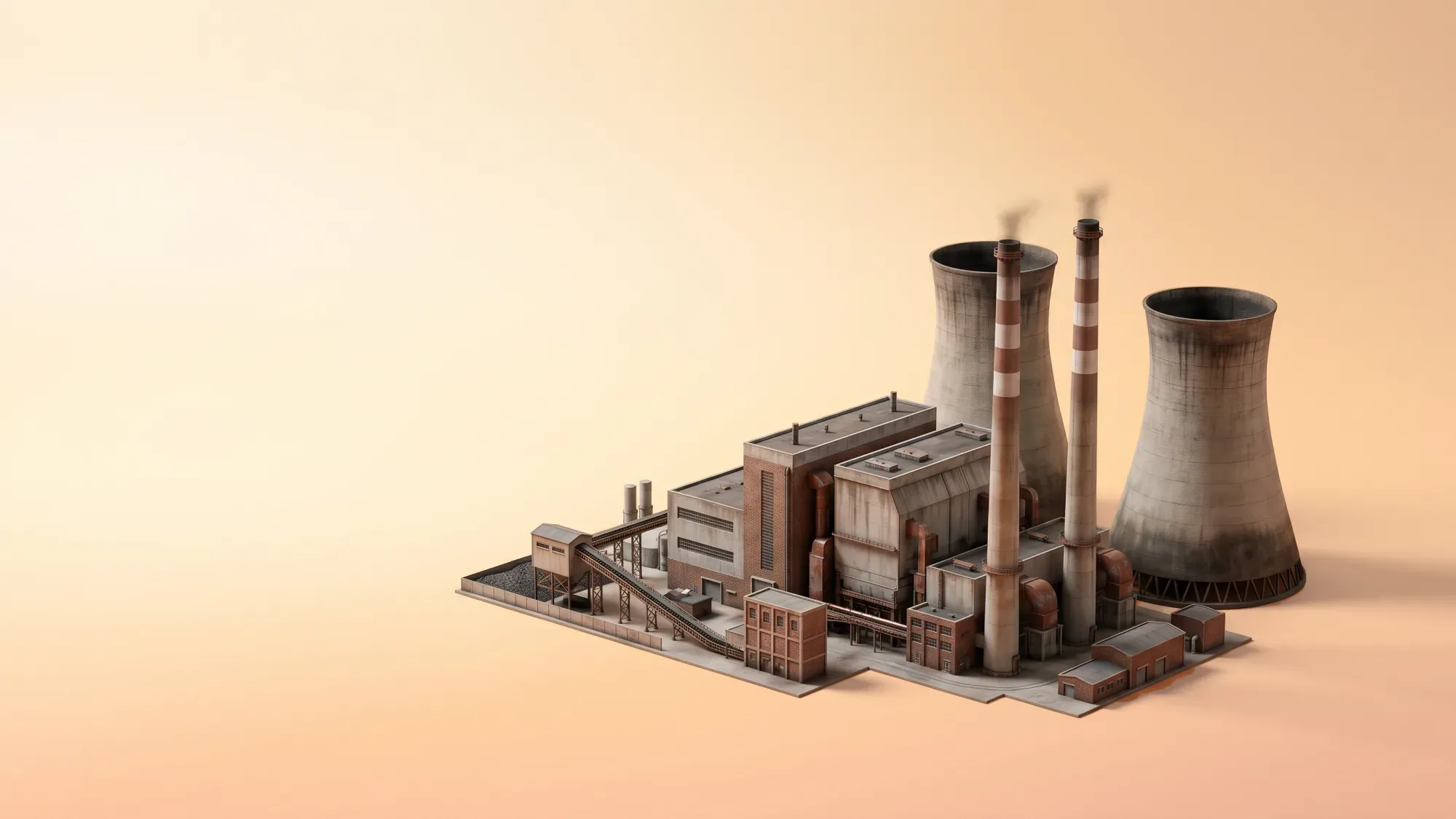
Non-renewable energy sources are finite and cannot be naturally replenished on a human timescale. They have historically powered the UK's industrial growth but also contributed to significant environmental challenges. This article explores what non-renewable energy entails, its various types, characteristics, and the environmental and societal impacts associated with its use. Understanding these energy sources is crucial as the nation transitions towards more sustainable alternatives.
Understanding non-renewable energy helps you make informed decisions about your home's energy consumption. Fuse Energy provides clear information and transparent pricing to help you manage your energy effectively. Click here to switch to Fuse Energy today.
Enter your address to get a quote and see how much you could save
What is non-renewable energy?
Defining finite resources
Non-renewable energy refers to sources that are finite and cannot be replaced as quickly as they are consumed. Once extracted and used, these resources are depleted, meaning their supply is limited and will eventually run out. This contrasts sharply with renewable energy sources, which are naturally replenished over short periods.
Key characteristics
The defining characteristic of non-renewable energy is its finite nature. These sources have formed over millions of years through geological processes, making their regeneration impossible on a human timescale. Their extraction often involves significant environmental disruption, and their combustion typically releases greenhouse gases, contributing to climate change. Despite these drawbacks, non-renewable sources have historically offered high energy density and reliability, forming the backbone of global energy systems for centuries.
Types of non-renewable energy sources
Fossil fuels: coal, oil, and natural gas
Fossil fuels are the primary non-renewable energy sources, formed from the remains of ancient plants and animals over millions of years.
- Coal: A combustible black or brownish-black sedimentary rock, coal is primarily used for electricity generation and industrial processes.
- Oil (petroleum): A viscous liquid hydrocarbon, crude oil is refined into various products like petrol, diesel, and heating oil, and is also a key component in plastics and other chemicals.
- Natural gas: A gaseous hydrocarbon mixture, natural gas is used for heating, electricity generation, and as a fuel for vehicles. It is considered the cleanest-burning fossil fuel, producing less carbon dioxide than coal or oil.
Nuclear energy
Nuclear power is another significant non-renewable energy source, relying on uranium as its fuel. Unlike fossil fuels, nuclear energy does not produce greenhouse gas emissions during operation. However, the process generates radioactive waste, which requires highly specialised and long-term storage solutions.
Formation and extraction
The geological process of fossil fuels
Fossil fuels originate from organic matter buried under layers of sediment, subjected to immense heat and pressure over geological eras. Coal forms from ancient plant material in swampy environments, while oil and natural gas derive from marine organisms in sedimentary basins. The extraction methods for these fuels vary: coal is typically mined (surface or underground), oil is drilled from reservoirs, and natural gas is extracted through drilling, sometimes requiring hydraulic fracturing (fracking).
Nuclear fission and uranium
Nuclear energy is produced through nuclear fission, where the nucleus of a heavy atom, typically uranium-235, is split into lighter nuclei. This process releases a tremendous amount of energy, which is used to heat water, produce steam, and drive turbines to generate electricity. Uranium is a naturally occurring radioactive element found in the Earth's crust, and its extraction involves mining and milling processes.
Environmental and societal impact
Greenhouse gas emissions and climate change
The burning of fossil fuels is a major contributor to greenhouse gas emissions, such as carbon dioxide, methane, and nitrous oxide. These gases trap heat in the Earth's atmosphere, leading to global warming and climate change. The consequences include rising sea levels, extreme weather events, and disruptions to ecosystems.
Pollution and habitat destruction
Beyond climate change, the extraction and combustion of fossil fuels cause various forms of pollution. Oil spills can devastate marine ecosystems, coal mining can lead to land degradation and water contamination, and air pollutants from burning fuels contribute to respiratory illnesses. These activities often result in habitat destruction, threatening biodiversity.
Resource depletion and energy security
The finite nature of non-renewable resources means they are subject to depletion. As reserves diminish, the cost of extraction can increase, and geopolitical tensions over access to remaining supplies can escalate. This raises concerns about long-term energy security and the stability of global energy markets.
What are the main environmental impacts of non-renewable energy?
The primary environmental impacts of non-renewable energy include significant greenhouse gas emissions from burning fossil fuels, leading to climate change. Extraction and processing can cause pollution of air, water, and soil, alongside habitat destruction. Nuclear energy, while low-carbon, produces long-lived radioactive waste.
Radioactive waste management
Nuclear energy produces radioactive waste, which remains hazardous for thousands of years. Safely managing and disposing of this waste is a complex and costly challenge, requiring secure, long-term storage facilities to prevent environmental contamination and protect human health.
Non-renewable energy in the UK
Historical reliance and current role
The UK has historically relied heavily on non-renewable energy sources, particularly coal during the Industrial Revolution, followed by oil and natural gas. These fuels powered the nation's economy and homes for decades. While the UK is actively transitioning towards renewables, non-renewable sources still play a role in the energy mix, providing a baseline for energy security and grid stability.
The transition to a greener grid
The UK government has set ambitious targets for reducing carbon emissions as part of its net-zero strategy, aiming to increase renewable energy generation. This transition involves phasing out coal power plants, investing in offshore wind and solar, and exploring new nuclear technologies, alongside the adoption of efficient heating solutions like an air source heat pump. The average UK home uses around 2,700 kWh of electricity per year1, and shifting this demand towards cleaner sources is a key part of the national strategy.
Non-renewable vs renewable energy
Key differences and complementary roles
The fundamental difference between non-renewable and renewable energy lies in their replenishment rates. Non-renewables are finite, while renewables (like solar energy, wind, and hydro) are continuously replenished. Renewables offer a sustainable, low-carbon future, but their intermittency - for example, no solar at night or no wind on calm days - presents challenges for grid stability. Non-renewables, particularly natural gas, often serve as a reliable backup for periods when renewable generation is low.
The future of energy supply
The future of energy supply in the UK and globally involves a significant shift towards renewable sources, complemented by smart grid technologies and energy storage solutions. This transition aims to reduce reliance on finite, polluting non-renewables, mitigate climate change, and build a more resilient and sustainable energy system. Fuse Energy is committed to this future, working to make abundant, clean energy accessible and transparent for everyone.
Managing your energy bills should be clear and easy to understand. Fuse Energy focuses on straightforward pricing, so you can see exactly what you're paying without unnecessary complexity. If you have a smart meter, you can view detailed usage data through the app or website, helping you understand how you can lower your bills. If you don't have a smart meter, Fuse Energy can upgrade your non-smart meter, completely for free. This can make it easier to track spending and make informed decisions about your energy use. Our 24/7 human support team is always on hand with fast response times whenever you need help. Click here to switch to Fuse Energy today. Find out about our mission by clicking here.
References
Disclaimer
For the avoidance of doubt, this article is provided for informational purposes only and is not intended to constitute legal or financial advice. The author and/or Fuse Energy shall not be responsible for any losses arising out of any reliance on the information contained herein.