No standing charge energy explained
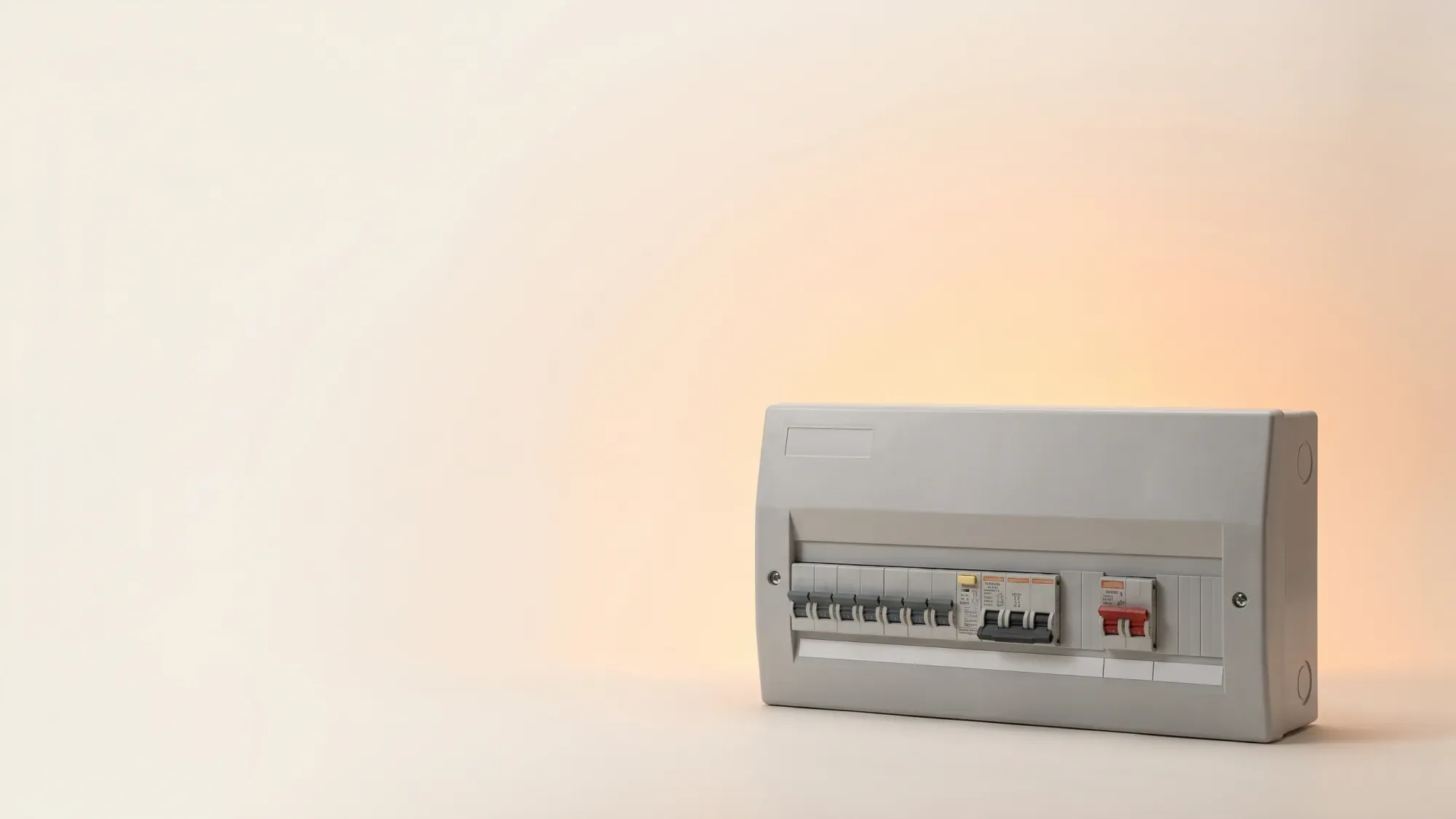
No standing charge energy tariffs eliminate the daily fixed fee on your energy bill, meaning you only pay for the electricity and gas you actually consume. While this sounds appealing, especially for budget-conscious UK residents, understanding how these tariffs work and whether they genuinely save you money requires a closer look at your energy usage and the overall cost structure.
Understanding no standing charge tariffs is key to managing your energy costs. Fuse Energy offers transparent pricing and competitive rates, making it easy to see how you can take control of your energy bills. Click here to switch to Fuse Energy today.
Enter your address to get a quote and see how much you could save
What is an energy standing charge?
An energy standing charge is a daily fixed fee applied to your electricity and gas bills, regardless of how much energy you use. This charge covers the fixed costs associated with supplying energy to your property.
The purpose of the daily fee
The daily fee ensures that energy suppliers can recover the costs of operating and maintaining the energy network, even if a customer uses very little or no energy on a particular day. It contributes to the reliability and availability of your energy supply, covering everything from the wires and pipes to customer service operations.
How standing charges are calculated
Standing charges are typically calculated in pence per day and are applied to both electricity and gas supplies. Ofgem, the UK's energy regulator, sets a maximum unit rate and standing charge for standard variable tariffs under its energy price cap, which is updated quarterly. This cap ensures there is a limit to what suppliers can charge for these fixed daily costs.
How no standing charge tariffs work
No standing charge tariffs fundamentally change how your energy bill is structured by removing the daily fixed fee. This means that if you use no energy on a given day, you pay nothing for that day's supply.
Unit rates vs standing charges
With a standard energy tariff, your bill comprises two main components: a unit rate (cost per kilowatt-hour, kWh) for the energy you consume and a daily standing charge. No standing charge tariffs eliminate the latter, meaning your entire bill is based solely on your energy consumption multiplied by the unit rate.
Key differences from standard tariffs
The most significant difference is the absence of the fixed daily cost. However, this often comes with a trade-off: suppliers typically compensate for the lack of a standing charge by setting higher unit rates for electricity and gas. This means that while your fixed costs are zero, the cost of each unit of energy you use will likely be more expensive than on a tariff with a standing charge.
Benefits and drawbacks of no standing charge tariffs
No standing charge tariffs can be a good fit for specific energy usage patterns, but they are not universally the cheapest option.
Who benefits most?
These tariffs are particularly beneficial for very low energy users or properties with intermittent occupancy. For example, a holiday home that is only used a few weeks a year, or a household that is frequently away, could see savings by not paying a daily fee when no energy is being consumed. Similarly, individuals with extremely low consumption might find their overall bill reduced, as their usage might not be high enough to offset a daily standing charge.
Are no standing charge tariffs always cheaper?
No, not always. While they eliminate the daily fixed fee, suppliers typically offset this by charging higher unit rates for electricity and gas. It is crucial to compare the total annual cost, considering both unit rates and your actual energy consumption, to determine if a no standing charge tariff genuinely saves you money.
Potential disadvantages
The primary pitfall is assuming that no standing charge automatically translates to a cheaper overall bill. For average or high energy users, the higher unit rates associated with these tariffs can quickly lead to a more expensive total bill than a tariff that includes a standing charge but offers lower unit rates. Overlooking these higher unit rates is a common mistake that can result in unexpected costs.
Comparing tariffs: beyond the standing charge
To determine if a no standing charge tariff is right for you, it is essential to look beyond the headline and compare the total annual cost of different options.
Calculating your total energy cost
The most accurate way to compare tariffs is to calculate your estimated total annual energy cost. For tariffs with a standing charge, this involves multiplying your estimated annual energy usage (in kWh) by the unit rate, then adding the total annual standing charge (daily standing charge x 365 days). For no standing charge tariffs, you simply multiply your estimated annual usage by the unit rate.
The average UK home uses around 2,500 kWh of electricity per year and 9,500 kWh of gas per year, according to Ofgem's typical domestic consumption values (TDCVs) effective from 1 July 20261. Use your own consumption figures for the most accurate comparison.
Factors to consider for your usage
Your actual energy usage patterns are critical. If your consumption is consistently low, or if your property is often vacant, a no standing charge tariff might be cost-effective. However, if you have typical or high energy usage, a tariff with a standing charge and lower unit rates will likely offer better overall value. Always compare the total annual cost based on your household's specific consumption. For example, understanding the air source heat pump running cost or the impact of an air conditioning installation can significantly influence your overall energy consumption.
The regulatory landscape and future of standing charges
Ofgem plays a central role in regulating the UK energy market, including policies around standing charges.
Ofgem's role and current stance
Ofgem is the UK's energy regulator, responsible for overseeing markets and protecting consumers. It sets the parameters for the energy price cap, which includes maximum unit rates and standing charges for standard variable tariffs. These rates are reviewed and updated quarterly, typically on 1 January, 1 April, 1 July, and 1 October.
Industry trends and policy discussions
There is ongoing regulatory pressure and discussion regarding the reduction or abolition of standing charges. Ofgem has acknowledged concerns about fairness, particularly for low energy users, and continues to explore options to make energy bills more equitable. These discussions reflect a broader industry trend towards potentially reforming how fixed costs are recovered from consumers.
Finding the best value for your energy
When searching for the best energy deal, focusing solely on the absence of a standing charge can be misleading. The true value lies in the total cost and the overall service you receive.
What to look for in an energy supplier
Look for suppliers that offer competitive unit rates and transparent pricing, allowing you to clearly understand how your bill is calculated. A supplier that provides tools and insights to help you manage your consumption can also add significant value, empowering you to reduce your total energy costs.
Fuse Energy's approach to overall value
While Fuse Energy tariffs include a standing charge, our focus is on delivering overall value through competitive unit rates and transparent control. Our digital-first approach and intuitive app aim to provide customers with transparent usage information and support, helping them understand their consumption and manage their total bill. Fuse aims to provide competitive, clean energy, ensuring that even with a standing charge, our tariffs are designed for overall cost-effectiveness for budget-conscious UK residents. Fuse Energy does not currently offer tariffs with zero standing charges; all Fuse tariffs include a daily standing charge.
Managing your energy bills should be clear and easy to understand. Fuse Energy focuses on straightforward pricing, so you can see exactly what you are paying without unnecessary complexity. If you have a smart meter, you can view detailed usage data through the app or website, helping you understand how you can lower your bills. Our 24/7 human support team is always on hand with fast response times whenever you need help. Click here to switch to Fuse Energy today. Find out about our mission to make energy abundant by clicking here.
References
Disclaimer
For the avoidance of doubt, this article is provided for informational purposes only and is not intended to constitute legal or financial advice. The author and/or Fuse Energy shall not be responsible for any losses arising out of any reliance on the information contained herein.