Moving your gas meter
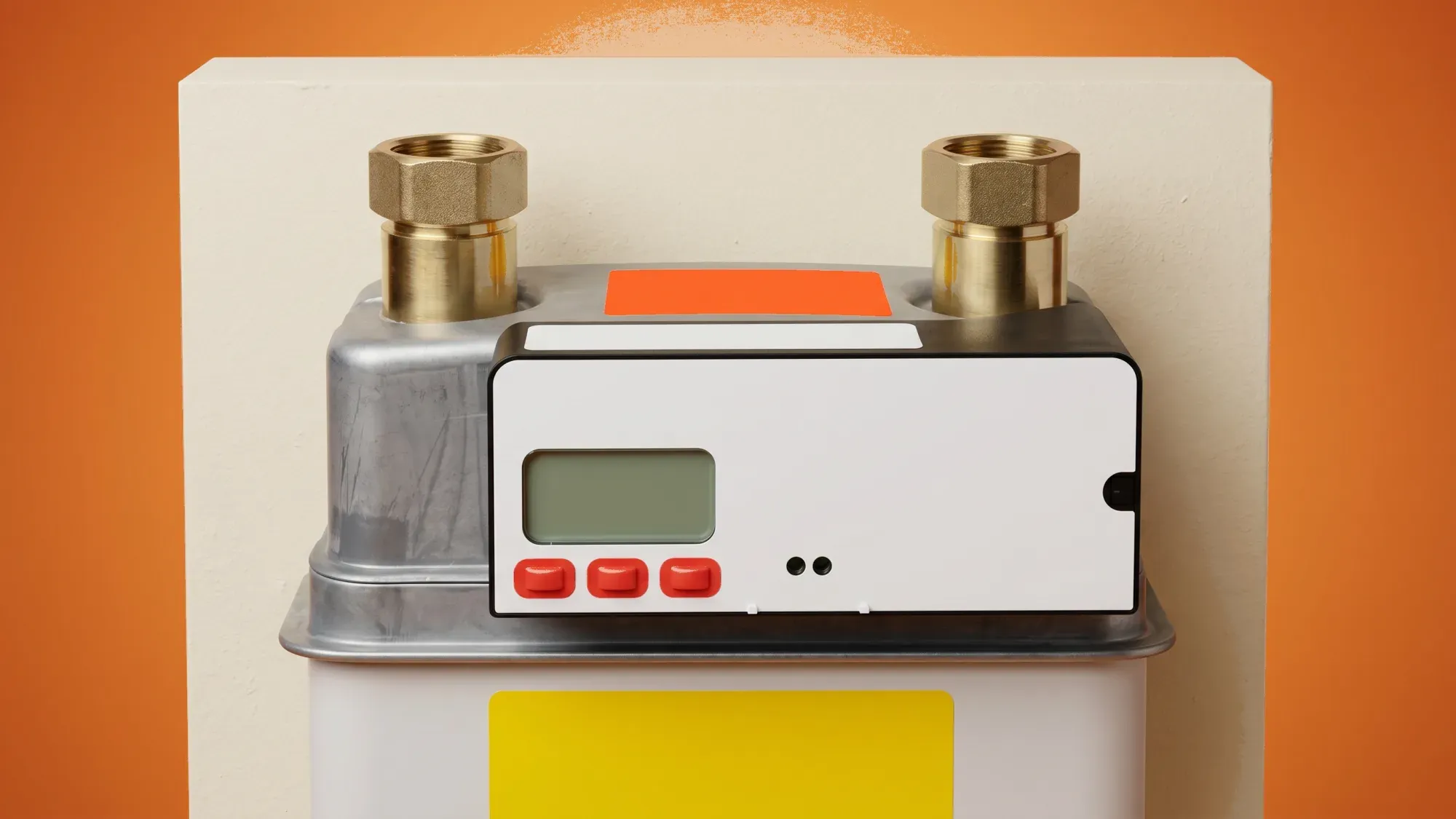
Relocating a gas meter in your home can seem like a significant undertaking, often considered during renovation projects. However, a well-planned move can enhance your home's functionality and aesthetics. This article provides clear information on the process, regulations, and potential costs involved, helping you make informed decisions for your home.
If you are considering a home renovation that involves moving your gas meter, understanding the process is key. Fuse Energy coordinates gas meter relocation services and offers 24/7 human support to help you understand your energy options and make informed choices. You can also switch to Fuse Energy for straightforward energy management by clicking here.
Enter your address to get a quote and see how much you could save
Understanding gas meter relocation
Moving a gas meter is a regulated process involving specific safety protocols and professional expertise. It is not a DIY job; only qualified individuals can carry out such work.
Why homeowners move gas meters
Homeowners typically consider moving a gas meter for several reasons, often linked to renovation plans. Common motivations include reconfiguring a home's layout, freeing up valuable internal space, or improving accessibility. Sometimes, it is about addressing safety concerns related to the current positioning or ensuring the meter meets current regulations. For example, moving an indoor meter outside can improve property aesthetics and provide easier access for readings and maintenance.
Key parties involved: network operators and energy suppliers
Understanding who does what is crucial. In the UK, gas work, including meter relocation, must only be carried out by Gas Safe registered engineers or authorised network operators.
- Gas network operators (GNOs): These companies own and run the gas pipes that bring energy to your home. They are responsible for the gas network up to the meter. If you need to move your meter a significant distance or from inside to outside, you will generally need to contact your local Gas Network Operator (also known as a Gas Transporter). Examples include Cadent, SGN, and Northern Gas Networks.
- Meter asset managers (MAMs): These are industry-appointed parties responsible for installing, maintaining, replacing, and removing gas meters, and for updating gas industry systems when details change. Only the appointed MAM for a supply is legally permitted to operate on that gas meter.
- Energy suppliers: Your energy supplier, like Fuse Energy, sells you the gas you use. All meter operations are supplier-coordinated activities. Your supplier is your first point of contact for initiating the process and can advise on who your Gas Network Operator is.
- Gas safe registered engineers: These are legally authorised professionals qualified to install, inspect, service, and repair gas appliances and systems, including gas pipework. They may be involved in internal pipework modifications required as part of a meter relocation.
The step-by-step process for moving your gas meter
Relocating a gas meter involves a structured process to ensure safety and compliance.
Initial assessment and planning
Before any work begins, assess why you need to move the meter and identify your preferred new location. Consider factors such as accessibility, protection from damage, and ventilation. You will need to contact your current energy supplier to inform them of your intention to move the meter. They will assess whether they can support the move or if your Gas Network Operator needs to be involved.
Obtaining quotes and approvals
Once the initial assessment is complete, the relevant party will provide a quote detailing the feasibility and timescales for the work. For larger moves, your Gas Network Operator will provide a quotation. It is advisable to obtain multiple quotes for any associated internal pipework modifications from Gas Safe registered engineers.
Scheduling and execution of work
After approving the plans and accepting the quote, the work will be scheduled. The gas supply may need to be temporarily disconnected during the relocation. The actual relocation involves safely disconnecting the old setup, rerouting pipes, installing the meter in its new position (often with a protective box if outdoors), and thorough testing for leaks and pressure.
Costs involved in gas meter relocation
Factors influencing the cost to move a gas meter
The cost to move a gas meter can vary significantly, depending on the complexity of the job. Several factors impact the overall cost:
- Distance of the move: Moving a meter a short distance is typically less expensive than a larger relocation.
- Location (internal vs external): Moving a meter from inside to outside is a common request but can be more costly due to additional materials like external meter boxes and longer pipe runs.
- Complexity of work: This includes whether new pipework is required, if the ground needs digging, or if existing structures need altering.
- Making good: Costs for plastering, decorating, or brickwork to repair areas affected by the work should also be factored in.
- Labour: The total labour cost will depend on the job's complexity.
Who pays for gas meter relocation?
The cost, responsibility, and feasibility of gas meter relocation depend on distance, complexity, and network involvement. Your energy supplier can provide details on their specific charges for meter relocation. In certain circumstances, such as if you are on the Priority Services Register and need to move a prepayment meter for accessibility, your supplier may assist with the relocation.
Safety, regulations, and gas safe registration
Gas work carries inherent risks, making adherence to safety regulations paramount.
The importance of gas safe registered engineers
All gas work in the UK, including meter relocation, must be carried out by a Gas Safe registered engineer. It is illegal and highly dangerous to attempt to move a gas meter yourself. Gas Safe registration ensures that the engineer is legally authorised and competent to work on gas appliances and systems, having undergone necessary training and testing. This protects you from potential hazards like gas leaks, carbon monoxide poisoning, fires, and explosions.
Regulatory requirements and building control
The use and performance of gas meters are governed by legislation such as the Gas Act 1986 and the Gas Safety (Installation and Use) Regulations 1998. Ofgem, the energy regulator, approves meter types for billing purposes. Building Regulations may also apply to new pipework or structural changes required for meter relocation, particularly concerning ventilation and fire safety. For instance, you must not build over a gas pipe without consulting your Gas Network Operator due to safety risks.
Avoiding common pitfalls and unsafe practices
The biggest pitfall is attempting DIY gas work or hiring unqualified individuals. Always verify an engineer's Gas Safe registration by checking their ID card, which shows their photograph, registration number, and the types of gas work they are qualified to undertake. Failing to understand regulatory requirements or underestimating the total cost by not factoring in all associated works are also common mistakes.
Integrating meter relocation into your renovation strategy
Planning for future home energy upgrades
By strategically repositioning your gas meter, you can create a more adaptable space for future energy upgrades. This might involve freeing up space for a heat pump installation, optimising the layout for solar panel integration, or preparing for electric vehicle charging infrastructure. Thinking ahead during your renovation ensures that your home's energy setup is future-proofed, providing you with greater flexibility and control over your energy consumption.
Optimising layout for efficiency and aesthetics
A well-planned meter relocation can significantly improve your home's aesthetics and functional efficiency. Moving an unsightly indoor meter to a discreet external location can enhance internal living spaces. Conversely, ensuring an outdoor meter is accessible and protected can streamline maintenance. This proactive planning allows you to align your meter move with broader renovation goals, creating a home layout that supports both your current needs and future energy aspirations.
Managing your home's energy should be simple and transparent. Fuse Energy offers clear pricing, real-time usage data through our app, and 24/7 human customer support to help you stay on top of your bills. Switching to Fuse is quick and easy, allowing you to take control of your energy from day one. Click here to switch to Fuse Energy today and discover a smarter way to manage your home's energy. You can also learn more about our mission to power a sustainable future by clicking here.
Disclaimer
For the avoidance of doubt, this article is provided for informational purposes only and is not intended to constitute legal or financial advice. The author and/or Fuse Energy shall not be responsible for any losses arising out of any reliance on the information contained herein.