Moving a gas meter: process, costs, and safety explained
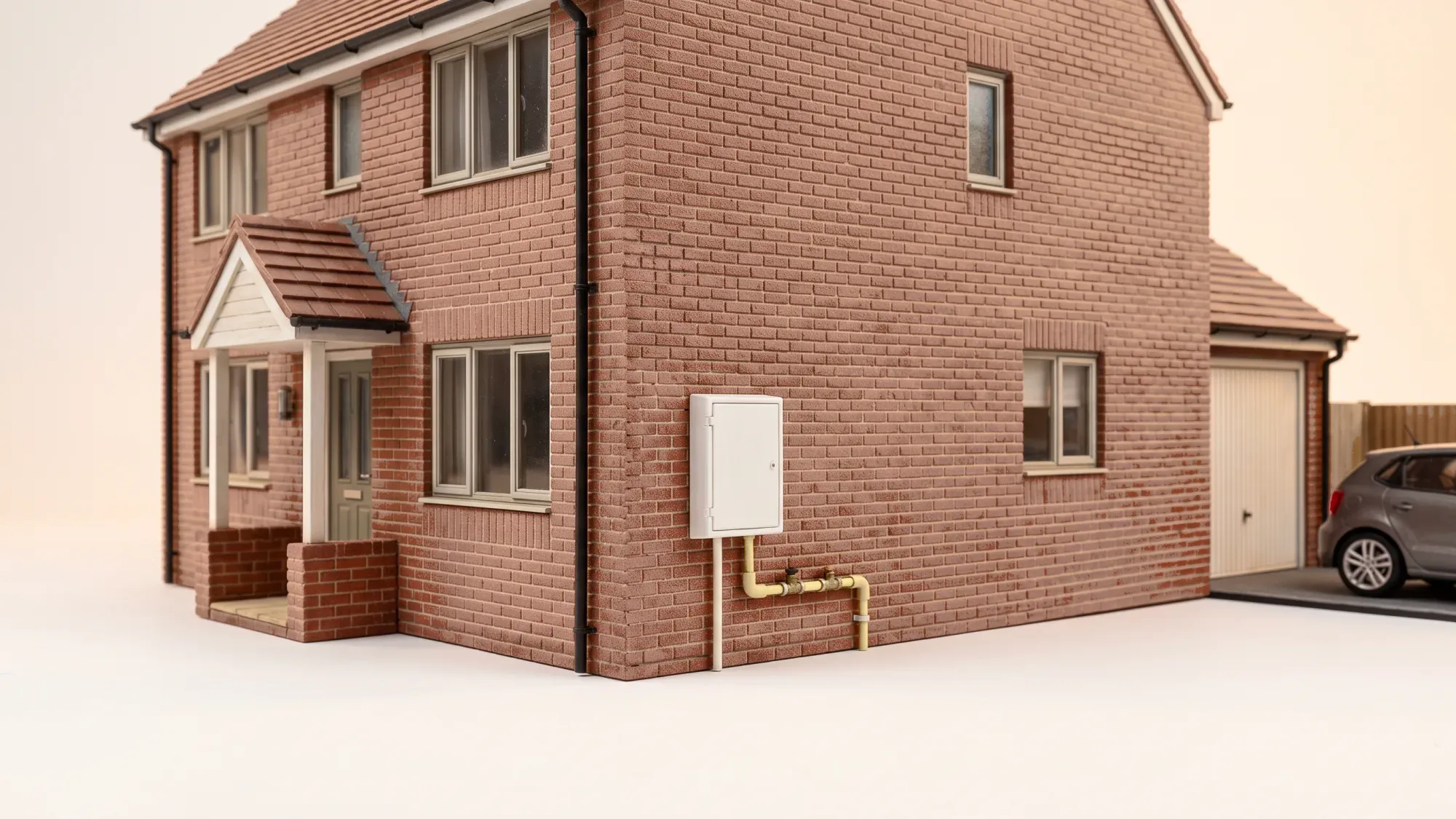
Relocating your gas meter is a significant undertaking for any UK homeowner, often driven by renovation plans, aesthetic improvements, or safety concerns. This guide will demystify the process, outline the costs involved, and explain the crucial safety and regulatory requirements for moving a gas meter in the UK.
Even when you are undertaking a significant project like moving your gas meter, managing your home energy should be simple. Fuse Energy offers clear pricing and support for your energy supply, helping you stay on top of your bills. Click here to switch to Fuse Energy today.
Enter your address to get a quote and see how much you could save
Understanding gas meter relocation
Moving a gas meter is a complex task that requires careful planning and professional execution. It is not a DIY job, but with the right information, you can navigate the process confidently.
Why homeowners move gas meters
Homeowners typically consider moving a gas meter for several practical reasons, often linked to property improvements or safety. Common motivations include reconfiguring a home's layout to create more space, improving aesthetics by moving an unsightly meter, or addressing safety concerns related to the current positioning. For instance, relocating an indoor gas meter to an external wall can free up valuable internal space and provide easier access for maintenance and readings.
Key considerations before you start
Before embarking on a gas meter relocation, it is essential to understand that this work must only be carried out by Gas Safe registered engineers. Attempting to move the meter or associated pipework yourself is dangerous and illegal. You also need to consider the potential costs and the timeline, as these can vary significantly and impact your overall renovation schedule. Failing to inform your energy supplier or Gas Network Operator (GNO) at the outset is a common pitfall that can lead to delays and complications.
The gas meter relocation process
Moving a gas meter involves a structured process to ensure safety and compliance. Here is a step-by-step breakdown.
Initial assessment and planning
The first step is to determine the need and feasibility of moving your gas meter. Consider where you want the meter to be relocated and whether this new position is practical and compliant with regulations. This initial assessment helps define the scope of work and informs your discussions with professionals.
Contacting your energy supplier and GNO
Your energy supplier is usually your first point of contact for gas meter relocation. They can provide initial guidance and help you identify your GNO. GNOs are responsible for the gas supply pipe up to the meter and often for the meter itself. They will assess the proposed relocation and provide a quote for their part of the work, which typically involves disconnecting and reconnecting the gas supply.
Engaging a gas safe registered engineer
Any internal pipework alterations required for the new meter position must be carried out by a Gas Safe registered engineer. These professionals are legally permitted to work on gas installations in the UK. They will ensure that the new pipework is installed safely and to current standards. It is crucial to obtain quotes from several engineers and ensure they are Gas Safe registered before engaging their services.
Coordination and completion
Coordinate the gas meter relocation work with your broader renovation schedule to minimise disruption. This involves liaising between your GNO and your Gas Safe registered engineer to ensure all work is completed in sequence. Once the work is done, ensure all gas work is certified and compliant with current UK regulations. This certification is vital for safety and for any future property transactions.
Costs associated with moving a gas meter
The cost of moving a gas meter can vary significantly, making it one of the primary concerns for homeowners.
Factors influencing cost
Several factors influence the total cost of moving a gas meter. These include the complexity of the job, the distance the meter needs to be moved, and whether the relocation is from an internal to an external position or vice versa. The amount of new pipework required, the ease of access to the existing meter, and any necessary structural changes to your property will also impact the price.
Typical cost ranges
While specific costs cannot be guaranteed, as they vary significantly by project and location, you should anticipate a substantial expense. Quotes will typically cover the GNO's charges for disconnecting and reconnecting the supply, as well as the Gas Safe engineer's fees for internal pipework. Fuse Energy's charge for changing the position of a gas meter is £240 including VAT, but where the move needs your GNO to relocate the emergency control valve, the overall cost of relocation will involve other parties and their fees.
Who is responsible for the gas meter?
GNOs are typically responsible for the gas supply pipe leading up to the meter, and often own the meter itself. Homeowners are responsible for the pipework from the meter into their property and for ensuring all gas installations comply with safety regulations.
Potential hidden fees
Be aware of potential hidden fees. These might include charges for site surveys, additional pipework if unforeseen issues arise, or costs associated with making good any disruption to walls or flooring. Always request a detailed breakdown of costs from both your GNO and your Gas Safe engineer to avoid unexpected expenses.
Safety and regulatory requirements
Safety and regulatory compliance are paramount when dealing with gas installations.
The role of gas safe registration
All gas work, including the relocation of a gas meter, must be carried out by a Gas Safe registered engineer. This is a legal requirement in the UK, ensuring that professionals have the necessary qualifications and competence to work safely with gas. Always ask to see an engineer's Gas Safe ID card before any work begins.
Building regulations and compliance
Homeowners must ensure that any structural changes related to meter relocation comply with relevant Building Regulations. This might involve alterations to walls or foundations to accommodate the new meter position. Your Gas Safe engineer can advise on the gas-specific regulations, but you may need to consult with a building control officer for broader structural changes. Ofgem, the energy regulator, approves meter types for billing purposes.
Your responsibilities as a homeowner
As a homeowner, your primary responsibility is to ensure that all gas work on your property is carried out safely and legally. This means engaging only Gas Safe registered professionals, obtaining all necessary certifications, and ensuring compliance with all regulations. You cannot undertake any part of the gas work yourself.
Choosing the right professionals
Navigating the distinct roles of various professionals is key to a smooth gas meter relocation.
Gas Network operators (GNOs)
GNOs manage the gas infrastructure in specific regions of the UK. They are responsible for the gas supply pipe up to your meter and will handle the disconnection and reconnection of your gas supply during a relocation. You cannot choose your GNO; it is determined by your geographical location. You can find your GNO using the Energy Networks Association's postcode tool.
Independent gas safe engineers
Independent Gas Safe registered engineers are crucial for any internal pipework modifications. They will install new pipes, connect your appliances, and ensure the entire internal system is safe and compliant. Always verify their Gas Safe registration online before hiring.
Your energy supplier's role
Your energy supplier acts as your initial point of contact and can help you understand the process and connect you with your GNO. While they do not perform the physical relocation, they are vital for administrative coordination and ensuring your account reflects any changes to your gas supply.
Integrating meter relocation into your renovation
Planning the gas meter relocation effectively can prevent delays and ensure your renovation progresses smoothly.
Planning for minimal disruption
To minimise disruption, plan the gas meter relocation early in your renovation project. Coordinate closely with your builders, GNO, and Gas Safe engineer to schedule the work at an optimal time. This might mean having the gas disconnected and reconnected during a phase of your renovation where gas appliances are not critical.
Future-proofing your home
Relocating your gas meter can be an opportunity to future-proof your home. Moving it to a more accessible or less intrusive location can improve the long-term aesthetics and functionality of your property. It also ensures your gas installation meets current safety standards, providing peace of mind for years to come.
While moving your gas meter involves several specialist parties, managing your energy supply can be much simpler. Fuse Energy offers clear pricing, real-time usage data through our app, and 24/7 human customer support, making it easier to understand and control your energy bills. Switching to Fuse is quick and straightforward, allowing you to focus on your home improvements with peace of mind. Click here to switch to Fuse Energy today. You can also find out more about our mission to make energy fair and transparent by clicking here.
Disclaimer
For the avoidance of doubt, this article is provided for informational purposes only and is not intended to constitute legal or financial advice. The author and/or Fuse Energy shall not be responsible for any losses arising out of any reliance on the information contained herein.